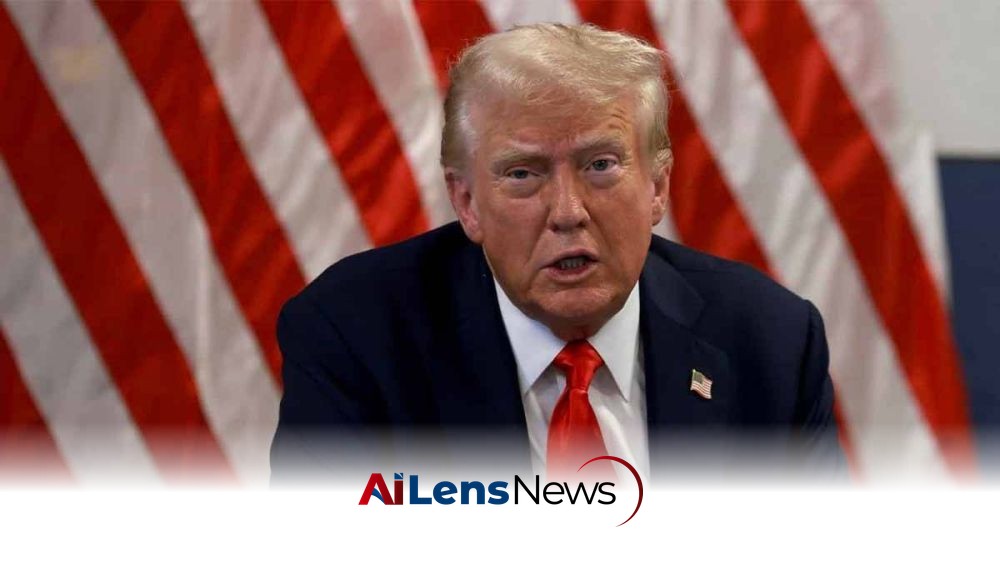


US President Donald Trump stated that Iran is eager for discussions, but emphasized that talks depend on Tehran's willingness for substantial negotiations.
Doha, Qatar Jul 22, 2026 ALN: US President Donald Trump has affirmed that Iran wants to hold talks with the United States but stressed that starting talks depends on Tehran's readiness to hold what he described as "meaningful talks."
In a world marked by geopolitical tensions, the relationship between the United States and Iran has been a focal point of international diplomacy. The two nations have a long and complex history that has been characterized by periods of confrontation and limited dialogue. The tensions have escalated significantly since the United States withdrew from the Joint Comprehensive Plan of Action (JCPOA) in 2018, a deal aimed at curbing Iran's nuclear ambitions in exchange for sanctions relief. This withdrawal led to the re-imposition of stringent economic sanctions on Iran, which has had profound implications for its economy and its relations with other countries.
The JCPOA, often referred to as the Iran nuclear deal, was a landmark agreement reached in 2015 between Iran and six world powers, including the United States, the United Kingdom, France, Germany, Russia, and China. The deal was designed to limit Iran's nuclear program in exchange for the lifting of economic sanctions that had crippled its economy. However, following the US withdrawal from the agreement in May 2018, Iran began to gradually step back from its commitments under the deal, leading to increased tensions and fears of a potential military confrontation.
Speaking to reporters on Tuesday, Trump stated that the Iranians "want to meet desperately," but he isn't interested in meeting unless they are ready for meaningful talks. This statement underscores a shift in the diplomatic landscape, where the United States appears to be adopting a more conditional approach to engagement with Iran. The term "meaningful talks" suggests that Trump is looking for discussions that would lead to tangible outcomes, particularly concerning Iran's nuclear program, its regional influence, and its support for proxy groups throughout the Middle East.
The notion of meaningful dialogue is critical in international relations, especially with a country like Iran, which has been accused of destabilizing actions in the region. Iran's support for militant groups such as Hezbollah in Lebanon and various factions in Iraq and Syria has long been a point of contention for the United States and its allies. The Trump administration has consistently indicated that any negotiations would need to address Iran's ballistic missile program and its involvement in regional conflicts, which are seen as threats to US interests and allies in the region, particularly Israel and Saudi Arabia.
In response to a question about Houthi threats to navigation in the Red Sea, Trump mentioned that so far, that has not happened, adding that he thinks if something like that happens, he will have to deal with it at that time. This comment reflects the ongoing concerns about maritime security in the Red Sea, a vital shipping route that is crucial for global trade. The Houthis, a Yemeni rebel group backed by Iran, have been involved in a protracted conflict in Yemen and have occasionally threatened shipping lanes in the region, raising alarms among international shipping companies and governments. The Red Sea is a key transit route for oil and goods, and any disruption could have significant economic repercussions.
Trump further noted that he hasn't had any problem with the Houthis recently, and they have not had any problem with the US for a long period of time, including during this conflict. This statement may indicate a temporary easing of hostilities or a strategic decision to focus on other pressing issues. However, the situation in Yemen remains complex, with a humanitarian crisis unfolding as a result of the ongoing conflict. The United Nations has described the situation in Yemen as one of the worst humanitarian crises in the world, with millions of people in need of assistance. The conflict has resulted in widespread famine, disease, and displacement, drawing international condemnation and calls for a ceasefire and humanitarian aid access.
The implications of Trump's statements are multifaceted. On one hand, his willingness to engage in talks may signal an openness to diplomacy, which could lead to a de-escalation of tensions between the two nations. On the other hand, the insistence on "meaningful talks" could set a high bar for negotiations, potentially complicating efforts to find common ground. This approach may also reflect Trump's broader foreign policy strategy, which has emphasized a preference for bilateral negotiations over multilateral agreements. Such a strategy could redefine how the US engages with not only Iran but also other nations in similar contentious relationships.
Moreover, the dynamics of US-Iran relations are not only influenced by the actions and statements of the two countries but also by the reactions of other regional and global players. Countries such as Russia and China have shown interest in maintaining relations with Iran, particularly in the context of economic cooperation and energy trade. For instance, China has been a significant buyer of Iranian oil, which has helped Iran mitigate some impacts of US sanctions. The potential for a renewed dialogue between the US and Iran could have ripple effects throughout the region, impacting alliances and the balance of power. A shift in US policy could embolden Iran's regional adversaries or lead to a recalibration of alliances in the Middle East.
The call for meaningful talks also raises questions about the role of international organizations and allies in facilitating dialogue. European nations, which played a significant role in negotiating the JCPOA, have expressed a desire to see a return to diplomatic engagement with Iran. The European Union has been working to keep the channels of communication open, despite the challenges posed by US sanctions and Iran's subsequent actions to reduce its compliance with the nuclear deal. The EU's involvement could be crucial in mediating discussions, as they have maintained a degree of economic engagement with Iran that the US has not.
In conclusion, President Trump's remarks about Iran's readiness for talks highlight the ongoing complexity of US-Iran relations. As both nations navigate their respective interests and the broader geopolitical landscape, the prospect of meaningful dialogue remains uncertain. The international community will be watching closely to see how these developments unfold and whether they will lead to a more stable and peaceful resolution to the longstanding tensions between the United States and Iran. The stakes are high, as a failure to engage in productive dialogue could lead to further escalation, while successful negotiations might pave the way for a new chapter in US-Iran relations, potentially reshaping the geopolitical landscape of the Middle East.
To learn more about the latest developments in Elections, stay updated with our exclusive reports and analyses on AiLensNews.

