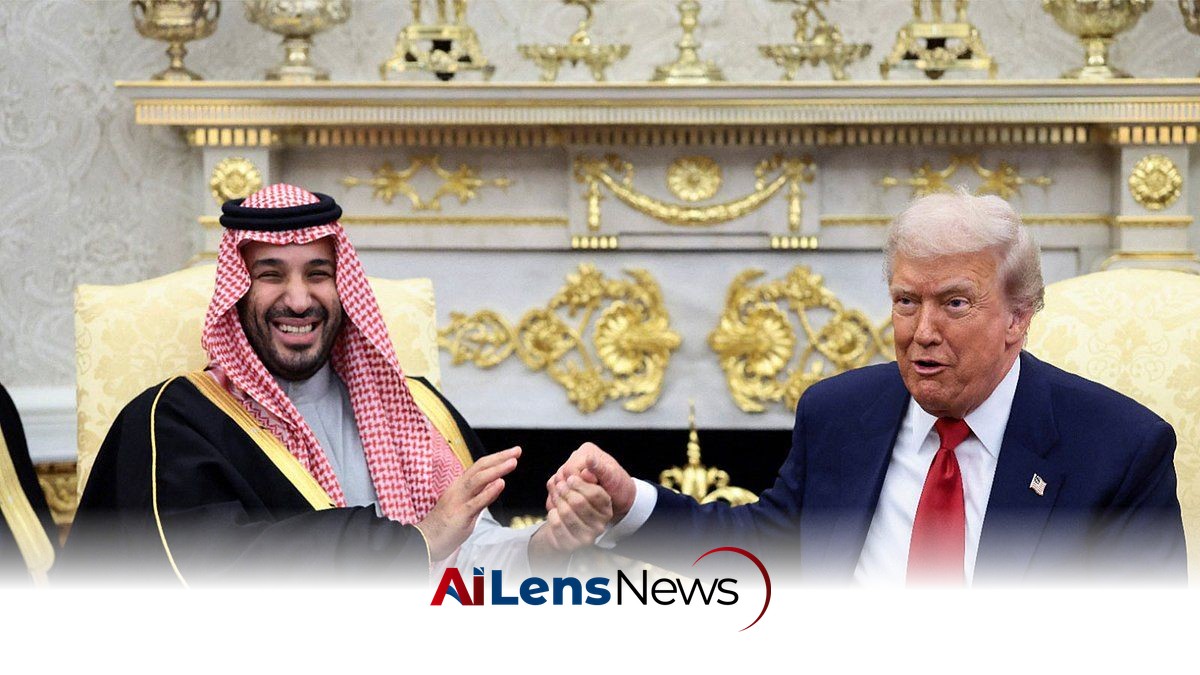


The US President's approval of a civilian nuclear deal with Saudi Arabia raises concerns over nonproliferation standards in the Middle East.
Doha, Qatar Jul 23, 2026 ALN: US President Donald Trump has approved a landmark civilian nuclear cooperation agreement with Saudi Arabia, clearing the way for US companies to help develop the kingdom's civilian nuclear energy programme. This significant move marks a pivotal moment in US-Saudi relations, particularly in the context of energy security and geopolitical dynamics in the Middle East.
The US Department of Energy announced on a Wednesday that the two countries had signed a so-called "123 Agreement," a legal framework required under the US Atomic Energy Act for civilian nuclear cooperation. This framework is essential for establishing the parameters of nuclear energy collaboration between the two nations, ensuring that both parties adhere to international standards and protocols concerning nuclear safety and nonproliferation.
Following the signing, the accord now heads to Congress for a mandatory review before it can take effect. This step is crucial as it allows lawmakers to scrutinize the agreement and assess its implications for national and regional security. Congressional debate over nuclear proliferation and security in the Middle East is expected, particularly given the sensitive nature of nuclear technology and the potential risks associated with its proliferation.
The 30-year deal would permit American companies to supply nuclear technology, equipment, and expertise for Saudi Arabia's planned civilian reactor programme. This initiative aligns with Saudi Arabia's broader ambitions to diversify its energy sources, reduce reliance on fossil fuels, and meet the rapidly growing electricity demand driven by its Vision 2030 modernization programme. This vision aims to transform the Saudi economy and reduce its dependence on oil revenues, which have historically been the backbone of its economy.
However, the agreement has sparked controversy due to its provisions regarding uranium enrichment. Unlike some previous U.S. nuclear cooperation agreements, the Saudi deal does not require Riyadh to adopt the so-called "gold standard" of nonproliferation, which mandates that countries permanently renounce uranium enrichment and spent-fuel reprocessing. Instead, officials indicated that Saudi Arabia could eventually enrich uranium for fuel used in civilian nuclear reactors under agreed safeguards.
This provision has raised concerns among arms-control advocates, as enrichment technology can theoretically be repurposed to produce material suitable for nuclear weapons if diverted from peaceful uses. Critics argue that this loophole could lead to the proliferation of nuclear weapons capabilities in a region already fraught with tensions. The Trump administration has countered these concerns by asserting that the agreement contains robust safeguards designed to prevent the misuse of nuclear technology.
Energy Secretary Chris Wright emphasized the administration's commitment to nuclear safety and nonproliferation, stating, "The agreements uphold the highest standards of nuclear safety and nonproliferation." This assertion aims to reassure both domestic and international audiences about the integrity of the agreement and its alignment with broader nonproliferation efforts.
The agreement comes at a time when Washington seeks to deepen strategic ties with Saudi Arabia while confronting escalating tensions with Iran. The geopolitical landscape of the Middle East has been increasingly characterized by rivalry and conflict, particularly between Iran and its regional adversaries, including Saudi Arabia. The kingdom has long argued that it wants nuclear energy to diversify its economy and meet its growing energy needs, particularly as it seeks to reduce domestic oil consumption.
Moreover, Saudi officials have openly stated that if Iran were ever to acquire a nuclear weapon, Riyadh would seek to match its capabilities. This position has heightened international concern over the potential for a regional nuclear arms race, as neighboring countries may feel compelled to develop their own nuclear programs in response to perceived threats. The implications of such an arms race could be dire, potentially destabilizing the region further and complicating global nonproliferation efforts.
The deal follows months of internal deliberations within the Trump administration. Reports indicated that negotiations had stalled due to concerns that the ongoing conflict with Iran could complicate congressional approval and increase scrutiny of any agreement involving sensitive nuclear technology. The administration's willingness to move forward with the agreement reflects its broader strategy of strengthening alliances with key partners in the region, particularly in the face of Iranian influence.
Under US law, Congress has the authority to review the agreement and could attempt to block or amend it, although doing so would require significant bipartisan support. Lawmakers are expected to closely examine whether the safeguards are sufficient to prevent the diversion of nuclear technology for military purposes and whether the agreement adequately protects US national security interests. This review process is critical, as it ensures that elected representatives have a say in matters that could have far-reaching implications for both national and international security.
If approved, the accord would mark one of the most significant US-Saudi strategic agreements in years, expanding cooperation in civilian nuclear energy while adding a new dimension to an already volatile geopolitical landscape shaped by the Iran conflict, regional security competition, and concerns over nuclear proliferation. The outcome of the congressional review will be closely watched, as it could set a precedent for future nuclear agreements and influence the trajectory of US foreign policy in the Middle East.
In conclusion, the US-Saudi nuclear cooperation agreement represents a complex interplay of energy needs, geopolitical strategy, and nonproliferation concerns. As the world grapples with the implications of nuclear technology and its potential for both peaceful and military applications, the stakes are high for all parties involved. The coming months will be critical as Congress deliberates the agreement and as the international community monitors its impacts on regional stability and security.
To learn more about the latest developments in Elections, stay updated with our exclusive reports and analyses on AiLensNews.

