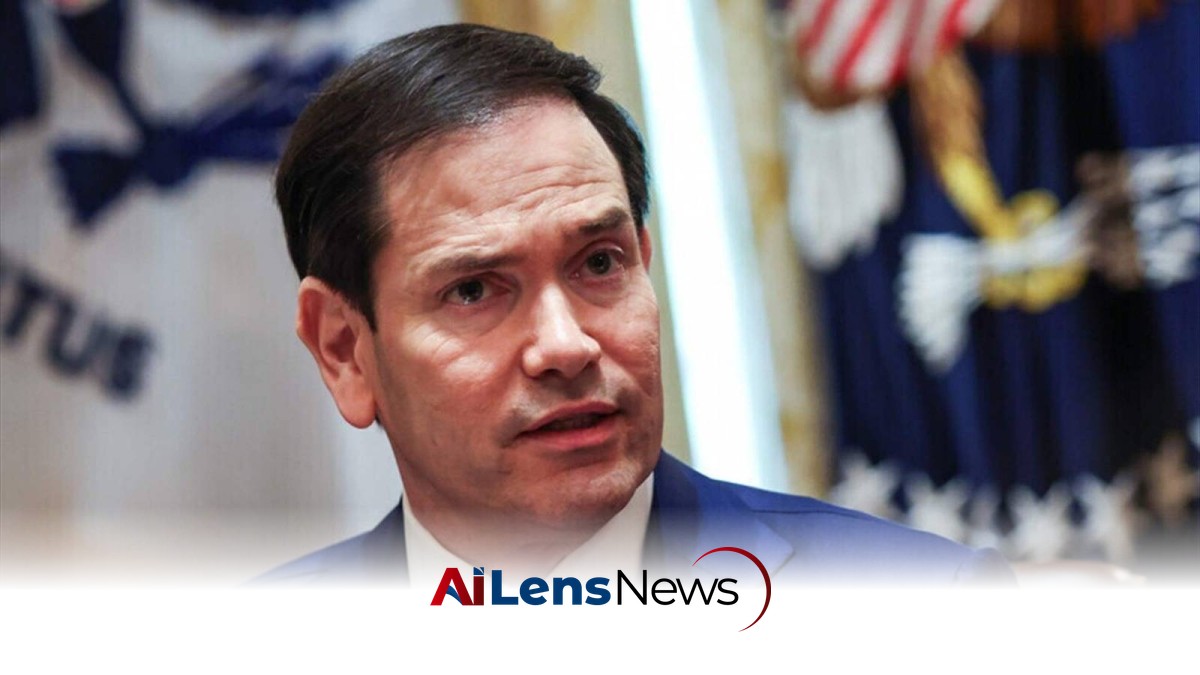


US Secretary of State Marco Rubio emphasizes that any nuclear cooperation pact with Saudi Arabia will focus on a civilian atomic program with necessary safeguards.
Doha, Qatar Jul 23, 2026 ALN: Manila, July 23, 2026 - US Secretary of State Marco Rubio stated Thursday that a landmark nuclear cooperation pact with Saudi Arabia would result only in a peaceful, civilian atomic program. This announcement comes at a time when global interest in nuclear energy is surging, driven by the need for cleaner energy sources and the desire to reduce dependence on fossil fuels. The increasing urgency to address climate change and the volatile nature of fossil fuel markets have prompted many countries, including Saudi Arabia, to explore nuclear energy as a viable alternative.
Rubio emphasized the importance of stringent safeguards in any nuclear agreement, stating, "Suffice it to say that any agreement that we're going to make with any country in the world on civil nuclear energy is going to be one that will have safeguards in place to ensure that it can't be turned into a weapons program." This statement reflects the ongoing international concerns regarding nuclear proliferation and the potential for civilian nuclear technology to be diverted for military purposes. The global community remains wary of the dual-use nature of nuclear technology, where advancements intended for peaceful purposes could inadvertently facilitate the development of nuclear weapons.
Saudi Arabia, the largest oil producer in the world, has been actively pursuing a nuclear program for several years. The Kingdom's interest in developing nuclear energy stems from its desire to diversify its energy sources and reduce its reliance on oil for domestic power generation. By investing in nuclear energy, Saudi Arabia aims to free up more of its oil production for export, thereby increasing its revenue from this critical sector. This strategic shift is particularly significant given the fluctuating oil prices and the global push towards renewable energy sources, which could impact the long-term sustainability of the Kingdom's economy.
In pursuit of this goal, Saudi Arabia has expressed a commitment to developing a peaceful nuclear program. Rubio's remarks reaffirm this intent, which is crucial for both the Kingdom and the international community. The United States has been a key player in the global nuclear energy market, and its support for Saudi Arabia's civilian nuclear ambitions could significantly influence the Kingdom's ability to secure the necessary technology and expertise. Such cooperation is not only about energy production but also about fostering diplomatic relations and ensuring that Saudi Arabia adheres to international norms regarding nuclear safety and security.
The mention of a similar deal with the United Arab Emirates (UAE) is particularly noteworthy. The UAE has successfully established a civilian nuclear program with the help of international partners, including the United States, and has been recognized for its adherence to strict non-proliferation norms. This successful model serves as a template for Saudi Arabia as it seeks to develop its own nuclear capabilities while ensuring compliance with international standards. The UAE's approach has been characterized by transparency and a commitment to international oversight, which could serve as a guide for Saudi Arabia as it navigates the complexities of establishing its nuclear program.
However, the prospect of a nuclear program in Saudi Arabia raises several geopolitical concerns. The Middle East has a complex security landscape, and the introduction of nuclear technology could exacerbate tensions among regional powers. Iran, in particular, has been a focal point of concern regarding nuclear proliferation in the region. The Iranian nuclear program has long been a source of contention, leading to fears that a nuclear-capable Saudi Arabia could trigger a regional arms race. Such dynamics could destabilize the region further and complicate ongoing efforts to achieve peace and security.
In this context, the United States' role becomes even more critical. By facilitating a nuclear cooperation agreement with Saudi Arabia, the U.S. aims to not only support the Kingdom's energy diversification efforts but also to ensure that any nuclear development is conducted under strict oversight. This is part of a broader strategy to promote stability in the region while preventing the spread of nuclear weapons. The U.S. has historically played a significant role in shaping nuclear non-proliferation policies, and its involvement in Saudi Arabia's nuclear ambitions could be pivotal in addressing both energy and security concerns.
The potential for peaceful nuclear cooperation also aligns with global efforts to combat climate change. As countries around the world strive to transition to low-carbon energy sources, nuclear power is often highlighted as a viable option due to its ability to generate large amounts of electricity with minimal greenhouse gas emissions. For Saudi Arabia, which has committed to reducing its carbon footprint, developing a nuclear energy program could play a pivotal role in meeting its environmental goals. The Kingdom's Vision 2030 initiative emphasizes sustainability and economic diversification, and nuclear energy could be a cornerstone of these efforts.
Furthermore, the discussions surrounding the nuclear cooperation pact come at a time when the global energy landscape is undergoing significant changes. The COVID-19 pandemic and subsequent economic recovery have led to fluctuations in energy demand and prices. As nations look to build resilient energy systems, nuclear power is being reconsidered as a stable and reliable source of energy. The reliability of nuclear energy, coupled with its low emissions profile, positions it as a critical component in the global energy transition, particularly for countries that have historically relied heavily on fossil fuels.
In addition to energy security, the establishment of a nuclear program could have broader economic implications for Saudi Arabia. The development of a civilian nuclear sector could create jobs, foster technological innovation, and attract foreign investment. This aligns with the Kingdom's Vision 2030 initiative, which aims to diversify the economy away from oil dependency and promote sustainable development. By building a robust nuclear sector, Saudi Arabia could position itself as a regional leader in nuclear technology, potentially exporting its expertise to neighboring countries seeking to develop similar capabilities.
As the negotiations for the nuclear cooperation agreement progress, it will be essential for all parties involved to prioritize transparency and accountability. The establishment of robust regulatory frameworks and international oversight mechanisms will be critical in building trust among nations and ensuring that the peaceful use of nuclear technology does not lead to proliferation concerns. International bodies, such as the International Atomic Energy Agency (IAEA), will likely play a crucial role in monitoring compliance and ensuring that nuclear materials are used solely for civilian purposes.
In conclusion, Secretary Rubio's affirmation of Saudi Arabia's intent for a peaceful nuclear program highlights the delicate balance between energy needs, regional security, and non-proliferation commitments. As the world navigates the complexities of energy transition and geopolitical dynamics, the outcomes of this nuclear cooperation pact will be closely watched by international stakeholders. The implications of this agreement extend far beyond energy production, touching on issues of security, environmental sustainability, and economic diversification in a rapidly changing global landscape. The success of this initiative could set a precedent for future nuclear cooperation agreements and shape the future of energy policy in the region and beyond.
To learn more about the latest developments in Elections, stay updated with our exclusive reports and analyses on AiLensNews.

