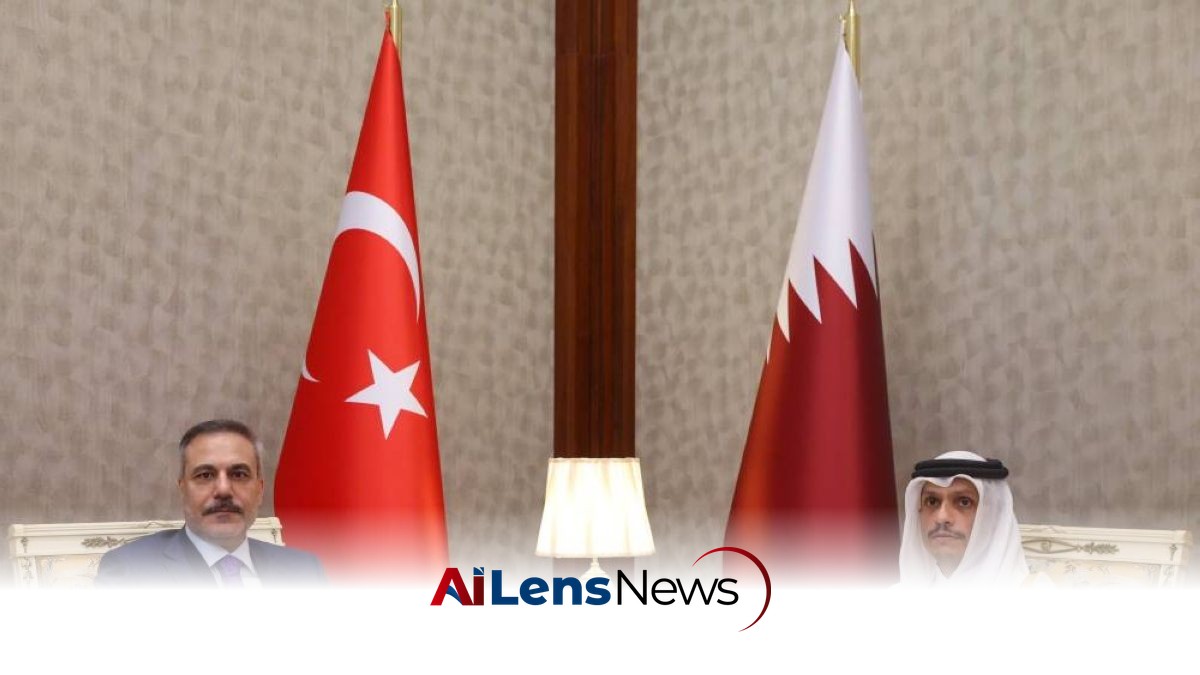


Prime Minister Sheikh Mohammed bin Abdulrahman Al-Thani met with Turkish Foreign Minister Hakan Fidan to strengthen bilateral cooperation and address regional stability.
Doha, Qatar Jul 20, 2026 ALN: On a recent Sunday, the Prime Minister and Minister of Foreign Affairs of Qatar, Sheikh Mohammed bin Abdulrahman bin Jassim Al-Thani, held a significant meeting with Hakan Fidan, the Minister of Foreign Affairs of the Republic of Turkiye. This meeting occurred during Fidan's visit to Qatar, which underscores the importance of diplomatic relations between the two nations. Both leaders engaged in discussions centered on the enhancement of bilateral cooperation, a topic of increasing relevance in the context of the evolving geopolitical landscape in the Middle East.
Qatar and Turkiye have historically maintained a close bilateral relationship, characterized by strong economic ties, military cooperation, and shared political interests. The two countries have collaborated on various fronts, including trade, investment, and cultural exchanges. The meeting between Sheikh Mohammed and Hakan Fidan reflects a continued commitment to nurturing this partnership, particularly at a time when regional dynamics are shifting and new challenges are emerging. This relationship has been notably strengthened in recent years, especially following the 2017 diplomatic crisis in the Gulf, where Qatar faced a blockade imposed by several neighboring countries. During this period, Turkiye emerged as a key ally, providing support through various means, including military presence and economic assistance.
During their discussions, the leaders explored various avenues to strengthen their cooperation. This includes not only economic and trade partnerships but also collaboration in areas such as security and military affairs. Both Qatar and Turkiye have been active in regional conflicts, and their cooperation has often been pivotal in addressing crises in neighboring countries. The ongoing discussions about enhancing military cooperation are particularly relevant given the current geopolitical tensions in the region. In recent years, both nations have engaged in joint military exercises and have discussed the potential for further collaboration in defense technologies, which could bolster their respective security capabilities in a volatile region.
In addition to bilateral cooperation, the meeting also addressed pressing regional developments. The Middle East is currently facing a myriad of challenges, including political instability, economic crises, and security threats. The leaders discussed the importance of diplomatic efforts aimed at de-escalation and promoting security and stability in the region. This is especially crucial in light of ongoing conflicts in Syria, Yemen, and Libya, which have drawn in various regional and international actors and complicated the security landscape. The Syrian civil war, in particular, has seen both Qatar and Turkiye take active roles, with Turkiye supporting opposition groups while Qatar has been involved in humanitarian efforts and political dialogue aimed at finding a resolution to the conflict.
One of the key issues highlighted during the discussions was the need for all parties involved to remain committed to dialogue and diplomacy. Sheikh Mohammed emphasized the importance of implementing the Memorandum of Understanding (MoU) between the United States and Iran. This MoU is aimed at addressing various security concerns in the region, including the critical issue of freedom of navigation through the Strait of Hormuz, a vital waterway for global oil shipments. Ensuring safety and security in this area is essential not only for regional stability but also for the global economy, given the strategic importance of oil exports from the Gulf region. The discussions around this MoU reflect a broader recognition of the interconnectedness of regional security and economic stability, with both leaders acknowledging that tensions between global powers can have significant repercussions for smaller nations in the region.
Furthermore, the leaders discussed the broader implications of maintaining peace in the region. Sheikh Mohammed reaffirmed Qatar's unwavering support for all efforts aimed at defusing tensions and reaching a comprehensive agreement that would lead to lasting peace. This commitment is particularly relevant in the context of ongoing tensions between Iran and its regional adversaries, as well as the complex relationships between Gulf states and other powers, including the United States and Russia. The evolving dynamics of U.S.-Iran relations, particularly following the withdrawal of the United States from the Iran nuclear deal, have added layers of complexity to regional politics, prompting countries like Qatar and Turkiye to navigate their diplomatic strategies carefully.
Qatar has positioned itself as a mediator in various regional conflicts, leveraging its diplomatic relationships to facilitate dialogue among conflicting parties. The country’s efforts have included hosting peace talks and providing a platform for negotiations, which has earned it a reputation as a neutral ground for diplomacy. By engaging with Turkiye, Qatar is further solidifying its role as a key player in regional diplomacy. This mediation role is significant, particularly as Qatar has been involved in various peace initiatives, including those related to the Afghan peace process and the ongoing humanitarian crises resulting from regional conflicts.
This meeting also comes at a time when Turkiye is navigating its own complex foreign policy challenges. The country has been involved in various conflicts and has sought to balance its relationships with both Western allies and regional partners. The discussions between Sheikh Mohammed and Hakan Fidan may indicate a mutual interest in coordinating their foreign policy strategies to address shared challenges effectively. Turkiye's foreign policy has been characterized by a balancing act between its NATO obligations and its relationships with countries like Russia, which adds a layer of complexity to its interactions with Gulf states.
As the geopolitical landscape continues to evolve, the relationship between Qatar and Turkiye is likely to play a significant role in shaping regional dynamics. Both countries are aware of the importance of maintaining strong ties, particularly in the face of external pressures and internal challenges. The commitment to enhancing bilateral cooperation, as discussed in this meeting, may lead to further collaboration in various sectors, including defense, trade, and cultural exchanges. The potential for joint investments in infrastructure and energy projects also remains a significant aspect of their bilateral relationship, given the vast resources and strategic interests both countries hold in these areas.
In conclusion, the meeting between Qatar's Prime Minister and the Turkish Foreign Minister represents a critical step in reinforcing the bilateral relationship between the two nations. As they navigate the complexities of regional politics, their discussions on cooperation, security, and diplomacy highlight the importance of collaboration in addressing the multifaceted challenges facing the Middle East. The emphasis on dialogue and the implementation of agreements aimed at promoting stability is essential for achieving lasting peace in a region that has long been marred by conflict and tension. The ongoing partnership between Qatar and Turkiye may serve as a model for other nations in the region seeking to foster cooperation and stability amid a backdrop of geopolitical uncertainty.
To learn more about the latest developments in Political History & Legacy, stay updated with our exclusive reports and analyses on AiLensNews.

