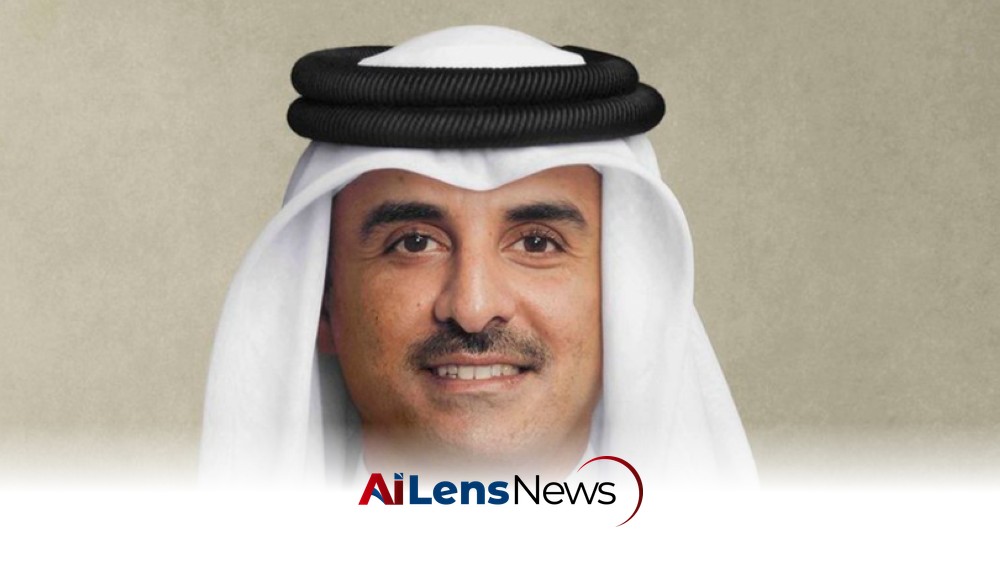


Sheikh Tamim bin Hamad Al Thani of Qatar spoke with Greek Prime Minister Kyriakos Mitsotakis, who expressed condolences for the late Father Amir.
Doha, Qatar Jul 18, 2026 ALN: His Highness the Amir of the State of Qatar, Sheikh Tamim bin Hamad Al Thani, received a phone call from the Prime Minister of the Hellenic Republic, HE Kyriakos Mitsotakis. During the call, Prime Minister Mitsotakis conveyed his condolences on the passing of HH the Father Amir, Sheikh Hamad bin Khalifa Al Thani. This exchange of condolences is emblematic of the diplomatic relations that have developed between Qatar and Greece over the years, showcasing the mutual respect and understanding that exists between the two nations.
Sheikh Hamad bin Khalifa Al Thani, who ruled Qatar from 1995 until his abdication in 2013, played a pivotal role in transforming the country into a prominent player on the global stage. Under his leadership, Qatar experienced rapid economic growth, driven largely by its vast natural gas reserves. His vision for the nation included significant investments in education, health, and infrastructure, which have had lasting impacts on Qatari society.
During his reign, Sheikh Hamad was also known for his efforts in promoting peace and stability in the Middle East. He was instrumental in mediating conflicts in the region and advocating for dialogue among different factions. His death marks the end of an era for Qatar, and the outpouring of condolences from international leaders highlights the significant influence he had not only domestically but also internationally.
In response to the Prime Minister’s condolences, HH the Amir expressed his gratitude and appreciation for the heartfelt sentiments conveyed by Mitsotakis. This acknowledgment is significant as it reinforces the bond between the two nations, which have historically maintained friendly relations. Greece and Qatar have collaborated on various fronts, including trade, investment, and cultural exchanges, fostering a partnership that benefits both countries.
The relationship between Qatar and Greece has been particularly noteworthy in recent years, especially in the context of geopolitical developments in the Eastern Mediterranean. Both nations have sought to enhance their cooperation in energy, security, and cultural domains, recognizing the strategic importance of their partnership. The condolences from Mitsotakis serve to strengthen these ties further, illustrating the importance of diplomatic engagement during times of loss.
The passing of HH the Father Amir has been a significant loss for the State of Qatar, and condolences from international leaders underscore the impact he had during his reign. Leaders from various countries have reached out to express their sympathies, reflecting the wide-ranging respect he garnered throughout his life. Such gestures of sympathy are vital in maintaining and strengthening international relations, particularly during times of mourning.
International relations often hinge on personal connections between leaders, and the exchange of condolences can serve as a foundation for future collaboration. The response from Qatar to the condolences received demonstrates the Amir's commitment to nurturing these relationships, ensuring that the legacy of his father continues to influence Qatar's diplomatic engagements.
As Qatar continues to navigate this period of loss, the support from global leaders like Prime Minister Mitsotakis serves as a reminder of the importance of solidarity among nations. In times of grief, the expressions of empathy and support can help to reinforce alliances and foster goodwill, which are essential for addressing shared challenges in a complex global landscape.
Furthermore, the passing of a prominent leader can often lead to reflections on their legacy and the direction of the nation moving forward. Sheikh Hamad's leadership was characterized by a focus on modernization and international diplomacy, and his death prompts discussions about how Qatar will continue to evolve under the stewardship of his son, Sheikh Tamim. The younger Amir has already demonstrated a commitment to continuing his father's vision while also adapting to the changing global environment.
As Qatar mourns the loss of HH the Father Amir, the nation is also at a crossroads, facing both opportunities and challenges. The condolences from international leaders may not only serve as a comfort during this time of mourning but also as a catalyst for future collaborations and partnerships. The ongoing dialogue between Qatar and Greece, as exemplified by the recent phone call, will likely continue to flourish, with both nations looking to build upon their existing ties.
In conclusion, the heartfelt condolences from Prime Minister Mitsotakis to HH the Amir of Qatar reflect the deep-rooted diplomatic ties that exist between Greece and Qatar. The legacy of Sheikh Hamad bin Khalifa Al Thani continues to resonate, influencing both domestic policies and international relations. As Qatar navigates this period of transition, the support from global leaders serves as a reminder of the importance of solidarity in the international community, highlighting the role of diplomacy in fostering peace and cooperation among nations.
In addition to the personal and diplomatic ties between Qatar and Greece, the broader geopolitical landscape plays a crucial role in shaping the relationship between these two nations. The Eastern Mediterranean has seen increasing tensions in recent years, particularly concerning energy exploration and territorial disputes. Both Qatar and Greece have vested interests in ensuring stability in the region, which has led to collaborative efforts in areas such as energy security and counter-terrorism initiatives.
The energy sector, in particular, has become a focal point of cooperation. Qatar is one of the world's leading producers of liquefied natural gas (LNG), while Greece serves as a strategic gateway for energy supplies to Europe. As the European Union seeks to diversify its energy sources, the partnership between Qatar and Greece could play a significant role in enhancing energy security for the region. This collaboration could also extend to joint investments in infrastructure projects, further solidifying their economic ties.
Cultural exchanges have also been a cornerstone of the Qatar-Greece relationship. Initiatives promoting mutual understanding through art, education, and tourism have been increasingly prioritized. Such exchanges not only foster goodwill but also contribute to a deeper appreciation of each nation's history and heritage. As Qatar continues to develop its cultural landscape, it has looked to Greece as a partner in promoting cultural initiatives that resonate with both nations.
As Qatar moves forward in the wake of Sheikh Hamad's passing, the leadership under Sheikh Tamim is expected to continue building on these existing frameworks of cooperation. The younger Amir has already made strides in positioning Qatar as a mediating force in regional conflicts and a champion of dialogue. This approach aligns with the diplomatic legacy left by his father and reflects a commitment to maintaining Qatar's role as a key player in international affairs.
In summary, the exchange of condolences between Prime Minister Mitsotakis and HH the Amir of Qatar is more than a mere diplomatic gesture; it is a reaffirmation of the strong ties that bind the two nations. As both countries navigate the complexities of the current geopolitical landscape, their partnership is likely to grow stronger, driven by shared interests in energy, security, and cultural collaboration. The legacy of Sheikh Hamad bin Khalifa Al Thani will undoubtedly continue to influence Qatar's path forward, ensuring that his vision for a modern and engaged nation remains at the forefront of its diplomatic endeavors.
To learn more about the latest developments in Political History & Legacy, stay updated with our exclusive reports and analyses on AiLensNews.

