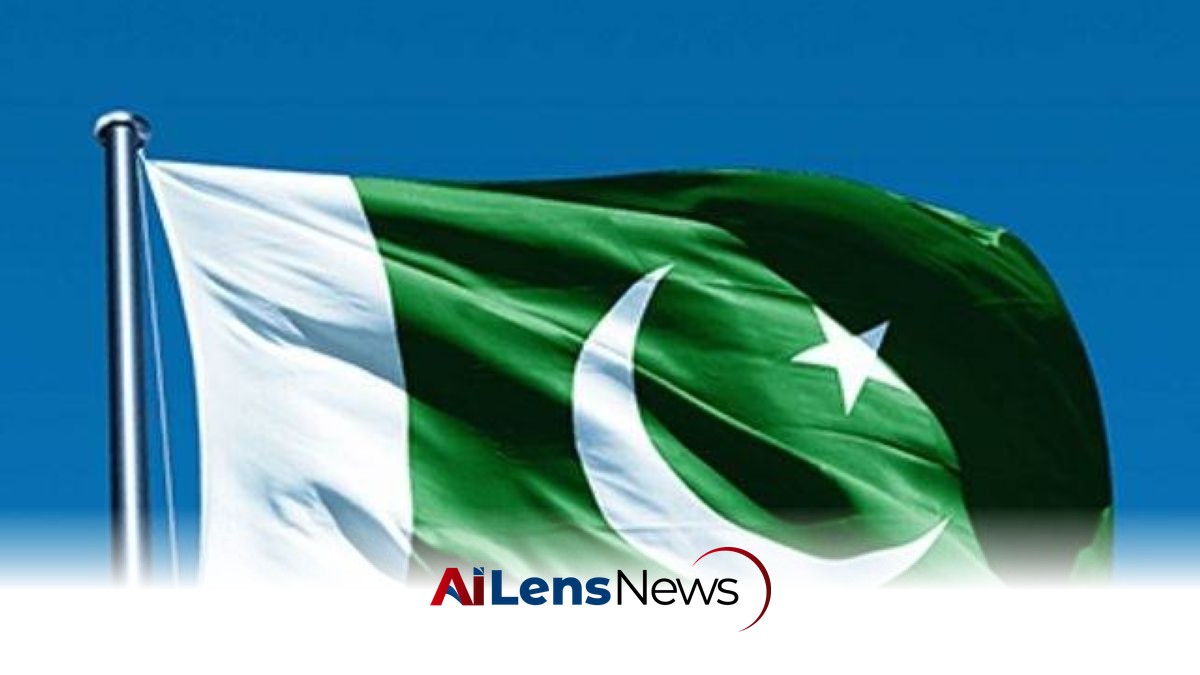


Pakistan is exploring pathways to revive stalled US-Iran negotiations, following discussions initiated by China, amidst ongoing regional conflicts.
Doha, Qatar Jul 25, 2026 ALN: Pakistan is currently navigating a complex geopolitical landscape as it seeks to facilitate a resumption of stalled talks between the United States and Iran. These discussions are particularly significant given the ongoing conflict that has persisted for nearly five months, which has seen rising tensions and hostilities in the region. The impetus for this renewed diplomatic push reportedly comes from China, which has vested interests in maintaining stability in the Middle East, a critical area for global trade and energy supplies.
The geopolitical dynamics of the Middle East have long been characterized by a web of alliances and rivalries. The relationship between the United States and Iran has been particularly fraught since the 1979 Iranian Revolution, which led to the establishment of a theocratic regime in Iran that has frequently positioned itself in opposition to US interests in the region. The US has imposed various sanctions on Iran, particularly in response to its nuclear program and its support for militant groups across the region. These sanctions have had profound implications for Iran's economy and its regional influence.
During a recent visit to Islamabad, Iran's Interior Minister Eskandar Momeni engaged in exploratory discussions with Pakistani officials, marking his second trip to the country within a short span of ten days. Momeni's close ties to Iran's Revolutionary Guard Corps suggest that he may have considerable influence in shaping Iran's strategic decisions. His meetings included discussions with key figures in the Pakistani government and military, including Army Chief Asim Munir, highlighting the seriousness of Pakistan's role as a potential mediator in this fraught situation.
Despite these diplomatic overtures, sources indicate that significant obstacles remain in the path toward renewed talks with the United States. The current geopolitical dynamics are fraught with complications, particularly as Pakistan finds itself balancing its relationships with both Iran and Saudi Arabia. The recent declaration of a naval blockade by Yemen's Iran-backed Houthi movement against Saudi Arabia adds another layer of complexity to these discussions. Saudi Arabia is a close ally of Pakistan and has previously signed a mutual defense treaty with Islamabad, underscoring the delicate nature of Pakistan's position.
The Houthi movement's actions, which included attacks on Saudi oil tankers, threaten to exacerbate tensions in the region. The Houthis have positioned their blockade as a direct response to perceived aggressions from Saudi Arabia, which they label as the "Saudi enemy." This blockade could potentially create a second chokepoint for global oil supplies, alongside the already critical Strait of Hormuz, where tensions have historically been high. The implications of these developments are significant, as they could disrupt global oil markets and impact economies reliant on stable energy supplies.
Pakistan's reliance on Saudi financial support complicates its diplomatic efforts. Islamabad has consistently condemned Houthi attacks on Saudi targets, emphasizing its commitment to its ally. However, Pakistan is also heavily dependent on China, which has emerged as a crucial economic partner for Islamabad. China's economic interests in the region include ensuring the stability of trade routes that are vital for its Belt and Road Initiative, which aims to enhance connectivity and trade across Asia and beyond.
The Belt and Road Initiative, launched in 2013, is an ambitious global development strategy adopted by China to enhance regional connectivity and embrace a brighter economic future through building infrastructure and broadening trade links across Asia, Europe, and Africa. Given that Pakistan is a key partner in this initiative, the stability of the region is of paramount importance to China. The potential for conflict in the Middle East poses a direct threat to the economic corridors that are central to this initiative, thus driving China's interest in supporting diplomatic resolutions.
In light of these tensions, Pakistan's Foreign Minister Ishaq Dar has also engaged in discussions with Chinese officials regarding the evolving situation in the Middle East. The Chinese government has expressed its support for Pakistan's mediation efforts and has indicated a willingness to play an active role in restoring peace in the region. This reflects China's broader strategy of fostering stability in areas that are critical to its economic interests, particularly in light of the potential disruptions posed by the ongoing conflict.
While the Houthis have clarified that their blockade does not extend to the Bab al-Mandeb Strait, their threats against Saudi vessels have already prompted some ships to alter their courses. This development underscores the uncertainty and risk that maritime traffic faces in the region. The Bab al-Mandeb Strait is a strategic waterway that facilitates a significant portion of global maritime trade, particularly for oil exports from Saudi Arabia. The ability of the Houthis to influence shipping routes and create fear of disruption highlights the precarious balance of power in the area.
As the situation evolves, it is essential to recognize the broader context of the US-Iran relationship. The two nations have a long history of animosity, punctuated by periods of tentative dialogue. In June, the US and Iran signed a memorandum of understanding (MoU) aimed at ending hostilities and providing a framework for negotiations. However, the lack of progress in indirect talks has led to a resumption of conflict, with both sides accusing one another of violations of the terms outlined in the MoU.
The stakes are high for Pakistan as it seeks to mediate in this conflict. The country has expressed that a cessation of attacks on Saudi Arabia and other Gulf nations would be a prerequisite for any meaningful dialogue to resume between the US and Iran. This position underscores the intricate web of alliances and enmities that characterize the region, as well as the potential repercussions for Pakistan if it is unable to navigate these relationships effectively.
In conclusion, Pakistan's role as a mediator in the US-Iran talks is fraught with challenges, particularly in light of the recent escalation of hostilities by the Houthis and the delicate balance of its relationships with both Iran and Saudi Arabia. The involvement of China as a key player adds another dimension to the situation, as Beijing seeks to protect its economic interests in the region while supporting diplomatic efforts for peace. As this situation continues to unfold, the implications for regional stability, global oil markets, and international relations remain significant and will require careful monitoring and strategic diplomacy from all parties involved.
To learn more about the latest developments in Elections, stay updated with our exclusive reports and analyses on AiLensNews.

