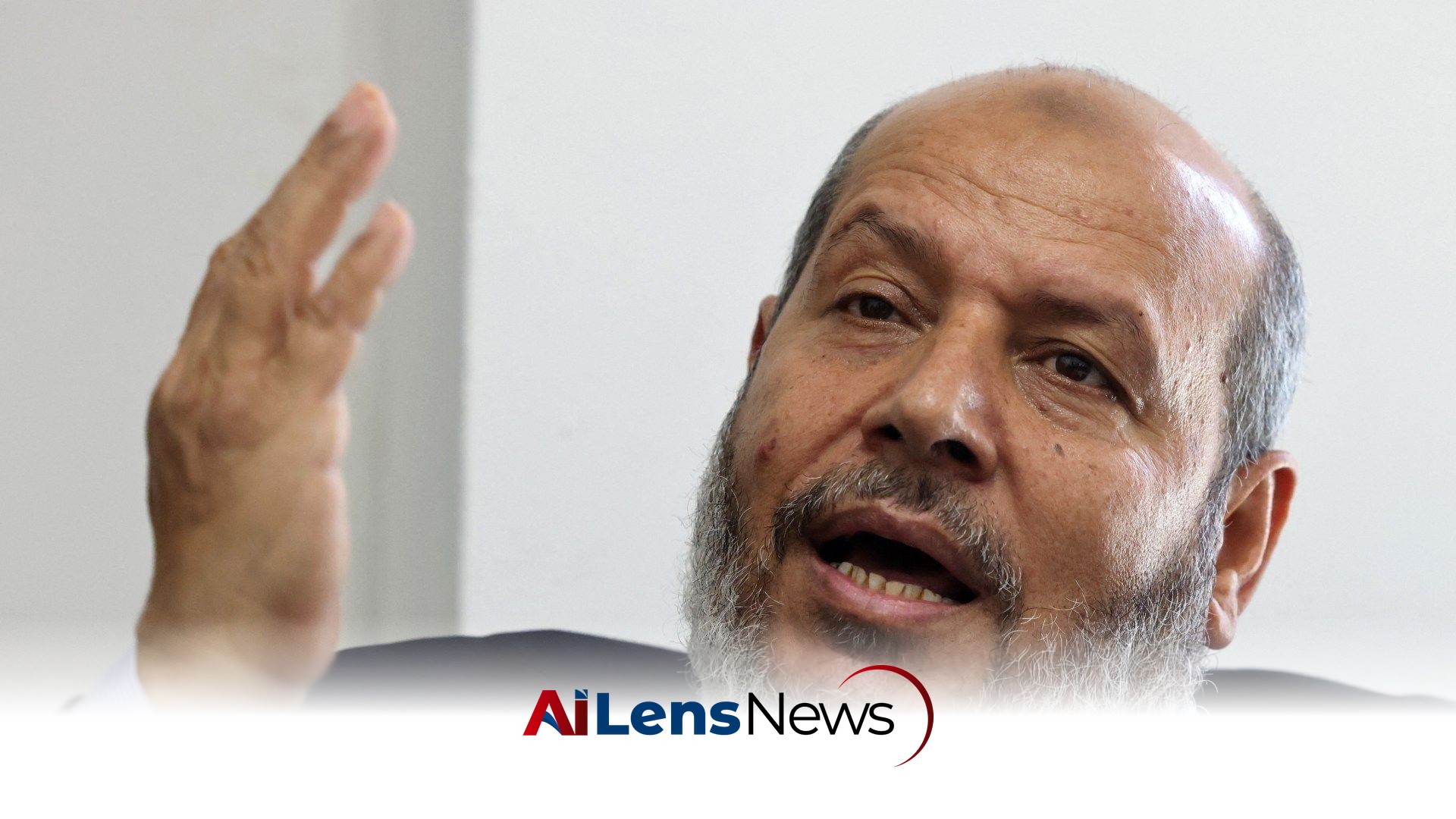


Palestinians express varied sentiments about Khalil al-Hayya's election as Hamas leader, focusing on immediate survival needs over political changes.
Doha, Qatar Jul 21, 2026 ALN: Gaza City, Gaza Strip – The election of Khalil al-Hayya as the new leader of Hamas has elicited a range of reactions among the Palestinian population in Gaza. The internal election, which saw al-Hayya triumph over former political leader Khaled Meshaal, comes at a time of profound crisis for the region. Many residents express skepticism about the significance of this political change, as their immediate concerns revolve around survival amid ongoing conflict and humanitarian devastation.
In the wake of the recent escalation of violence, particularly since the onset of what many refer to as a genocidal war on Gaza beginning on October 7, 2023, the daily realities for residents are dire. The destruction wrought by airstrikes, coupled with a crippling Israeli siege, has left the majority of the population grappling with the most basic human needs: shelter, food, and clean water. The conflict has not only resulted in physical destruction but has also severely impacted the psychological well-being of the populace.
Noman Saleh, a 63-year-old factory owner who lost his business to the ongoing violence, articulates the frustration felt by many. "People here are all suffering. People are hungry. People have been humiliated. Who is standing with the people today? No one," he lamented. His words reflect a deep-seated disillusionment with the political factions that have historically claimed to represent Palestinian interests. Saleh's perspective is emblematic of a growing sentiment among Gazans who feel that political leaders have failed to address the urgent needs of the population.
"I blame all the [political] factions. If there are factions, there is failure. The national cause should not be used for organisations to serve themselves," he added, indicating a desire for a leadership that prioritizes the welfare of the people over political maneuvering.
As the situation in Gaza continues to deteriorate, the overwhelming sentiment among residents is that the election of al-Hayya, while politically significant, does not directly address the pressing issues they face. Saleh succinctly stated, "Whether al-Hayya wins or someone else wins, it does not make a difference to us. We want someone who is loyal to the country, someone who is honest, someone who believes in the people who are living through this." This call for genuine leadership resonates deeply in a context where many feel abandoned by their leaders.
For younger generations, the impact of the ongoing conflict is even more pronounced. Ali Abu Amshi, a 28-year-old who has tragically lost 22 family members, including his immediate family, reflects a harrowing reality that many in Gaza are facing. Displaced from his home in Gaza City, he articulates a sense of hopelessness that overshadows political considerations. "The news does not make a difference to us. We want to live. We want crossings to reopen, we want to eat, drink and have a normal life," he explained. This stark statement underscores a collective yearning for basic human dignity amidst the chaos of war.
Abu Amshi's experience illustrates the emotional toll of the conflict, as he describes feeling "dead inside" despite being physically alive. His words highlight the psychological scars left by repeated cycles of violence, which have led to a pervasive sense of despair among the population. "We return to the same pain, the same wars, every year. If they can feed us, provide us with water, help us live a dignified life, that is all we ask for," he said, emphasizing the urgent need for humanitarian assistance and stability.
Moreover, the conditions in Gaza are exacerbated by the ongoing blockade, which has resulted in a humanitarian crisis that many argue is being overlooked by the international community. Abu Amshi pointed out the dire state of infrastructure, saying, "Look at Gaza today. The streets are filled with waste. Is this a life? Of course not. We hope things will change." His plea for change is not just about political leadership but about the fundamental right to live a life free from fear and want.
On the other hand, some analysts view al-Hayya's election as a significant political maneuver by Hamas. Palestinian journalist Mahmoud Haniyeh posits that this election reflects a strategic decision to maintain continuity within the leadership of the movement. "The importance of electing Khalil al-Hayya at this time is that Israel considers him one of the remaining figures involved in the decision-making circle behind October 7," he noted. This perspective suggests that Hamas is signaling its commitment to its established political path, which includes resistance to Israeli policies and actions.
Haniyeh further elaborated that while Hamas has displayed some flexibility in its political positions, it remains steadfast in its approach to resistance against Israel. The internal election should be viewed within the broader context of Palestinian politics, especially with potential legislative elections on the horizon, which could foster increased political engagement among the populace. He suggested that this could provide Palestinian citizens with a greater opportunity to select political leadership that genuinely represents their interests.
In a significant shift, Hamas has announced plans to dissolve its government and transfer authority to a new Palestinian technocratic governing body, the National Committee for the Administration of Gaza (NCAG). This committee, backed by the United Nations and formed as part of a U.S.-mediated peace process, aims to establish a neutral governance structure that could potentially address some of the administrative challenges facing Gaza. However, the effectiveness of this transition remains in question, particularly as Israel has yet to permit the committee members to enter Gaza, leaving them temporarily based in Cairo.
Despite these political developments, many residents of Gaza remain skeptical about the prospects for peace and stability. Mustafa Ibrahim, a political analyst based in Gaza, highlights a pervasive crisis of trust between the Palestinian population and political factions, particularly Hamas, which has governed the territory since 2007. Years of conflict and hardship have led to disillusionment among many, with some expressing a desire to see Hamas sidelined in favor of alternative governance structures.
"Many people no longer see Hamas as having a political future, and some support arrangements that would prevent the movement from having a role in Gaza’s civil or administrative governance," Ibrahim noted. This sentiment reflects a broader desire for change among the populace, who are increasingly questioning the efficacy of existing political structures.
Ultimately, the reactions to al-Hayya's election may be indicative of a larger desire for substantive change. As Ibrahim points out, unless political changes translate into tangible improvements in the lives of ordinary Gazans, many will view internal elections as disconnected from their everyday struggles. "People want the war to end," he stated emphatically. "If they were given the choice between new elections that bring different political figures and parties, or an end to the suffering they are living through, they would choose to end the war." This stark choice encapsulates the urgency of the situation in Gaza, where the longing for peace and stability far outweighs political allegiances or leadership changes.
In conclusion, while the election of Khalil al-Hayya as Hamas leader marks a significant moment in Palestinian political dynamics, it is essential to recognize the broader context of suffering and disillusionment that characterizes life in Gaza. As the population grapples with the immediate impacts of war and humanitarian crisis, the need for effective leadership that prioritizes the well-being of its citizens becomes increasingly critical. The voices of Gaza's residents, filled with pain yet resilient, serve as a poignant reminder of the human cost of conflict and the urgent need for a path toward peace and recovery.
To learn more about the latest developments in Elections, stay updated with our exclusive reports and analyses on AiLensNews.

