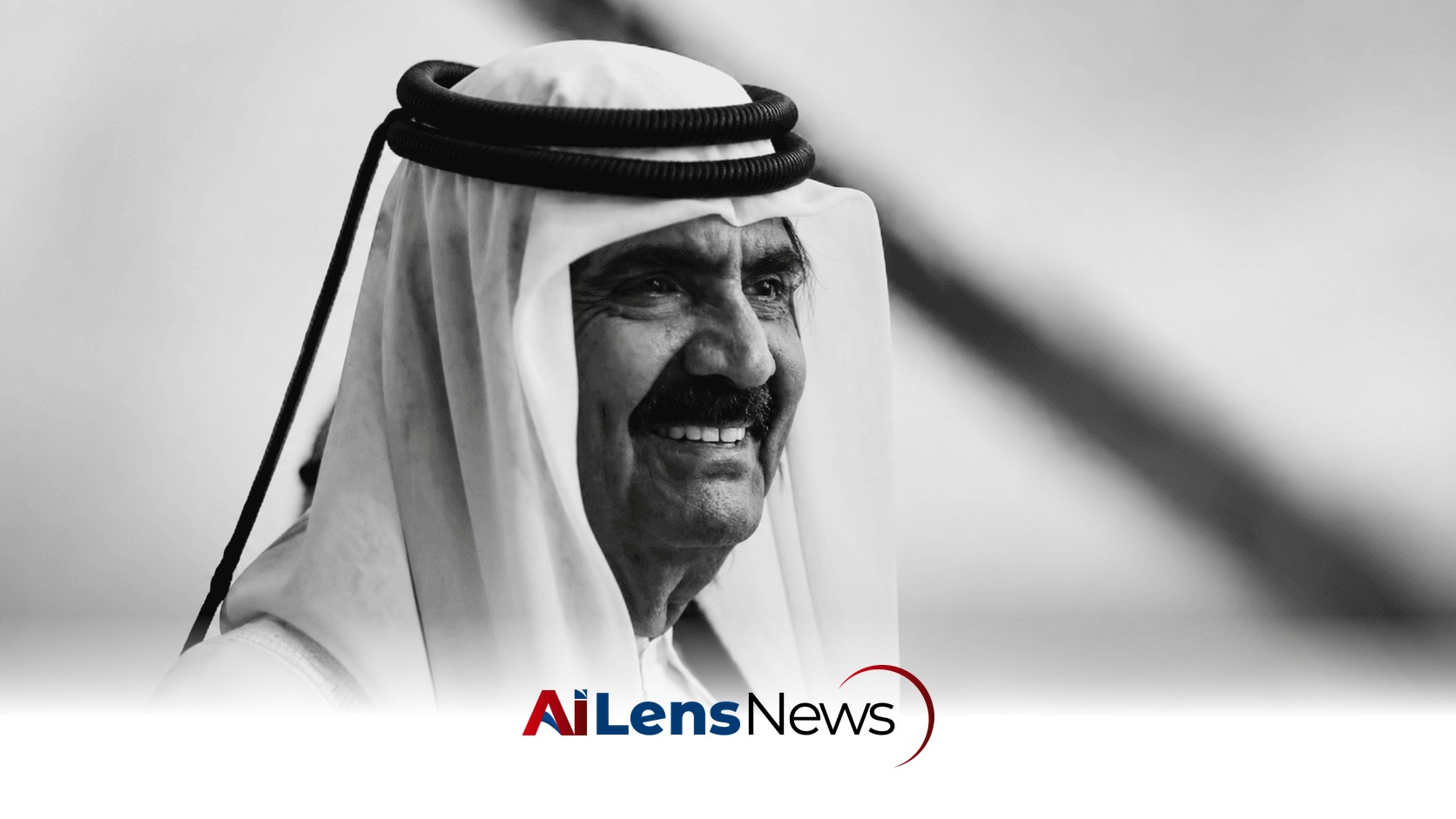


Explore the enduring leadership lessons from HH The Father Amir, focusing on vision, nation-building, and human development in Qatar.
Doha, Qatar Jul 15, 2026 ALN: The leadership journey of HH The Father Amir Sheikh Hamad bin Khalifa Al Thani remains one of the defining chapters in Qatar’s modern history. It was a journey marked by vision, courage, confidence, and a deep belief in the future of the country. Sheikh Hamad's reign, which lasted from 1995 until his abdication in 2013, was characterized by a series of transformative policies that reshaped Qatar from a relatively small and underdeveloped nation into a dynamic and influential player on the global stage.
Beyond the major national achievements associated with his era, his leadership also offers timeless observations about nation-building and responsibility. At the centre of that journey was a clear focus on people, education, and human development. Qatar’s progress was not viewed only through projects or infrastructure, but through the development of people and the opportunities created for future generations. This emphasis on human capital development is particularly significant in a region where economic growth has often been driven by natural resources rather than by investment in the population.
His era also reflected the importance of long-term thinking. The transformation Qatar witnessed was not built around short-term goals, but around a wider vision for the years ahead. It showed that meaningful progress requires patience, planning, and the ability to build for generations, not only for the present moment. This foresight is evident in the ambitious Qatar National Vision 2030, which was established to guide the country’s development and ensure sustainable growth. The Vision emphasizes the importance of diversifying the economy, enhancing the quality of education, and improving the health and well-being of citizens.
Another important part of his approach was the focus on institutions. The development of a country depends not only on individual projects, but on strong institutions that can continue to serve people and support national progress over time. This idea became part of Qatar’s wider journey of growth and modern development. Under Sheikh Hamad’s leadership, Qatar established numerous institutions aimed at fostering education, research, and innovation, including the Qatar University and the Qatar Foundation. These institutions have played a crucial role in promoting knowledge and skills among the population, thereby contributing to the country's long-term development goals.
HH The Father Amir’s vision also reflected a belief in innovation, knowledge, and new ideas. His era helped place Qatar on a path where progress was connected to education, openness, and confidence in the future. It was a reminder that countries move forward when they are willing to think differently and embrace new possibilities. This innovative spirit was evident in the establishment of various free zones and economic initiatives that encouraged entrepreneurship and attracted foreign investment, thereby diversifying the economy beyond its oil and gas roots.
His years of leadership were also marked by courage in decision-making. Major turning points require bold choices, and under his leadership, Qatar entered a new phase of confidence, ambition, and international presence. Sheikh Hamad was instrumental in positioning Qatar as a mediator in regional conflicts and a host for international events, such as the 2022 FIFA World Cup. His foreign policy initiatives helped elevate Qatar’s profile on the world stage, fostering relationships with both Western and Arab nations, and showcasing the country’s commitment to diplomacy and cooperation.
The future of the next generation was also central to the path he set. His leadership looked beyond one era, with continuity and the future of the nation always in view. This was reflected most clearly in the smooth transfer of leadership, a moment that carried wisdom, confidence, and belief in Qatar’s continued journey from one generation to the next. The abdication of Sheikh Hamad in favor of his son, Sheikh Tamim bin Hamad Al Thani, was a significant moment in Qatari history, symbolizing a commitment to stability and the ongoing development of the nation. This transition was marked by a seamless handover of power, which further solidified the leadership’s focus on continuity and strategic planning.
From people and education to institutions, innovation, courage, and continuity, the leadership journey of HH The Father Amir remains deeply connected to the story of modern Qatar. His legacy is not just seen in the infrastructure and projects that have transformed the country, but also in the values and principles he instilled in the Qatari people. The emphasis on education and human development has laid the groundwork for a knowledgeable and skilled workforce that can navigate the challenges of the future.
Moreover, Sheikh Hamad's commitment to social development is reflected in various initiatives aimed at improving the quality of life for all citizens. His administration prioritized healthcare, social services, and cultural programs that fostered a sense of community and national identity. The establishment of cultural institutions, such as the Museum of Islamic Art and the Qatar National Museum, has not only preserved the rich heritage of the region but also promoted cultural exchange and understanding on a global scale.
As Qatar continues to evolve in the face of global challenges, the leadership lessons from HH The Father Amir Sheikh Hamad bin Khalifa Al Thani serve as a guiding framework for current and future leaders. His vision of a prosperous, educated, and innovative society remains relevant as the nation navigates the complexities of a rapidly changing world. The principles of long-term thinking, institutional strength, and a focus on human development will undoubtedly play a crucial role in shaping Qatar's future.
In conclusion, the leadership journey of HH The Father Amir is a testament to the power of visionary leadership in transforming a nation. His legacy will continue to inspire generations of Qatari leaders and citizens as they strive to build a brighter future for their country. The lessons learned from his era are not only applicable to Qatar but also serve as a model for other nations seeking to achieve sustainable development and social progress in the 21st century.
To learn more about the latest developments in Political History & Legacy, stay updated with our exclusive reports and analyses on AiLensNews.

