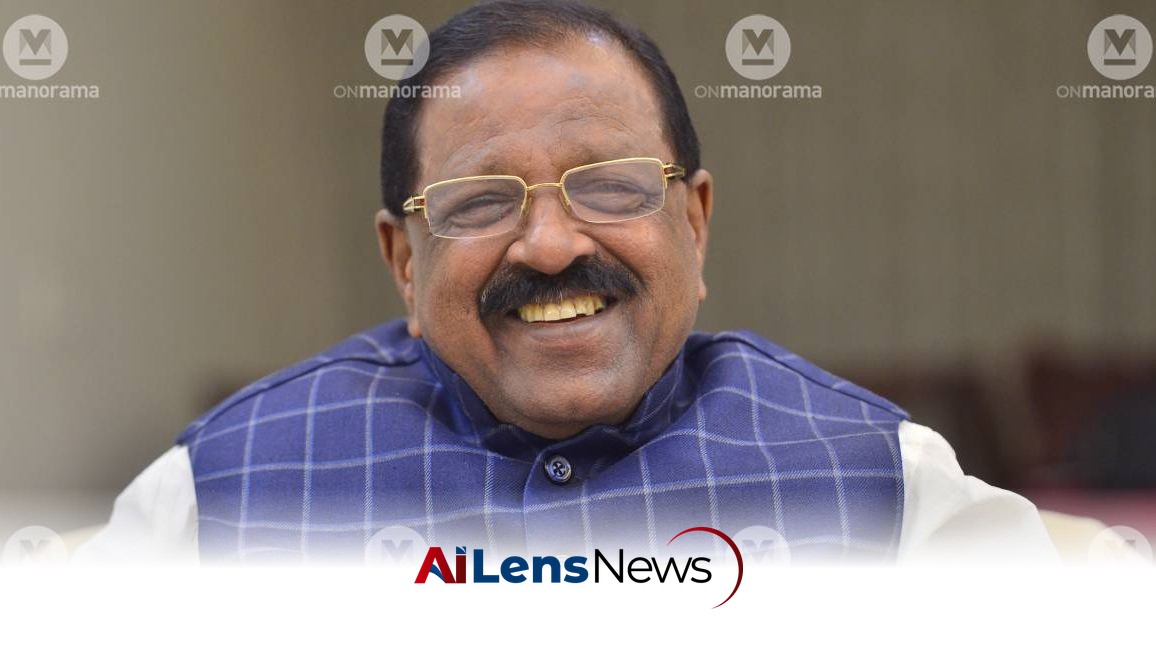


Kasaragod MP Rajmohan Unnithan plans to lodge a complaint with the Kerala Home Minister regarding alleged attempts to hack electronic voting machines, while the BJP intends to approach the Election Commission.
Doha, Qatar Jul 26, 2026 ALN: Kasaragod: The ongoing controversy surrounding allegations of attempts to hack electronic voting machines (EVMs) and manipulate Assembly election results in favor of the United Democratic Front (UDF) candidates has escalated into a significant political issue. Kasaragod MP Rajmohan Unnithan has announced his intention to lodge a formal complaint with Kerala Home Minister Ramesh Chennithala, demanding a criminal investigation into the matter. This development marks a shift from what had been primarily an internal UDF concern to a broader political and legal confrontation, with implications that could reverberate through the political landscape of Kerala.
The allegations, which have been circulating for nearly three months, initially remained within the confines of the UDF's internal discussions. However, the UDF Kasaragod district committee officially addressed the issue in a meeting on July 23, where they deliberated on the need for an inquiry from the UDF's state leadership. The allegations center around claims that Adv B M Jamal Patel, the chief election agent for Udma MLA K Neelakandan, purportedly stated that EVMs could be hacked using advanced technology from Germany and Italy, with an alleged financial request of ₹40 lakh for this operation.
Unnithan, who previously supported Adv Jamal politically, has now distanced himself from him in light of the allegations. He has emphasized that these claims are far too serious to be relegated to mere discussions within party platforms. Instead, he has called upon MLAs and LDF's Kasaragod candidate Shanavas Padhoor, who were allegedly approached by Jamal or his intermediaries, to come forward and provide statements to the Home Minister or the police. This push for transparency highlights the gravity of the situation and the potential impact on democratic processes.
In a press conference held on Friday, Adv Jamal vehemently denied the allegations, asserting that they are part of a conspiracy aimed at tarnishing his reputation and undermining his political career. He was considered a frontrunner for the position of District Congress president and had previously enjoyed the backing of Unnithan. Jamal's denial adds another layer of complexity to the controversy, as he challenges the credibility of the accusations and calls for those making the allegations to produce evidence.
Unnithan has suggested that the investigation should extend beyond Jamal, indicating that multiple individuals may be involved in this alleged scheme. He has stressed the necessity for a thorough investigation, regardless of the individuals' political influence, stating, "Whoever the person is, no matter how powerful they are, there should be an investigation." This statement underscores the importance of accountability in the political arena, especially regarding allegations that could undermine the integrity of electoral processes.
Moreover, Unnithan has urged those who provided information about the alleged EVM hacking offer to submit written complaints to the Home Minister. He has expressed a desire for clarity and truth to emerge from the situation, emphasizing that any individuals found guilty of wrongdoing should face appropriate consequences. However, he has also warned against the potential for fabricated allegations aimed at defaming individuals, suggesting that those responsible for such actions should also be held accountable.
The controversy initially arose when it was alleged that Adv Jamal approached UDF leaders and candidates before the election results were announced, claiming that the Bharatiya Janata Party (BJP) had plans to hack EVMs. He purportedly offered access to technology that could counter this alleged operation, with a financial arrangement involving ₹40 lakh, of which ₹15 lakh was to be paid upfront. This claim, if substantiated, raises significant concerns about the integrity of the electoral process and the lengths to which individuals might go to influence election outcomes.
In response to the allegations, Manjeshwar MLA A K M Ashraf reportedly dismissed the claims as unfounded, asserting that he was confident in his electoral prospects. This dismissal reflects a broader sentiment among some political figures who may view the allegations as an attempt to sow discord within the UDF or to distract from their electoral strategies.
The other MLAs implicated in the controversy include Udma MLA K Neelakandan and Kasaragod MLA Kallatra Mahin, both of whom are now under scrutiny regarding their potential involvement in the alleged EVM hacking scheme. As the situation unfolds, the political ramifications could be significant, affecting not only the individuals involved but also the broader electoral landscape in Kerala.
In a separate but related development, the BJP has announced its intention to approach the Election Commission regarding the allegations. BJP Kasaragod district president M L Ashwini has stated that the claims surrounding Adv Jamal's alleged collection of money raise serious questions about the legitimacy of the Assembly election results. She has pointed to a previous incident involving the brother of Kasaragod MLA Kallatra Mahin, who was allegedly caught with cash in the lead-up to the elections, suggesting a pattern of unethical behavior that could undermine the democratic process.
Ashwini's comments reflect a growing concern within the BJP about the integrity of elections in Kerala, as she has called for accountability from the Kasaragod and Udma MLAs. Her assertion that there may have been a conspiracy aimed at defeating the BJP in these constituencies adds a layer of political intrigue to the unfolding situation. The BJP's decision to file a complaint with the Election Commission signals their commitment to addressing these allegations through formal channels, which could lead to further investigations and scrutiny of the electoral process.
As the situation develops, the implications of the allegations extend beyond the immediate political landscape. They raise critical questions about the security and reliability of EVMs, a topic that has been a point of contention in various electoral debates across India. The integrity of the electoral process is fundamental to democracy, and any allegations of tampering or manipulation can erode public trust in the system.
Furthermore, the controversy highlights the intense political rivalries in Kerala, where the UDF and LDF have long been engaged in a fierce struggle for power. The intersection of technology, politics, and ethics in this case serves as a reminder of the challenges facing modern democracies, particularly in an era where misinformation and allegations can spread rapidly through social media and other channels.
In conclusion, the allegations surrounding EVM hacking attempts in Kasaragod have the potential to reshape the political landscape in Kerala. As MP Rajmohan Unnithan prepares to submit his complaint to the Home Minister, the call for a comprehensive investigation reflects a broader demand for transparency and accountability in the electoral process. The outcomes of these developments could have lasting implications for the individuals involved, the political parties, and the trust of the electorate in the democratic system.
To learn more about the latest developments in Elections, stay updated with our exclusive reports and analyses on AiLensNews.

