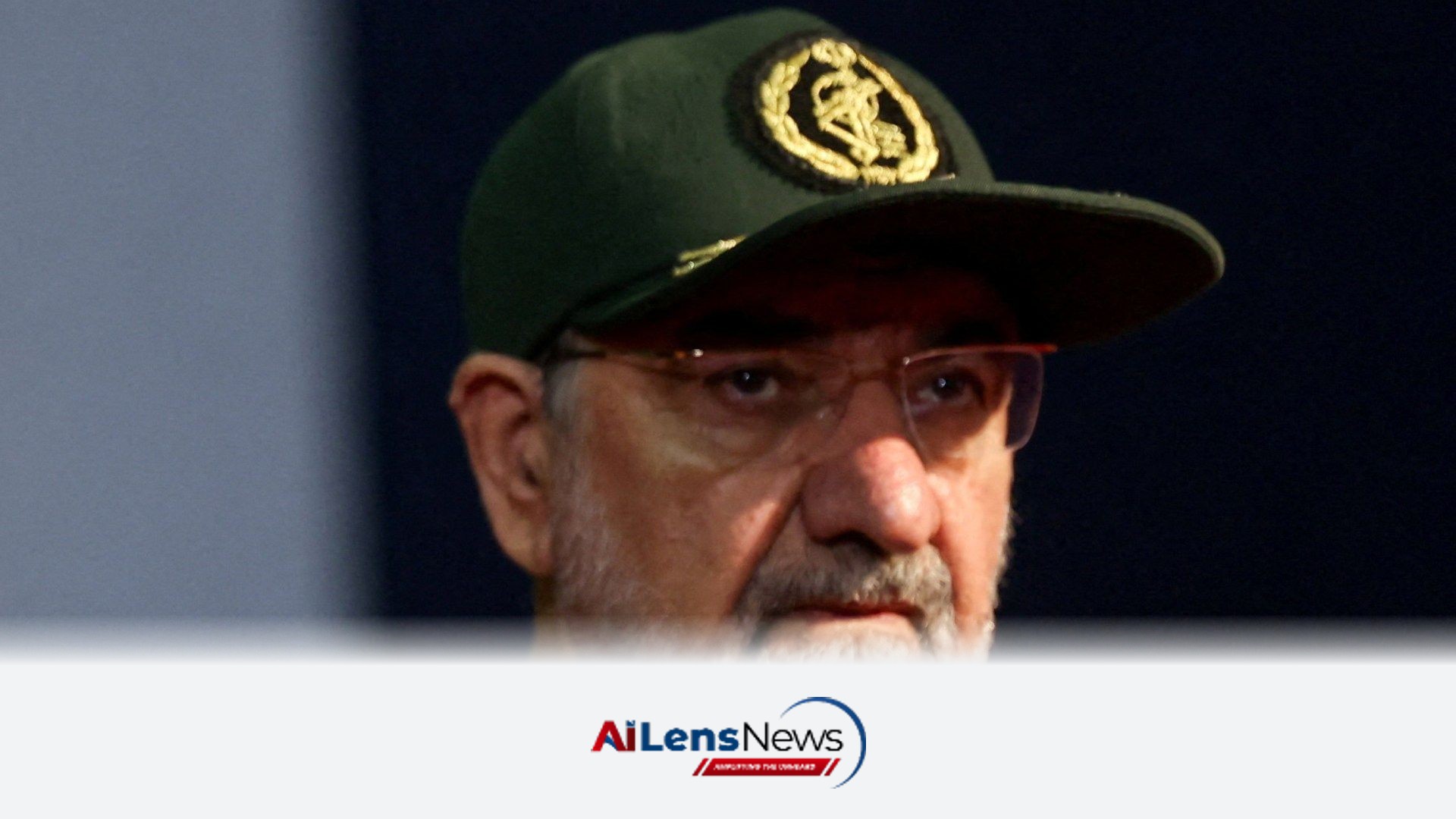



Tehran cautions neighboring states against aligning with the US, labeling them as enemies and threatening retaliation.
Doha, Qatar Aug 23, 2026 ALN: In a significant escalation of rhetoric, Iranian officials have issued a stern warning to neighboring countries considering alignment with the United States in its economic sanctions campaign against Iran. The message was clear: any state that joins the US in its economic war would be deemed an enemy of Iran, with Tehran prepared to target their interests in retaliation.
This warning comes amid heightened tensions in the region, as Iran continues to face severe economic challenges exacerbated by US sanctions. The Iranian leadership has been vocal about its determination to resist external pressures and maintain its sovereignty, emphasizing that any collaboration with the US would have dire consequences.
The backdrop to this warning is a complex geopolitical landscape where Iran's relations with its neighbors are increasingly strained. The Iranian government has been under pressure not only from the US but also from regional adversaries who have aligned themselves with Washington's policies. The US has imposed a series of economic sanctions against Iran, targeting key sectors such as oil exports, banking, and manufacturing, which have significantly impacted the Iranian economy and its ability to engage in international trade.
These sanctions have been a part of a broader US strategy aimed at curbing Iran's influence in the Middle East, particularly regarding its nuclear program and support for militant groups in the region. Iran's military leaders have been particularly vocal, asserting that they will not tolerate any actions that threaten their national interests. This includes military responses to perceived threats from countries that support US sanctions. The Iranian leadership views these sanctions as an infringement on its sovereignty and has vowed to retaliate against any nation that participates in this economic campaign.
Historically, Iran has had a complicated relationship with its neighbors. Countries such as Saudi Arabia and the United Arab Emirates have been particularly critical of Iran, often aligning with US policies in the region. Conversely, Iran has sought to bolster its ties with other nations, such as Iraq and Syria, as a means of countering US influence and creating a network of allies. This precarious balance of power has contributed to the rising tensions in the region.
Responses from neighboring countries have varied, with some expressing concern over Iran's aggressive stance. Countries that have traditionally been aligned with the US, such as Saudi Arabia and Israel, have welcomed the US sanctions as a means of curtailing Iran's regional influence. These nations have been vocal in their support for measures aimed at isolating Iran economically and politically.
Others, however, have reaffirmed their commitment to maintaining diplomatic relations with Tehran, emphasizing the importance of regional stability. Nations like Iraq and Oman have historically played a mediating role in the region and may seek to de-escalate tensions between Iran and its adversaries. The potential for conflict in the region is a significant concern for many, as it could lead to broader instability affecting trade routes and energy supplies.
The warning from Tehran underscores the fragile nature of regional relations and the potential for conflict should neighboring states choose to side with the US. As the situation evolves, the international community will be closely monitoring Iran's actions and the responses from its neighbors. The implications of this standoff extend beyond the immediate region, as global markets and international relations are intricately connected to the stability of the Middle East.
In light of these developments, the role of international mediators, including European nations and organizations, may become increasingly crucial in facilitating dialogue and reducing tensions. The potential for a diplomatic resolution remains, but the stakes are high, and the path forward is fraught with challenges. As Iran continues to assert its position in the face of sanctions, the responses from neighboring countries will play a pivotal role in shaping the future dynamics of the region.
To learn more about the latest developments in Political Controversies, stay updated with our exclusive reports and analyses on AILensNews.

