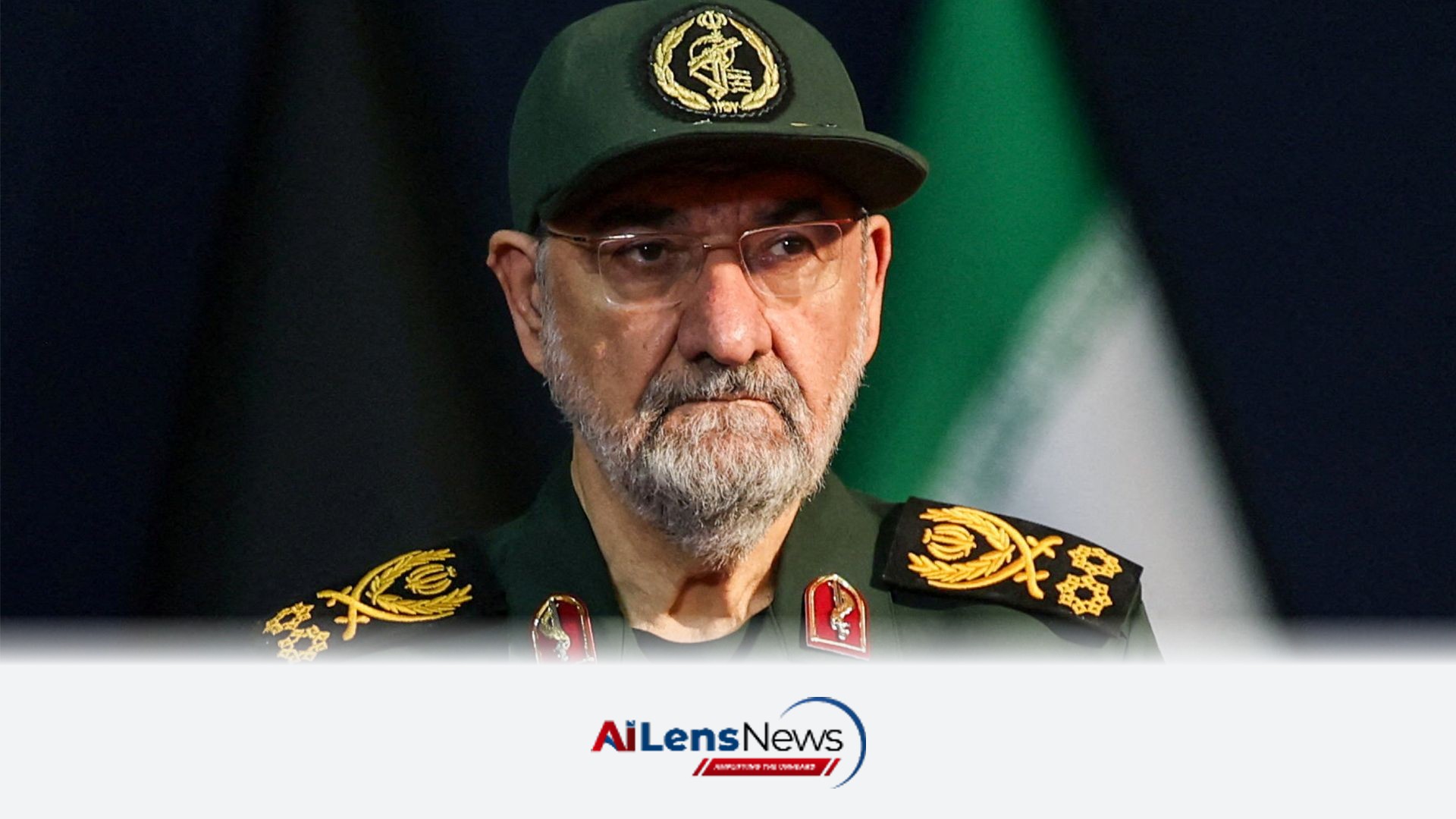



Iran's Supreme National Security Council Secretary Mohsen Rezaei cautions that countries aligning with the US in its economic warfare against Iran will face retaliatory actions.
Doha, Qatar Aug 23, 2026 ALN: Iran's Supreme National Security Council Secretary, Mohsen Rezaei, has issued a stern warning to nations that choose to join the United States in its economic offensive against Iran. This statement follows recent threats from US President Donald Trump, who has vowed to initiate what he terms 'economic warfare' against the Islamic Republic. The warning highlights the increasingly fraught relationship between Iran and the US, and the potential consequences for countries that align themselves with US policies.
Rezaei emphasized that any country that aligns itself with the US in this economic conflict will encounter 'tit-for-tat' responses from Iran. This declaration underscores the escalating tensions between Iran and the US, particularly in the wake of renewed sanctions and economic pressures imposed by the Trump administration. The rhetoric from both sides has intensified, with Iran asserting its determination to resist external pressures, while the US continues to leverage its economic power as a tool of foreign policy.
The roots of the current economic strife can be traced back to the US withdrawal from the Joint Comprehensive Plan of Action (JCPOA) in 2018. The JCPOA was an agreement negotiated between Iran and six world powers (the US, UK, France, Russia, China, and Germany) aimed at limiting Iran's nuclear capabilities in exchange for sanctions relief. The deal was designed to enhance regional security and prevent Iran from developing nuclear weapons. However, following the US's unilateral exit from the agreement, the Trump administration reinstated a series of stringent sanctions that severely impacted Iran's economy, targeting key sectors such as oil, banking, and trade.
In response to these sanctions, Iran has adopted a strategy of resilience and retaliation. The Iranian leadership, including President Ebrahim Raisi and the Islamic Revolutionary Guard Corps (IRGC), has consistently maintained that it will not yield to economic pressures and will respond decisively to any actions that threaten its sovereignty. This stance has included various forms of economic countermeasures, diplomatic outreach to other nations, and efforts to bolster domestic production and self-sufficiency.
Rezaei's comments reflect a broader Iranian policy of defending its national interests against perceived external threats. Iran has sought to strengthen its alliances with countries that oppose US hegemony, such as Russia and China, while also engaging in regional diplomacy to counterbalance US influence. The Iranian government has also increased its military presence in strategic areas, such as the Strait of Hormuz, a crucial chokepoint for global oil shipping, to demonstrate its capability to disrupt international trade if provoked.
Moreover, Iran has been actively seeking alternative markets for its oil exports, particularly in Asia, to mitigate the impact of US sanctions. The country has also increased its efforts to develop its non-oil sectors, including agriculture and technology, in an attempt to reduce its economic dependency on oil revenue. This multifaceted approach illustrates Iran's commitment to navigating the challenges posed by US economic measures while attempting to maintain its regional influence.
The implications of Iran's warning extend beyond its borders. Countries considering joining the US in its economic measures may find themselves caught in a complex geopolitical web. The potential for retaliatory actions from Iran could deter nations from aligning too closely with US policies, particularly in regions where Iran has significant influence. For example, countries in the Middle East, such as Iraq and Lebanon, may weigh their economic ties with the US against their historical and strategic relationships with Iran. Additionally, nations in Europe and Asia may also face pressure to choose sides, impacting global trade and diplomatic relations.
Furthermore, Iran's warning may lead to increased tensions in international forums, where debates over sanctions and economic policies could become more polarized. The United Nations and other international organizations may find it challenging to mediate between conflicting interests, especially as member states grapple with the implications of US sanctions on their own economies and diplomatic relations.
As tensions continue to rise, the international community watches closely. Iran's warning serves as a reminder of the intricate dynamics at play in global politics, where economic strategies can lead to significant diplomatic fallout. The situation remains fluid, and the responses from both Iran and the US will likely shape the future of international relations in the region. The ongoing economic conflict not only impacts Iran but also poses challenges for global stability, as nations navigate the complexities of aligning with powerful states while managing their own national interests.
To learn more about the latest developments in Political Controversies, stay updated with our exclusive reports and analyses on AILensNews.

