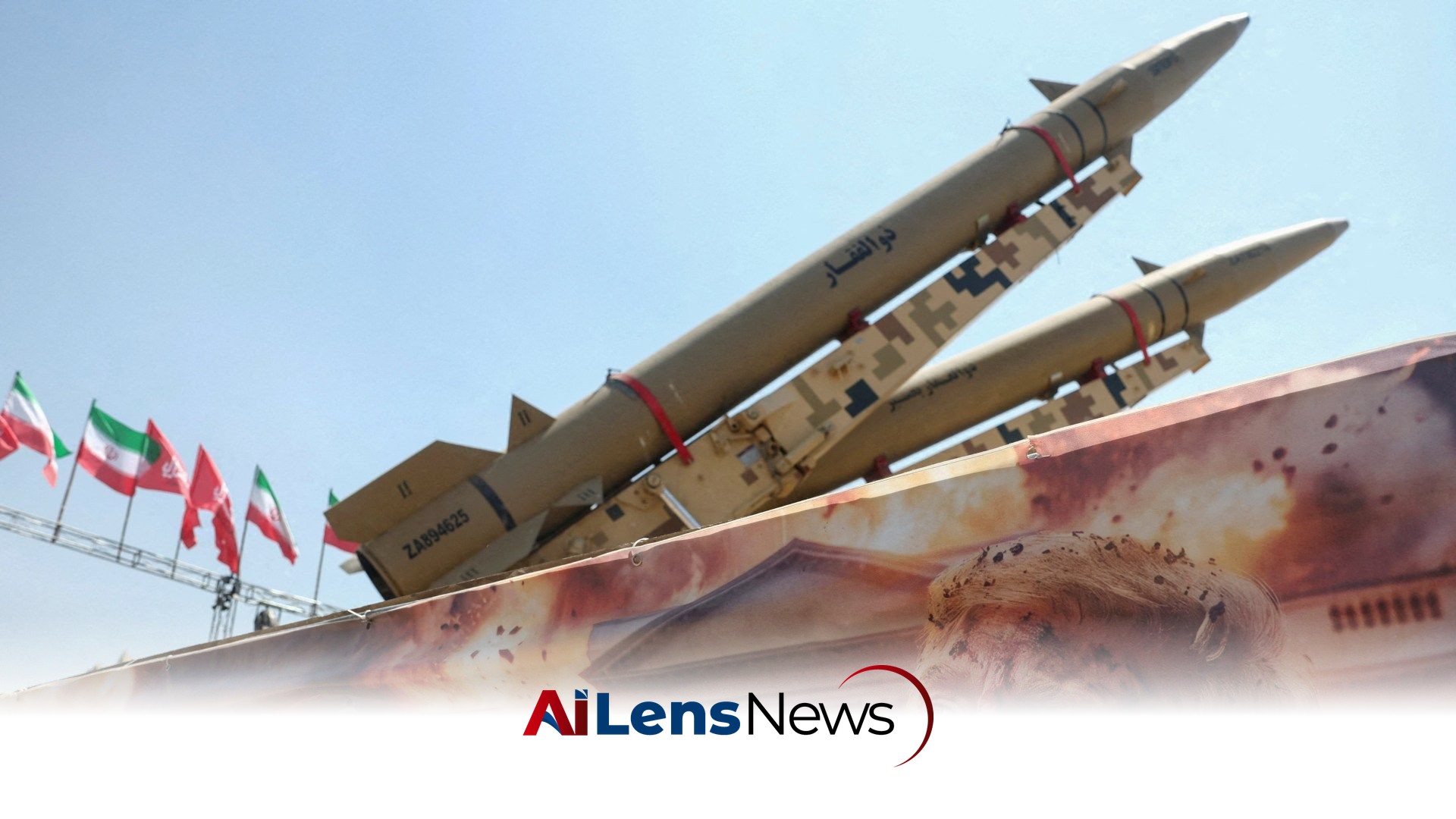


The US and Iran continue to exchange conflicting statements regarding control over the strategic Strait of Hormuz, heightening regional tensions.
Doha, Qatar Aug 13, 2026 ALN: The ongoing dispute between the United States and Iran over the control of the Strait of Hormuz has intensified, with both sides making opposing claims. President Trump has reiterated that the US maintains 'total control' over this vital maritime passage, which is crucial for global oil transportation. This assertion by the President underscores the strategic importance the US places on the Strait, a narrow waterway that is often described as the world's most crucial chokepoint for oil supply.
In contrast, Iranian officials have firmly stated that the US must comply with their demands concerning the strait. This exchange of assertions highlights the rising tensions in the region, as both nations navigate their geopolitical interests amidst a backdrop of military posturing. The rhetoric from both sides indicates a willingness to assert their claims aggressively, which raises the stakes in an already volatile region.
The Strait of Hormuz is a narrow waterway that connects the Persian Gulf to the Arabian Sea and is a critical route for oil shipments. Approximately one-fifth of the world's oil supply passes through this strait, making it a focal point for international trade and security. The strategic importance of this waterway cannot be overstated, as it is the only maritime route for oil exports from several Gulf countries, including Saudi Arabia, Iraq, and the United Arab Emirates. In this context, control over the Strait of Hormuz equates to significant leverage over global oil markets, making the dispute not just a regional issue but one with worldwide implications.
Historically, the Strait of Hormuz has been a flashpoint for tensions between regional powers and global superpowers. The United States has long maintained a military presence in the region, asserting that its operations are aimed at ensuring the free flow of commerce and protecting its allies. This military presence includes naval fleets and bases that are strategically positioned to respond to any threats to maritime navigation. Conversely, Iran views the presence of US military forces as a direct threat to its sovereignty and regional influence. This historical context is crucial for understanding the current standoff, as it is rooted in decades of rivalry, ideological differences, and competing interests, particularly following the 1979 Iranian Revolution which led to the severing of US-Iran relations.
As the situation develops, analysts are closely monitoring the implications of these claims for regional stability and global oil markets. The potential for conflict in this strategically significant area raises concerns among international stakeholders, prompting calls for diplomatic engagement to de-escalate tensions. The fear is that any military confrontation could disrupt not only the oil supply but also broader economic stability, as fluctuations in oil prices could have cascading effects on global markets. For instance, a significant increase in oil prices could lead to inflationary pressures worldwide, impacting consumer spending and economic growth in oil-importing nations.
In recent years, the geopolitical landscape has been further complicated by the actions of other regional players, including Saudi Arabia and Israel, who have their own interests in countering Iranian influence. Saudi Arabia, as a leading oil producer and a US ally, has a vested interest in ensuring that the Strait remains open and secure for its oil exports. Israel, on the other hand, views Iran as a primary threat to its national security and has actively sought to undermine Iranian influence in the region. The dynamics of these relationships add layers of complexity to the US-Iran dispute over the Strait of Hormuz. Furthermore, the involvement of global powers such as Russia and China, who have been increasingly supportive of Iran, complicates the situation further, creating a multipolar environment where various interests intersect.
Both the US and Iran have a history of confrontations in the region, and the current rhetoric suggests that neither side is willing to back down easily. The Iranian Revolutionary Guard Corps has conducted military exercises in the strait, demonstrating its capabilities and willingness to defend its claims. These exercises often serve as a show of strength intended to signal to both domestic and international audiences that Iran is prepared to act in defense of its interests. Meanwhile, the US has conducted naval operations in the area, including the deployment of aircraft carriers and other military assets, as a show of force intended to deter Iranian aggression. This military posturing by both sides raises the risk of miscalculations that could lead to unintended escalations and conflict.
The international community is urged to pay attention to these developments, as they could have far-reaching consequences for peace and security in the Middle East. The Strait of Hormuz is not only vital for oil transport but also serves as a strategic point for military movements and operations. Any escalation in hostilities could lead to a broader conflict that might involve multiple nations, further destabilizing the region. The interconnectedness of global economies means that disruptions in this area could have ripple effects, impacting not just the Middle East but also economies far removed from the conflict.
In summary, the dispute over the Strait of Hormuz continues to be a flashpoint in US-Iran relations, with both nations asserting their positions as they navigate this complex geopolitical landscape. The potential for miscalculation or unintended consequences remains high, and the need for diplomatic solutions has never been more pressing. As both sides prepare for possible scenarios, the global community watches closely, aware that the stakes are not just regional but global in nature. The urgency for dialogue is underscored by the reality that military solutions often lead to prolonged conflict rather than resolution.
The implications of this dispute extend beyond immediate military concerns. The Strait of Hormuz's significance in global trade means that any disruption could lead to increased oil prices, affecting economies worldwide. Countries that rely heavily on oil imports from the Gulf region would be particularly vulnerable to price shocks, potentially leading to broader economic repercussions. For instance, nations in Europe and Asia, which depend significantly on oil from this region, could face economic slowdowns if oil prices were to spike dramatically due to conflict.
Moreover, the environmental implications of a military conflict in this region cannot be overlooked. An armed confrontation could lead to oil spills and other ecological disasters, further complicating an already fragile environmental situation in the Persian Gulf. The region is home to diverse marine life that could be severely impacted by any military actions, leading to long-term ecological consequences. The potential for environmental degradation adds another layer of urgency to the need for diplomatic engagement, as the stakes are not only economic but also ecological.
In light of these factors, it is essential for international diplomatic efforts to focus on de-escalation and dialogue. Engaging in constructive discussions that address the underlying issues can help mitigate tensions. The international community, including organizations such as the United Nations, may play a critical role in facilitating negotiations and fostering an environment conducive to peace. The involvement of neutral parties could help bridge the gap between US and Iranian interests and create a platform for dialogue that addresses security concerns while respecting national sovereignty.
Ultimately, the situation in the Strait of Hormuz is emblematic of broader geopolitical rivalries and the challenges of ensuring maritime security in a complex global landscape. As tensions continue to simmer, the importance of diplomacy and multilateral cooperation cannot be overstated. The world watches closely as the US and Iran navigate this critical juncture, hoping for a resolution that prioritizes stability and peace over conflict. The stakes are high, and the consequences of failure to engage in meaningful dialogue could be catastrophic, not just for the region but for the entire globe.
To learn more about the latest developments in Elections, stay updated with our exclusive reports and analyses on AiLensNews.

