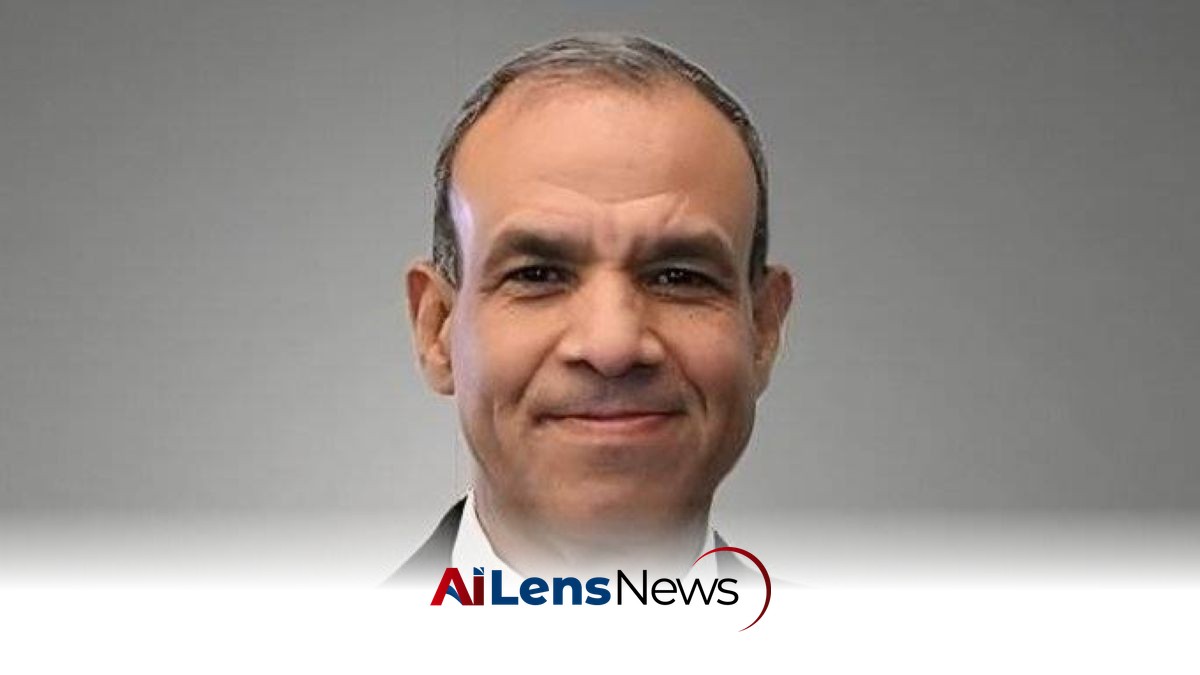


Egypt's Foreign Minister Badr Abdelatty and US Special Envoy Steve Witkoff address escalating military tensions in the Middle East during a phone call.
Doha, Qatar Jul 18, 2026 ALN: The ongoing military escalation in the Middle East has raised significant concerns among regional and international stakeholders. In this context, Egyptian Foreign Minister Badr Abdelatty engaged in a critical dialogue with US Special Envoy to the Middle East, Steve Witkoff. This conversation underscores the urgency of addressing the multifaceted crises that have plagued the region, which includes conflicts in Syria, Yemen, and the Israeli-Palestinian situation, alongside rising tensions involving Iran.
Foreign Minister Abdelatty's conversation with Witkoff is particularly relevant given Egypt's historical role as a mediator in regional conflicts. Egypt has long positioned itself as a stabilizing force in the Arab world, leveraging its diplomatic relationships and strategic alliances to foster dialogue among conflicting parties. The country's geographical proximity and historical ties to many of the involved nations further enhance its role as a key player in seeking resolutions to ongoing disputes.
In his discussion, Abdelatty emphasized Egypt's commitment to dialogue and diplomacy as the primary means of resolving the current crisis. This stance aligns with Egypt's broader foreign policy objectives, which prioritize stability and security in the region. The Foreign Minister's affirmation of support for diplomatic efforts reflects a recognition that military solutions often exacerbate conflicts rather than resolve them. Egypt's historical context as a mediator, particularly in the Camp David Accords, illustrates its commitment to peaceful resolutions.
One of the significant developments referenced in the conversation is the memorandum of understanding (MoU) between the United States and Iran. The MoU is seen as a potential turning point in US-Iran relations, which have been fraught with tension since the US withdrawal from the Joint Comprehensive Plan of Action (JCPOA) in 2018. The agreement aims to establish frameworks for dialogue and cooperation, addressing issues such as nuclear proliferation and regional security concerns. The JCPOA was initially designed to curb Iran's nuclear ambitions in exchange for sanctions relief, but its collapse led to increased hostilities and a more volatile regional landscape.
Abdelatty's welcoming of the MoU indicates Egypt's cautious optimism regarding its implications for regional stability. The Foreign Minister's insistence on adherence to the MoU suggests that Egypt views it as a constructive step that could pave the way for broader negotiations involving other regional players. By supporting this agreement, Egypt is positioning itself as a facilitator of dialogue, potentially enhancing its influence in regional affairs. The Egyptian government’s backing of the MoU may also resonate with other nations seeking to stabilize the region, fostering a collaborative environment for peace initiatives.
The importance of the MoU cannot be overstated. It represents a shift in the dynamics of US-Iran relations and, by extension, the broader geopolitical landscape of the Middle East. The agreement is expected to contribute to de-escalating tensions not only between the US and Iran but also among their respective allies and adversaries in the region. For instance, improved US-Iran relations could lead to a reduction in hostilities in Iraq and Syria, where both nations have significant interests and influence. The potential for de-escalation in these areas could have profound implications for local populations suffering from prolonged conflict.
Furthermore, the implications of the MoU extend to the Gulf Cooperation Council (GCC) states, who have historically viewed Iran with suspicion. If the US and Iran can find common ground, it may encourage GCC states to reconsider their own approaches to Iran, potentially leading to a thaw in relations and increased regional cooperation on security matters. This shift could transform the dynamics of regional alliances and rivalries, impacting everything from economic cooperation to military strategies.
However, the path forward is fraught with challenges. The region is characterized by deep-seated rivalries, sectarian divides, and a history of mistrust. The ongoing conflict in Yemen, for example, continues to be a flashpoint for Iranian influence and Saudi-led intervention. The humanitarian crisis in Yemen has reached alarming levels, with millions displaced and in need of assistance. Similarly, the Israeli-Palestinian conflict remains unresolved, with periodic escalations of violence undermining efforts for peace and stability. The lack of progress on this front continues to fuel resentment and instability across the region.
Moreover, the situation in Syria continues to be a complex battleground involving multiple actors, including Russia, Turkey, and various rebel groups. The involvement of these external powers complicates the prospects for a unified approach to resolving conflicts and achieving lasting peace in the region. The Syrian conflict has not only resulted in significant loss of life but has also led to a massive refugee crisis, further straining neighboring countries and impacting regional security.
In light of these dynamics, Egypt's role becomes even more critical. As a country that has successfully brokered peace agreements in the past, such as the Camp David Accords between Egypt and Israel, Egypt's diplomatic efforts can serve as a model for how to navigate the intricate web of regional relationships. The Egyptian government has a vested interest in ensuring that its neighbors are stable, as instability can lead to spillover effects, including increased refugee flows and security threats. Egypt's historical experience in diplomacy provides it with valuable insights into the complexities of negotiation and conflict resolution.
Looking ahead, the dialogue between Abdelatty and Witkoff may serve as a precursor to broader discussions involving other stakeholders in the region. The United States has been actively seeking to engage with various nations to address the complexities of Middle Eastern geopolitics. By involving Egypt in these discussions, the US acknowledges the importance of regional perspectives in crafting effective policies. This approach not only reinforces Egypt's status as a key player but also highlights the necessity of inclusive dialogue in addressing regional challenges.
Ultimately, the conversation between the Egyptian Foreign Minister and the US Special Envoy highlights the critical need for collaborative efforts to address the myriad challenges facing the Middle East. As regional tensions continue to simmer, the commitment to dialogue and diplomacy remains essential for fostering a more secure and stable environment. The implications of the MoU and the ongoing discussions between Egypt and the United States could provide a framework for addressing not only the immediate crises but also the underlying issues that have contributed to decades of conflict in the region. The successful implementation of diplomatic initiatives could pave the way for a more cooperative regional environment, ultimately benefiting the populations affected by these prolonged conflicts.
To learn more about the latest developments in Political History & Legacy, stay updated with our exclusive reports and analyses on AiLensNews.

