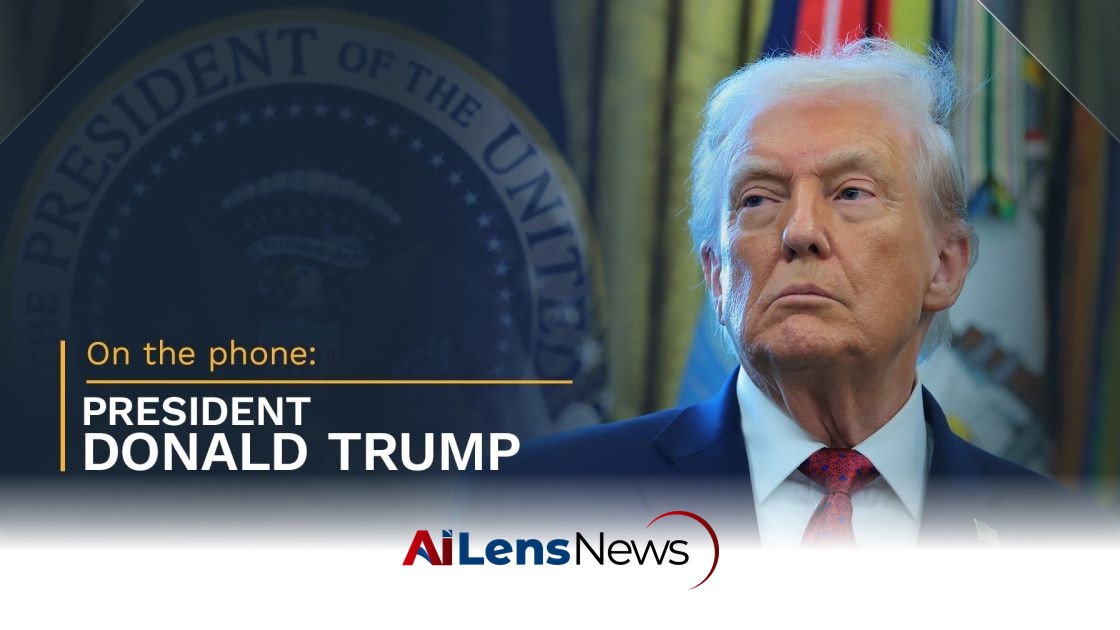


In a heartfelt interview, former President Trump shares his memories of the final conversation with Senator Lindsey Graham, who recently passed away.
Washington DC, United States Jul 12, 2026 ALN: In an exclusive interview with Meet the Press, former President Donald Trump opened up about his last conversation with Senator Lindsey Graham (R-S.C.), who recently passed away. This poignant moment highlighted the close bond between the two political figures, emphasizing the personal relationships that often underpin the political sphere.
Trump described Graham as a steadfast ally and friend, emphasizing the impact Graham had on his presidency and personal life. Their discussions often revolved around key political issues, showcasing their shared commitment to conservative values. Graham, who served in the Senate since 2003, was known for his ability to navigate complex political landscapes while maintaining a focus on core Republican principles, such as limited government, strong national defense, and traditional family values.
Their alliance was particularly significant during Trump's presidency, which was marked by intense political polarization. Graham's support was crucial during challenging times, including the impeachment proceedings against Trump. The senator often took to the Senate floor to defend Trump, arguing that the impeachment was politically motivated and not based on substantive legal grounds. This unwavering loyalty solidified their bond and illustrated Graham's role as a key defender of the Trump administration.
During the interview, Trump recounted the details of their last phone call, which took place the night before Graham's death. He expressed deep sorrow over the loss, noting how their conversation was filled with laughter and mutual respect. Trump reflected on how they discussed various political strategies and shared personal anecdotes, underscoring the warmth of their relationship. This final interaction served as a reminder of the human elements often overshadowed by the public personas of political figures.
Graham's passing has prompted many to reflect on his career and the friendships he fostered in Washington. His ability to forge connections across party lines was notable; he often collaborated with Democrats on issues such as immigration reform and military funding. This bipartisan approach was both praised and criticized, but it exemplified Graham's belief in the importance of dialogue and negotiation in governance.
Senator Graham was known for his unwavering support for Trump during his presidency, often defending him in the Senate. Trump acknowledged Graham's contributions to the Republican Party and his dedication to serving the people of South Carolina. Graham's legislative achievements included significant work on defense policy, judiciary appointments, and immigration reform. He was a key player in the confirmation of several Supreme Court justices, which has had a lasting impact on the judicial landscape of the United States.
Beyond his legislative work, Graham was also known for his charismatic personality and ability to connect with constituents. He often held town hall meetings and was accessible to the public, which endeared him to many South Carolinians. His commitment to his state was evident in his advocacy for issues that mattered to his constituents, such as agriculture, healthcare, and veterans' affairs. Graham's legacy is one of dedication to public service, a commitment to conservative principles, and a belief in the importance of personal relationships in politics.
The news of Graham's passing has resonated deeply within the political community, with many expressing their condolences and sharing memories of the senator's influence. Colleagues from both sides of the aisle have acknowledged his contributions and the impact he had on their lives and careers. Trump's reflections serve as a reminder of the personal connections that often exist behind the political facade, highlighting how friendships can transcend partisan divides.
Public figures, including fellow senators and political commentators, have taken to social media to express their sorrow and share anecdotes about Graham. Many noted his sense of humor, his passion for public service, and his ability to engage in spirited debates while maintaining respect for his opponents. This outpouring of grief illustrates the profound effect Graham had not only on his colleagues but also on the broader political landscape.
As the nation mourns the loss of Senator Lindsey Graham, Trump's heartfelt recollections of their last conversation provide insight into their friendship and the void left in the political landscape. The interview not only honors Graham's memory but also highlights the importance of camaraderie in politics. In an era marked by division and partisanship, the bond between Trump and Graham serves as a reminder of the potential for unity and collaboration, even among individuals with differing views.
Looking ahead, Graham's passing raises questions about the future of the Republican Party and the direction it will take in the absence of such a prominent figure. His legacy will likely influence upcoming elections and the party's strategies as it seeks to navigate an increasingly complex political environment. The need for strong leadership and the ability to forge alliances will be critical as the party aims to address the challenges it faces in the coming years.
Ultimately, the reflections shared by Trump and the memories cherished by those who knew Graham will contribute to the ongoing narrative of his life and career. As the political community continues to grapple with the implications of his loss, it is clear that Senator Lindsey Graham's impact will be felt for years to come.
In addition to the political ramifications of Graham's passing, it is essential to recognize the broader context of his career within American politics. Graham's tenure in the Senate spanned multiple administrations and significant historical events, including the wars in Iraq and Afghanistan, the rise of the Tea Party movement, and the ongoing debates surrounding healthcare and immigration reform. His ability to adapt to changing political climates while remaining true to his core beliefs exemplified a pragmatic approach to governance.
Moreover, Graham's role in shaping the Republican Party's identity during a time of transformation cannot be understated. As the party navigated the challenges posed by an increasingly diverse electorate and shifting public opinions on key issues, Graham often found himself at the intersection of traditional conservative values and the evolving demands of the party base. This balancing act was not without its challenges, as evidenced by the polarized reactions to his bipartisan efforts.
Furthermore, Graham's legacy will likely serve as a case study for future politicians seeking to understand the dynamics of loyalty, friendship, and collaboration in a highly charged political environment. His relationships with colleagues, both friends and adversaries, provided valuable lessons in the importance of building bridges rather than walls, even in the face of significant ideological differences.
As political analysts and historians reflect on Graham's life and career, they will undoubtedly examine the impact of his passing on the Republican Party's future direction. The party is at a crossroads, facing internal divisions and external pressures that demand a reevaluation of its strategies and priorities. Graham's ability to navigate these complexities will be missed, and his absence may create a leadership vacuum that could influence the party's trajectory in the years to come.
In conclusion, the reflections shared by Trump about his final conversation with Graham not only honor the memory of a dedicated public servant but also highlight the importance of personal relationships in the political arena. As the nation processes this loss, it is clear that Senator Lindsey Graham's contributions to American politics will continue to resonate, shaping the future of the Republican Party and the broader political landscape for years to come.
To learn more about the latest developments in Political History & Legacy, stay updated with our exclusive reports and analyses on AiLensNews.

