

A federal judge has dismissed the remaining charges against Proud Boys members convicted of seditious conspiracy, citing Trump's clemency actions.
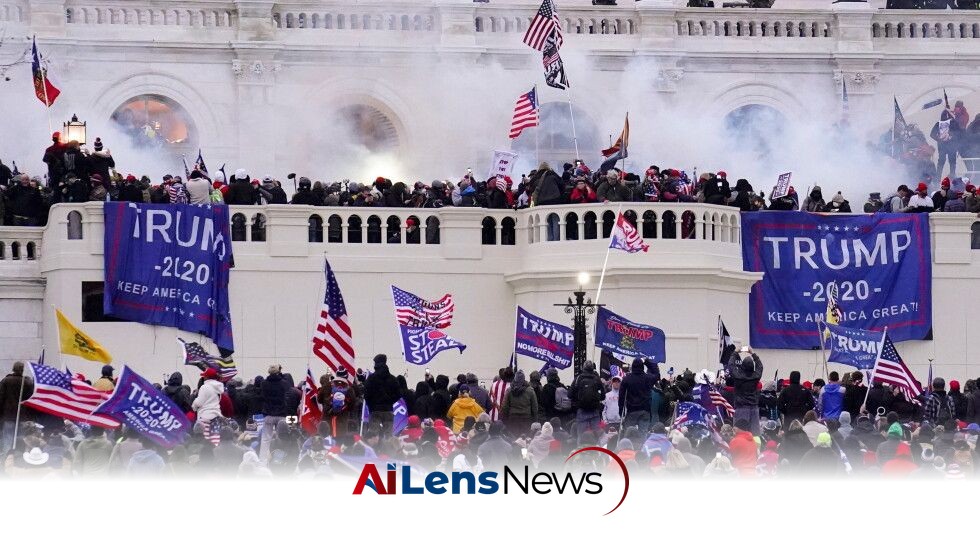
Washington DC, United States Jul 13, 2026 ALN: WASHINGTON — A federal judge has dismissed the remnants of the government’s landmark case against far-right Proud Boys members who were convicted of seditious conspiracy for plotting to attack the Capitol to keep President Donald Trump in the White House more than five years ago. This dismissal comes amid a broader context of legal and political ramifications following the January 6, 2021, Capitol riot, an event that has been described as one of the most significant threats to American democracy in recent history.
The case’s dismissal late Friday became a foregone conclusion when Trump last year used his pardon powers to erase every case that the government prosecuted after a mob of his supporters stormed the building on January 6, 2021. This act of clemency has raised numerous legal and ethical questions regarding the implications of presidential pardons, particularly in cases where the actions of the individuals involved have been deemed to undermine the very foundations of the democratic process.
The judge who presided over the Proud Boys leaders’ trial, U.S. District Judge Timothy Kelly, whom Trump nominated during his first term, stated that there is “little mystery” about why the second Trump administration decided to abandon this case and every other January 6 riot case. His comments reflect a growing concern among legal experts and political analysts about the intersection of politics and the judicial system, particularly in cases that involve political violence and insurrection.
“President Trump’s views about the prosecution of those who attacked the U.S. Capitol on January 6 — whether those views are based on fact or fiction — are well known, as is his intention to extend clemency to them,” Kelly wrote. This statement underscores the contentious nature of the political climate surrounding the events of January 6, where the motivations and actions of individuals involved have been scrutinized heavily in both public and legal arenas.
The judge stressed that his order should not be mistaken as an endorsement of the Department of Justice’s decision to abandon the case. He referred to the Capitol riot as “a perilous event” and an assault on the constitutional imperative for a peaceful transfer of power between presidents. This characterization aligns with the views of many lawmakers and historians who consider the Capitol riot a pivotal moment in American history, one that tested the resilience of democratic institutions and the rule of law.
“Moving forward, if this Nation’s experiment in self-government is to last another 250 years, the American people — no matter their partisan preferences — will have to act together to preserve, protect and defend that miracle through our constitutional framework,” Kelly wrote. This remark serves as a call to action for citizens and leaders alike to engage in a collective effort to uphold democratic values and principles, especially in light of rising political extremism and division.
Juries in the nation’s capital separately convicted leaders of the Proud Boys and another extremist group, the antigovernment Oath Keepers, of orchestrating violent plots to keep Trump, a Republican, in power after he lost the 2020 presidential election to Democrat Joe Biden. The convictions of these groups highlight a broader trend of increasing radicalization and the mobilization of extremist groups in the United States, raising alarms about domestic terrorism and the potential for future violence.
A different judge has not ruled yet on the Justice Department’s related request to throw out Oath Keepers’ seditious conspiracy convictions. The outcome of this case could have significant implications for how the justice system addresses acts of political violence and the accountability of those involved in such actions.
Friday’s ruling applied to four of five Proud Boys members who were convicted after a jury trial: Ethan Nordean, Joseph Biggs, Zachary Rehl, and Dominic Pezzola. Trump commuted their prison sentences, but they were not covered by the president’s mass pardons. The distinction between commutation and pardon is critical, as a commutation reduces a sentence but does not erase a conviction, leaving open the possibility for future legal consequences.
Former Proud Boys national chairman Enrique Tarrio was convicted at the same trial but received a pardon from Trump. Kelly had sentenced Tarrio to 22 years, the longest prison term in any Capitol riot case. This disparity in sentencing and the implications of pardons have sparked debates about justice and accountability, particularly in cases involving political violence and insurrection.
The dismissal of the Proud Boys case is part of a broader narrative regarding the accountability of individuals involved in the January 6 insurrection. Many advocates for justice argue that dismissing such cases undermines the rule of law and sends a message that political violence may go unpunished. As the nation grapples with the aftermath of the Capitol riot, the legal and political ramifications continue to unfold, shaping the discourse surrounding democracy, accountability, and the future of political engagement in the United States.
The implications of this ruling extend beyond the individuals involved; they resonate through the fabric of American society and its democratic institutions. As the country moves forward, the challenges posed by political extremism, the polarization of public opinion, and the role of the justice system in addressing these issues remain at the forefront of national conversation. The events of January 6 and their aftermath serve as a stark reminder of the fragility of democracy and the importance of vigilance in protecting democratic values.
In conclusion, the dismissal of the Proud Boys conspiracy case is emblematic of the ongoing struggle to reconcile political actions with legal accountability in a deeply divided nation. As future cases related to January 6 continue to unfold, the outcomes will likely have lasting effects on the legal landscape and the public’s perception of justice in America.
To learn more about the latest developments in Political Controversies, stay updated with our exclusive reports and analyses on AiLensNews.

