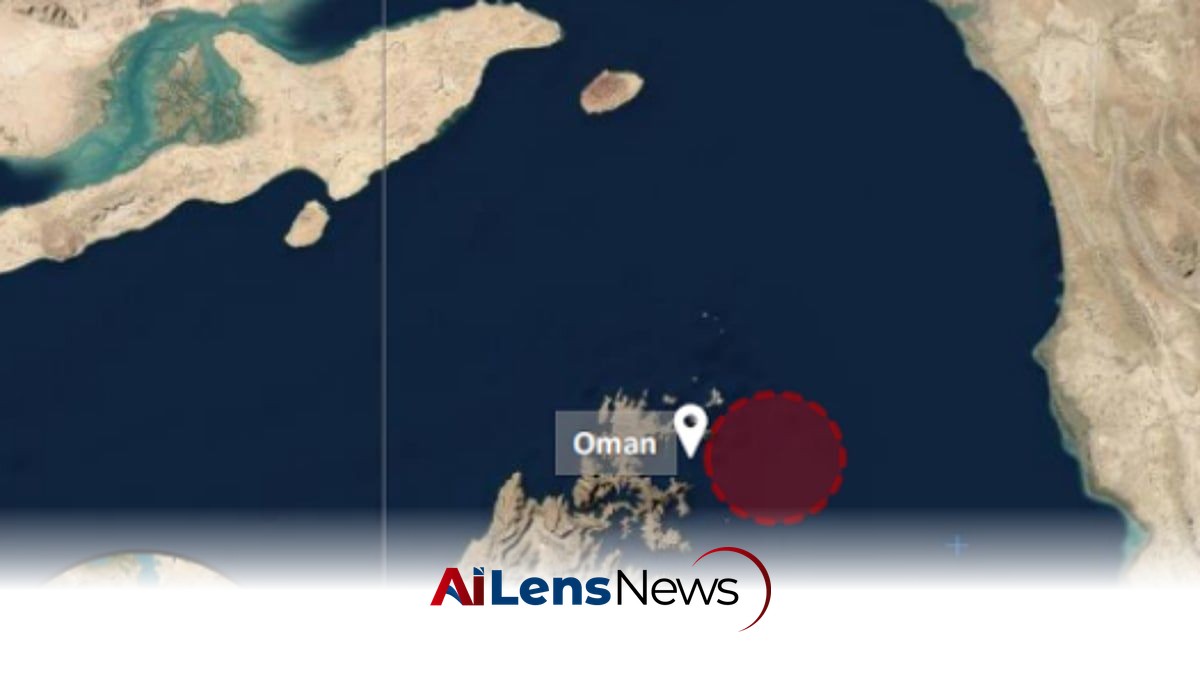


The US has intensified military action against Iran as tensions escalate in the Strait of Hormuz, with multiple strikes reported and regional alerts issued.
Doha, Qatar Jul 12, 2026 ALN: The situation in the Strait of Hormuz has reached a critical point as the United States launches fresh military strikes against Iran. This escalation follows the Iranian Revolutionary Guards' (IRGC) announcement of closing the vital waterway, which is crucial for global energy trade. The Strait of Hormuz is a narrow passage that separates Iran from Oman and is one of the most strategically significant maritime routes in the world, as it connects the Persian Gulf to the Gulf of Oman and the Arabian Sea. Approximately 20% of the world's oil supply, including exports from major oil producers like Saudi Arabia, Iraq, and the United Arab Emirates, transits through this strait, making it a focal point of geopolitical tensions.
On Sunday, the IRGC claimed responsibility for striking a second vessel in the Strait of Hormuz, accusing it of violating maritime regulations. This action was part of a broader response to US military operations in the region, which have included attacks on Iranian military sites. The IRGC's actions are seen as a demonstration of Iran's resolve to assert its dominance in the region and protect its interests amidst what it perceives as aggressive posturing by the US and its allies. The IRGC has a history of engaging in asymmetric warfare, utilizing tactics such as naval mines, speedboats, and drone attacks to challenge larger conventional forces.
"A second vessel accused of violating regulations in the Strait of Hormuz has been struck," stated the IRGC, as reported by state media.
In response to the escalating conflict, Bahrain's Ministry of Interior issued a security alert, activating warning sirens and advising citizens to remain calm and seek safe locations. Similarly, Qatar raised its security threat level, urging residents to stay indoors. These alerts reflect the growing concern among Gulf states about the potential for spillover violence and the impact on their own security. The Gulf Cooperation Council (GCC), which includes Bahrain, Qatar, Kuwait, Oman, Saudi Arabia, and the UAE, has been increasingly vocal about the need for collective security measures in light of the heightened tensions.
Kuwait's armed forces reported intercepting hostile aerial targets within its airspace, with officials confirming that any explosion sounds were due to air defense systems responding to threats. Residents were advised to follow safety instructions from authorities. This incident highlights the vulnerability of Gulf states to regional conflicts, as they are often caught in the crossfire of larger geopolitical struggles. Kuwait has historically maintained a neutral stance in regional disputes but has had to bolster its defenses in response to the escalating threats from Iran.
The US Central Command (CENTCOM) confirmed that it has conducted a third round of strikes against Iran, targeting approximately 140 military sites. These strikes are aimed at diminishing Iran's capability to threaten commercial shipping in the Strait of Hormuz. The US military's operations have been characterized by the use of precision weapons from various platforms, including airstrikes and naval bombardments. The strategic goal of these strikes is to deter Iran from further aggressive actions that could disrupt the flow of oil and threaten the safety of maritime navigation.
According to CENTCOM, the latest operations have brought the total number of targets hit to over 300, utilizing precision weapons from various platforms. This extensive campaign underscores the US commitment to maintaining freedom of navigation in international waters and protecting the interests of its allies in the region.
In retaliation, Iran has claimed to have conducted drone attacks on US military facilities in Kuwait and Bahrain, targeting critical infrastructure associated with US forces. These claims have not been independently verified, and the situation remains fluid. Iran's use of drones reflects a shift in modern warfare, where non-state actors and state militaries alike are increasingly relying on unmanned aerial vehicles to conduct operations at lower costs and with reduced risk to personnel. The potential for further escalation increases as both sides continue to exchange threats and engage in military posturing.
Iran's top negotiator, Mohammad Bagher Ghalibaf, warned that the era of one-sided deals is over, emphasizing that countries must honor their commitments. This statement underscores the heightened tensions and the potential for further conflict. Iran's leadership has historically viewed negotiations with the West through the lens of power dynamics, often asserting that they will not be bullied into concessions. The failure of diplomatic efforts, particularly surrounding Iran's nuclear program, has contributed to the current state of affairs, as both sides remain entrenched in their positions.
As the situation unfolds, countries in the region, including the UAE, have activated their air defense systems in response to missile threats. The international community is closely monitoring the developments, given the strategic importance of the Strait of Hormuz, through which a significant portion of the world's oil supply passes. The potential for a broader conflict involving regional powers and global superpowers raises significant concerns about the stability of the global economy, particularly in light of rising oil prices and supply chain disruptions. Countries around the world are urging restraint and calling for renewed diplomatic efforts to de-escalate the situation before it spirals further out of control.
The ongoing conflict between the US and Iran in the Strait of Hormuz poses significant risks not only to regional stability but also to global energy security. As military actions escalate, the need for diplomatic solutions becomes increasingly urgent. The potential for miscalculations or unintended consequences looms large, making it imperative for all parties involved to engage in dialogue and seek peaceful resolutions to their differences. The international community must remain vigilant in its efforts to prevent further escalation and promote stability in a region that has long been fraught with tensions and conflicts.
To learn more about the latest developments in Government & Governance, stay updated with our exclusive reports and analyses on AiLensNews.

