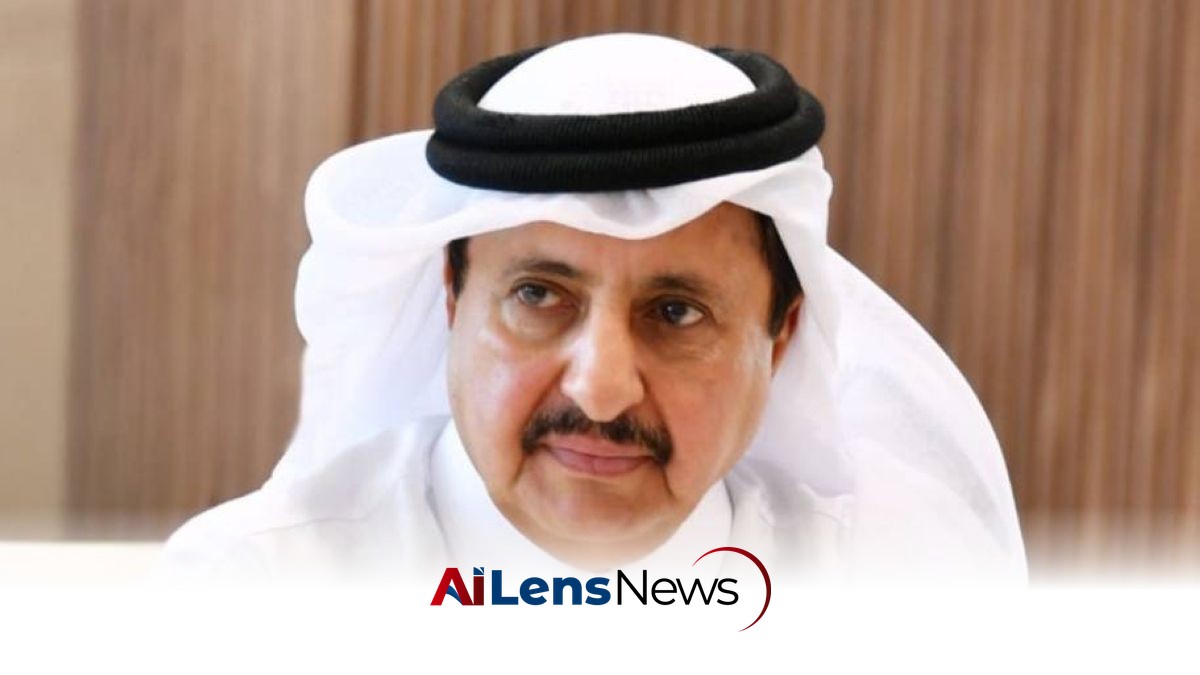


Sheikh Khalifa bin Jassim al-Thani reflects on the transformative vision of HH the Father Amir Sheikh Hamad bin Khalifa al-Thani, emphasizing his contributions to Qatar's development.
Doha, Qatar Jul 13, 2026 ALN: Sheikh Khalifa bin Jassim al-Thani, the chairman of the Qatar Chamber, recently expressed profound sorrow over the passing of His Highness the Father Amir Sheikh Hamad bin Khalifa al-Thani. His statement reflects a sentiment shared by many in Qatar and the broader Arab world, marking the loss of a pivotal figure in the nation's modern history. Sheikh Hamad bin Khalifa al-Thani, who ruled from 1995 until his abdication in 2013, is widely credited with transforming Qatar into a modern state with a significant global presence.
Sheikh Khalifa extended his deepest condolences and sincere sympathies to His Highness the Amir Sheikh Tamim bin Hamad al-Thani, His Highness the Deputy Amir Sheikh Abdullah bin Hamad al-Thani, and the esteemed members of the ruling family. His message resonates with the collective grief of the government and the people of Qatar, who recognize the monumental contributions made by the Father Amir.
“I pray to Almighty Allah to bestow His abundant mercy and forgiveness upon HH the Father Amir, grant him the highest place in Paradise, and reward him generously for his distinguished service to Qatar, its people, and the wider Arab and Islamic nations,” stated Sheikh Khalifa, emphasizing the spiritual and cultural significance of the Father Amir's legacy.
Sheikh Khalifa characterized the loss of HH the Father Amir as the departure of an exceptional leader and a great statesman who dedicated his life to serving his country and its citizens. Under his leadership, Qatar underwent a historic transformation that laid the foundations of the modern State of Qatar. His vision and initiatives significantly enhanced the nation's regional and international standing, positioning Qatar as a key player in global affairs.
One of the most notable achievements during HH the Father Amir's reign was the major economic transformation that occurred, particularly in the energy sector. Sheikh Khalifa noted that Qatar has evolved into one of the world's leading producers and exporters of liquefied natural gas (LNG), a development that has provided a robust foundation for national growth and prosperity. This achievement not only elevated Qatar's economic status but also provided the necessary resources to fund various national projects, enhancing the quality of life for its citizens.
However, the vision of HH the Father Amir extended far beyond just the oil and gas sector. He recognized the importance of developing a diversified and open economy that could withstand global fluctuations in energy prices. This foresight led to the strengthening of the private sector, encouragement of local and foreign investment, and advancement in various industries, including trade, transport, services, telecommunications, and infrastructure. The emphasis on diversification has been crucial in ensuring Qatar's economic resilience.
Sheikh Khalifa stressed that the Qatari people were always at the heart of HH the Father Amir's vision. Significant investments in education, healthcare, and human development were prioritized during his reign, contributing to building a knowledge-based society. These efforts have not only enhanced Qatar's position as a regional center for education and research but have also fostered an environment conducive to innovation and creativity.
Furthermore, Sheikh Khalifa praised HH the Father Amir's role in strengthening Qatar's international presence. His diplomatic approach, characterized by balanced relations, dialogue, and cooperation, established Qatar as a respected and trusted partner on both regional and global stages. This commitment to peaceful resolution of disputes and mediation efforts has further solidified Qatar's reputation as a nation dedicated to fostering stability and collaboration.
Among the most significant achievements of HH the Father Amir was the establishment of a strong state with modern institutions. His leadership saw the creation of a prosperous economy and an educated, ambitious society. The historic transfer of leadership to HH the Amir Sheikh Tamim bin Hamad al-Thani in 2013 was a testament to his wisdom and commitment to the continuity of development. This transition was marked by a smooth handover of power, reflecting the strength and stability of Qatar's political framework.
Sheikh Khalifa articulated that the progress and prosperity enjoyed by Qatar today are a natural continuation of the vision laid down by HH the Father Amir. Under the wise leadership of HH the Amir, the foundations established have been further strengthened, allowing Qatar to thrive in an ever-changing global landscape.
The private sector and business community in Qatar hold a deep appreciation for the support provided to the national economy during HH the Father Amir's reign. Major projects and reforms expanded opportunities for trade, investment, and industry, significantly enhancing the role of national companies. This focus on economic development has been instrumental in creating a vibrant business environment that continues to attract both local and international investors.
Sheikh Khalifa concluded his remarks by emphasizing that no words could fully encapsulate the stature of HH the Father Amir or the magnitude of his contributions to Qatar and its people. He described him as a wise leader, a national symbol, and the architect of Qatar's modern renaissance. The vision, achievements, and enduring legacy of HH the Father Amir will undoubtedly remain a source of pride and inspiration for generations to come.
“I pray to Almighty Allah to grant HH the Father Amir His mercy and the highest place in Paradise, protect HH the Amir, and preserve the blessings of security, stability, dignity, and prosperity for the State of Qatar,” Sheikh Khalifa added, encapsulating the hopes and aspirations of a nation united in remembrance of its esteemed leader.
The legacy of HH the Father Amir is not merely confined to the realm of politics and economics; it extends into the cultural and social fabric of Qatari society. His commitment to fostering a national identity that respects tradition while embracing modernity has left an indelible mark on the country. This balance of heritage and progress has been a guiding principle in Qatar's development strategy, promoting cultural initiatives, art, and heritage preservation alongside rapid modernization.
Additionally, the Father Amir's emphasis on education has led to the establishment of numerous educational institutions, including partnerships with leading global universities. These initiatives have enriched the educational landscape of Qatar, providing citizens and residents with access to world-class education and research opportunities. The Qatar National Vision 2030, which outlines the country's development goals, reflects the foundational work laid during his reign, aiming for a diversified economy and a high standard of living for all citizens.
In the realm of sports, HH the Father Amir's vision has been pivotal in positioning Qatar as a host for major international events, including the FIFA World Cup. This has not only showcased Qatar's capabilities on the world stage but has also stimulated economic growth through tourism and infrastructure development. The investment in sports and leisure facilities has provided citizens with enhanced recreational opportunities and has fostered a spirit of unity and national pride.
The Father Amir's legacy is also evident in the realm of social welfare. His government prioritized the well-being of citizens, implementing policies aimed at improving healthcare access and social services. This focus on human development has resulted in significant improvements in health outcomes and overall quality of life for the Qatari people.
As Qatar continues to navigate the complexities of the 21st century, the principles and values instilled by HH the Father Amir will serve as a beacon of guidance. The nation stands united in honoring his memory, reflecting on the transformative journey that he led. The collective grief expressed by Sheikh Khalifa and the people of Qatar is coupled with a commitment to uphold the vision of a prosperous and inclusive future, ensuring that the legacy of HH the Father Amir remains alive in the hearts and minds of all Qataris.
In conclusion, the passing of HH the Father Amir Sheikh Hamad bin Khalifa al-Thani marks the end of an era for Qatar. His contributions to the nation's development, international standing, and cultural identity are immeasurable. As the nation mourns his loss, it also looks forward with hope and determination, inspired by the lasting impact of his leadership and vision. The future of Qatar will undoubtedly be shaped by the foundations he laid, as the country continues to build upon his legacy for generations to come.
To learn more about the latest developments in Political History & Legacy, stay updated with our exclusive reports and analyses on AiLensNews.

