

Regional mediators are intensifying efforts to prevent further escalation between Iran and the US, with Qatar and Oman playing key roles.
Doha, Qatar Jul 12, 2026 ALN: In a bid to avert escalating tensions between Iran and the United States, regional mediators are ramping up diplomatic efforts. Recent talks held in Tehran by Qatari officials signal a proactive approach to managing the ongoing situation. This diplomatic engagement comes at a time when relations between the two nations have been strained, particularly in the wake of heightened military posturing and a series of confrontational incidents in the Persian Gulf.
The historical context of US-Iran relations is essential to understanding the current dynamics. Since the 1979 Iranian Revolution, the US and Iran have had a tumultuous relationship characterized by mutual distrust and hostility. Key events, such as the US withdrawal from the Joint Comprehensive Plan of Action (JCPOA) in 2018 and subsequent Iranian nuclear advancements, have exacerbated tensions. The JCPOA was a landmark agreement aimed at curbing Iran's nuclear program in exchange for sanctions relief. The collapse of this deal has led to increased regional instability, prompting both nations to engage in provocative actions.
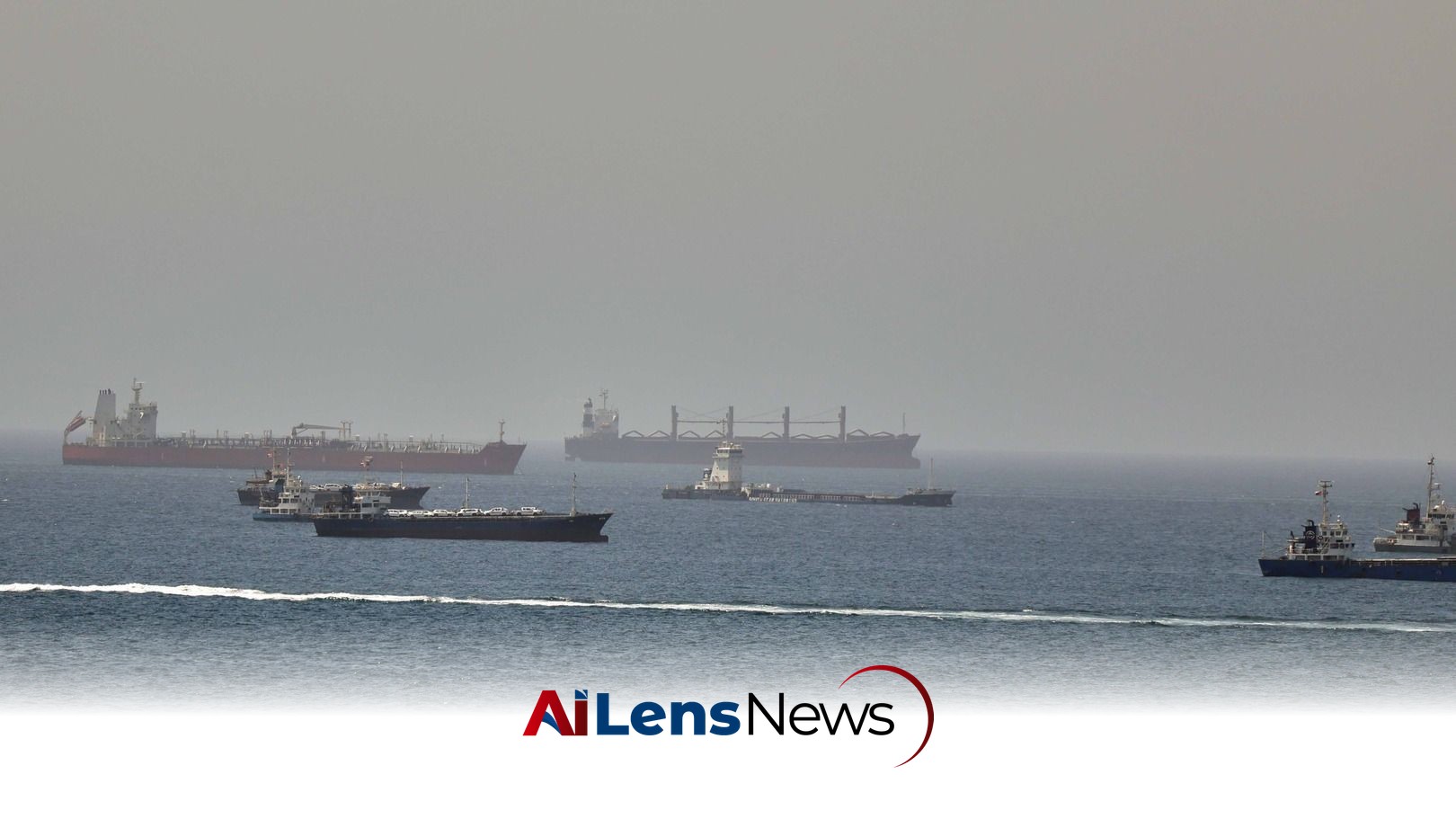
Oman is also stepping into the fray, proposing a comprehensive plan aimed at ensuring safe shipping through the strategically vital Strait of Hormuz. This waterway is crucial for global oil transportation, with approximately 20% of the world's oil passing through it. The Strait's significance cannot be overstated; any disruption in this vital corridor could have far-reaching implications for global energy markets and international trade. Consequently, ensuring the security of maritime routes is a priority for both regional and international stakeholders.
Al Jazeera’s Resul Serdar has provided insights into these developments, highlighting the significance of these diplomatic maneuvers. The involvement of Qatar and Oman reflects a broader regional strategy to mitigate potential conflicts and foster dialogue. Both nations have historically maintained neutral stances and have acted as intermediaries in various regional disputes, which positions them uniquely to facilitate discussions between Iran and the US.
As tensions have escalated in recent months, the urgency for constructive dialogue has never been more critical. The mediators’ efforts are not just about preventing immediate conflict; they aim to establish a framework for long-term stability in the region. The potential for miscalculations or miscommunications between the US and Iran poses a significant risk, and the role of mediators in de-escalating such situations is invaluable.
Both Iran and the US have much at stake, and the ramifications of their actions extend beyond their borders. For Iran, continued isolation and economic hardship due to sanctions are pressing concerns. The Iranian economy has faced significant challenges, including inflation and unemployment, partly due to these sanctions. For the US, maintaining its influence in the region and ensuring the safety of its allies, particularly Israel and Gulf Arab states, is paramount. The international community is closely monitoring these talks, hoping for a resolution that can lead to a more peaceful coexistence.
The implications of successful mediation efforts could be profound. A de-escalation of tensions could pave the way for renewed diplomatic engagements, potentially leading to a new framework for negotiations on broader issues, including Iran's nuclear program, its regional influence, and its missile capabilities. Such discussions would require addressing the concerns of various stakeholders, including Israel and Gulf Cooperation Council (GCC) countries, who view Iran's actions with suspicion.
In conclusion, the ongoing discussions facilitated by Qatar and Oman represent a vital step towards de-escalation. As these nations work to bridge the gap between Iran and the US, the hope is that a diplomatic solution can be reached, ensuring the safety and stability of the region. The success of these mediation efforts could not only reduce the immediate threat of conflict but also lay the groundwork for a more comprehensive approach to regional security, addressing the underlying issues that have historically fueled discord between Iran and its neighbors, as well as with the United States.
Moreover, the role of international actors, including the European Union and Russia, could also be significant in supporting these mediation efforts. Their involvement may bring additional pressure on both sides to engage constructively and could facilitate a more inclusive dialogue that considers the interests of all parties affected by the tensions in the region.
As the situation develops, it will be crucial for all involved parties to remain committed to dialogue and negotiation. The stakes are high, and the potential consequences of failure could be dire, not just for Iran and the US, but for global peace and stability. The world watches closely, hoping that diplomacy will prevail over conflict in this critical juncture of international relations.
Furthermore, the geopolitical landscape surrounding Iran and the United States is complex, involving various regional players and historical grievances that complicate the path to peace. The rivalry between Iran and Saudi Arabia, for instance, adds another layer of tension, as both nations vie for influence in the Middle East. This rivalry often spills over into proxy conflicts in countries like Yemen, Syria, and Lebanon, where both nations support opposing factions. The involvement of external powers, including the United States, Russia, and China, further complicates the dynamics, as their interests do not always align with those of regional players.
The potential for miscommunication or miscalculation is particularly concerning given the military capabilities of both nations. The US maintains a significant military presence in the Persian Gulf, which Iran perceives as a direct threat. Conversely, Iran has developed its military capabilities, including missile technology and naval assets, which it asserts are necessary for its defense. This arms buildup raises the stakes for any potential conflict, as both sides may feel compelled to demonstrate their resolve through military displays, which could quickly escalate into open confrontation.
The role of public opinion in both countries also plays a critical part in shaping the diplomatic landscape. In the US, there is a range of views on how to approach Iran, with some advocating for a hardline stance while others call for renewed diplomacy. In Iran, the government faces pressure from hardliners who view any negotiations with the US as a sign of weakness, complicating the decision-making process for its leaders. Public sentiment can influence governmental policies, making it essential for both sides to consider the domestic implications of their diplomatic efforts.
In light of these complexities, the mediation efforts led by Qatar and Oman may represent one of the few viable pathways toward reducing tensions. Their historical roles as neutral intermediaries provide a platform for dialogue that may not be available through more traditional diplomatic channels. By fostering an environment conducive to discussion, these nations can help both sides to explore potential compromises that might lead to a de-escalation of hostilities.
Ultimately, the success of these talks will depend on the willingness of both Iran and the US to engage in meaningful dialogue and to make concessions. The road ahead is fraught with challenges, but the potential benefits of a peaceful resolution are immense, not just for the two nations but for the broader stability of the Middle East and beyond. The international community continues to watch closely, hoping that through sustained diplomatic efforts, a path toward a more stable and secure future can be forged.
To learn more about the latest developments in Regional Politics, stay updated with our exclusive reports and analyses on AiLensNews.

