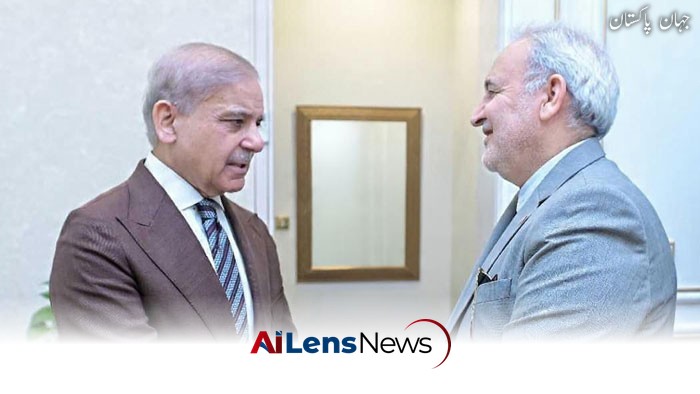


Prime Minister Shehbaz Sharif met with Iranian Ambassador Reza Amiri Moghaddam to discuss bilateral issues and regional stability. They agreed to collaborate for peace in the region.
Islamabad, Pakistan Apr 22, 2026 ALN: Islamabad: Prime Minister Shehbaz Sharif held a meeting with Iranian Ambassador Reza Amiri Moghaddam, where they discussed bilateral matters and the current situation in the region. This meeting is part of a broader context of diplomatic engagements that reflect Pakistan's strategic role in regional politics, particularly concerning its historical ties with Iran.
The relationship between Pakistan and Iran has often been characterized by both cooperation and contention. Geographically, the two countries share a long border, which has been a focal point for trade and cultural exchange, as well as a potential flashpoint for security issues. Over the years, both nations have navigated complex issues, including border security, counter-terrorism, and economic collaboration, which have necessitated ongoing dialogue.
A statement released by the Prime Minister's Office indicated that the meeting involved a detailed discussion on the prevailing conditions in the region and ongoing peace efforts. The reference to regional conditions is particularly relevant given the current geopolitical climate, which is marked by tensions in various parts of the Middle East and South Asia. Issues such as the U.S.-Iran relations, the situation in Afghanistan, and the ongoing conflict in Yemen have significant implications for regional stability.
During the meeting, both the Prime Minister and the Iranian Ambassador agreed to work together for regional stability. This agreement underscores a mutual recognition of the need for collaborative efforts to address shared challenges. Regional stability is critical not only for the security of Pakistan and Iran but also for the broader South Asian and Middle Eastern regions, where conflicts can have ripple effects that destabilize neighboring countries.
It is noteworthy that Pakistan has intensified diplomatic efforts for the second round of negotiations between the United States and Iran. These negotiations are crucial as they aim to address longstanding issues, including Iran's nuclear program and economic sanctions imposed by the U.S. The outcome of these talks could significantly influence the geopolitical landscape, affecting not just Iran and the U.S. but also countries like Pakistan, which have vested interests in a stable and cooperative regional environment.
The historical context of Pakistan-Iran relations is also essential to understand the dynamics at play. Since the Islamic Revolution in 1979, Iran has sought to assert its influence in the region, sometimes leading to tensions with neighboring countries. Pakistan, on the other hand, has pursued a policy of balancing its relationships with various regional powers, including Saudi Arabia and the United States, while maintaining its ties with Iran. This balancing act is crucial for Pakistan, especially considering its economic and security challenges.
In recent years, both countries have made efforts to enhance their economic ties, with initiatives aimed at increasing trade and investment. The Iran-Pakistan gas pipeline project, although stalled due to various political and economic factors, remains a symbol of the potential for energy cooperation between the two nations. Additionally, both countries have expressed interest in collaborating on issues such as counter-terrorism, which is a pressing concern given the activities of extremist groups in border areas.
The meeting between Prime Minister Sharif and Ambassador Moghaddam also comes at a time when Iran is facing significant international scrutiny, particularly regarding its nuclear ambitions and human rights record. The changing dynamics of international relations, especially with the shifting policies of the United States under different administrations, have implications for Iran's foreign policy and its relations with neighbors like Pakistan.
Furthermore, the regional security environment is influenced by the actions of other major powers, including China and Russia, which have been increasing their influence in the region. China's Belt and Road Initiative, which includes investments in Pakistan, could alter the economic landscape and impact Iran's strategic calculations. Similarly, Russia's involvement in the Middle East, particularly in Syria, has implications for Iran's role in the region.
In conclusion, the meeting between Prime Minister Shehbaz Sharif and Iranian Ambassador Reza Amiri Moghaddam highlights the importance of dialogue in addressing regional challenges. As both countries navigate a complex geopolitical landscape, their commitment to working together for stability is crucial. The outcomes of such discussions could have far-reaching implications, not only for Pakistan and Iran but for the entire region, as they seek to foster an environment conducive to peace and cooperation amidst ongoing tensions and uncertainties.
In addition to the discussions on bilateral relations, the meeting also reflects a broader trend of increased diplomatic engagements among countries in the region. For instance, Pakistan's relationship with Iran has been shaped by various factors, including economic ties, shared cultural heritage, and mutual security concerns. The two countries have historically collaborated on various fronts, including trade agreements and joint military exercises aimed at enhancing border security.
Moreover, the geopolitical landscape in the region is continually evolving, with new alliances and partnerships forming in response to emerging threats and opportunities. The role of external powers, particularly the United States, has been pivotal in shaping the dynamics of Iran-Pakistan relations. As the U.S. seeks to counterbalance Iran's influence in the region, Pakistan finds itself in a delicate position, striving to maintain its sovereignty while navigating the complexities of international diplomacy.
The implications of this meeting extend beyond immediate bilateral concerns. For Pakistan, fostering a stable relationship with Iran is essential not only for economic reasons but also for national security. The porous border between the two countries has been a hotspot for smuggling and cross-border terrorism, necessitating cooperative measures to enhance security and counteract extremist movements.
Additionally, the meeting highlights the critical role of regional organizations and forums in facilitating dialogue and cooperation. Both countries have participated in various platforms aimed at promoting regional peace and stability, such as the Economic Cooperation Organization (ECO) and the Shanghai Cooperation Organization (SCO). These platforms provide avenues for dialogue on shared concerns, allowing nations to address common challenges collectively.
Furthermore, the ongoing humanitarian crises in neighboring Afghanistan and Yemen add another layer of complexity to the regional security environment. Both Pakistan and Iran have vested interests in promoting stability in Afghanistan, particularly in light of the Taliban's return to power and the subsequent humanitarian challenges faced by the Afghan population. Collaborative efforts in addressing these issues could serve as a foundation for strengthening bilateral ties and enhancing regional cooperation.
Ultimately, the meeting between Prime Minister Sharif and Ambassador Moghaddam serves as a reminder of the importance of diplomacy in navigating the intricate web of regional politics. As both countries work towards addressing their shared challenges, the outcomes of such discussions could pave the way for a more stable and prosperous future, not only for Pakistan and Iran but for the broader region as well.
To learn more about the latest developments in Leaders & Politicians, stay updated with our exclusive reports and analyses on AiLensNews.

