

In a powerful statement, Iran's Supreme Leader Mojtaba Khamenei has vowed to avenge his father Ali Khamenei's assassination, declaring retaliation against the U.S. and Israel 'inevitable.'
Kuwait City, Kuwait Jul 11, 2026 ALN: Iran’s Supreme Leader, Mojtaba Khamenei, has made a bold declaration following the assassination of his father, Ali Khamenei, in an airstrike. He stated that Iran “demands” retribution for this act, which he describes as a national duty. The assassination of a high-ranking leader such as Ali Khamenei not only marks a significant loss for Iran but also represents a pivotal moment in the ongoing tensions between Iran and its adversaries, particularly the United States and Israel.
In a written statement broadcast on Iranian state television, Mojtaba Khamenei emphasized that avenging the deaths of his father and others killed during the recent conflict is a priority. He declared, “We pledge to avenge the blood of the martyred leader and all the martyrs of these two wars,” framing revenge as a demand of the Iranian nation. This rhetoric underscores the deep emotional and political stakes involved in the aftermath of such a high-profile assassination. The call for vengeance is not merely an expression of personal grief but is also intended to galvanize public sentiment and unify the nation in a time of crisis.
Ali Khamenei was killed on February 28 during the initial phase of the U.S.-Israeli conflict with Iran. This incident has sparked widespread mourning in Iran, culminating in funeral ceremonies that concluded this week. The death of a Supreme Leader is unprecedented in the Islamic Republic’s history, and the circumstances surrounding Ali Khamenei's assassination are likely to have far-reaching implications for Iran’s political landscape and its approach to foreign policy.
Mojtaba Khamenei's statement marks his first public message since his father's death. Reports from U.S. officials indicate that he was seriously injured in the same airstrike, although Iranian authorities have not confirmed these claims. The uncertainty surrounding Mojtaba Khamenei’s health and his ability to lead could create a power vacuum or a struggle for succession within Iran’s leadership, further complicating the region's geopolitical dynamics.
As tensions escalate, former President Donald Trump has threatened to “completely decimate” Iran should it attempt to retaliate against him. This backdrop of threats and vows of revenge sets the stage for a potentially volatile situation in the region. Trump's statement reflects the high stakes involved in U.S.-Iran relations, particularly as both nations navigate a landscape fraught with historical grievances and contemporary conflicts. The rhetoric from both sides has the potential to inflame public opinion and provoke further military action.
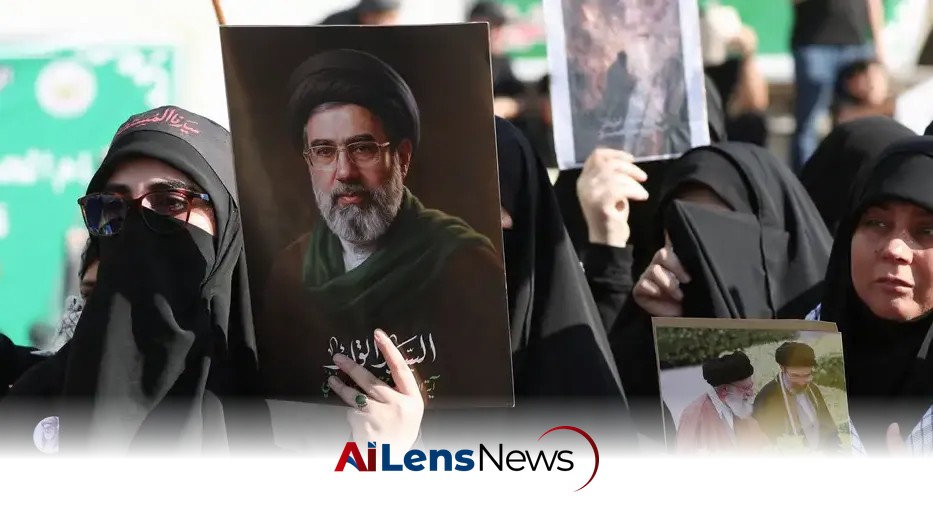
In the wake of these events, the Iranian public has expressed their grief and anger, rallying in support of their new leader's call for vengeance. The implications of this conflict may resonate far beyond Iran's borders, affecting international relations and regional stability. The Iranian populace has a long history of rallying around nationalistic sentiments, especially in times of crisis, and Mojtaba Khamenei's call for revenge plays into this narrative, potentially solidifying his leadership position.
The Iranian government has historically used external threats to unify its citizens, and the assassination of Ali Khamenei can be viewed through this lens. The regime may use this incident to bolster its legitimacy and justify further military actions or aggressive posturing against perceived enemies. The potential for retaliation or military escalation is significant, as Iran has a range of asymmetric capabilities at its disposal, including proxy forces throughout the region.
Furthermore, the geopolitical implications of this situation are profound. The assassination could lead to an increase in hostilities not only between Iran and the U.S. but also with Israel and other regional powers. Iran's response could take various forms, from direct military engagement to cyber warfare or supporting militant groups in neighboring countries. Each of these responses carries its own risks and could lead to broader regional conflict.
Moreover, the international community will be closely monitoring the situation, as Iran’s actions in the coming weeks and months could have significant repercussions for global oil markets, security alliances, and diplomatic relations. The U.S. and its allies may be compelled to reassess their strategies in the Middle East, particularly in light of the potential for Iranian retaliation.
In conclusion, Mojtaba Khamenei's vow for 'inevitable' revenge signifies a critical juncture for Iran, both in terms of internal political dynamics and external relations. The assassination of Ali Khamenei has not only created a leadership crisis but has also heightened tensions in an already volatile region. As Iran grapples with the loss of its Supreme Leader, the world watches closely to see how this situation unfolds and what it means for the future of Iran, the Middle East, and international relations as a whole.
To understand the implications of this event, it is essential to consider the historical context of U.S.-Iran relations. Since the 1979 Iranian Revolution, which resulted in the overthrow of the U.S.-backed Shah, Iran has viewed the United States with suspicion and hostility. This animosity has been exacerbated by a series of conflicts, including the Iran-Iraq War, U.S. sanctions, and military interventions in the region. The assassination of a prominent Iranian leader is likely to be perceived as a direct challenge to Iran's sovereignty and an act of aggression that could rally nationalistic sentiments among the Iranian populace.
Moreover, the role of Israel in this conflict cannot be underestimated. Israel has long viewed Iran as a significant threat due to its nuclear ambitions and support for militant groups like Hezbollah. The assassination of Ali Khamenei may be interpreted as part of a broader strategy by Israel and the U.S. to weaken Iran's influence in the region. This could lead to a cycle of retaliation, further destabilizing an already volatile Middle East.
In addition to military responses, Iran may also seek to leverage its alliances with other nations and non-state actors in the region. Countries like Syria, Lebanon, and various groups in Iraq and Yemen have historically received support from Iran, and these relationships could be mobilized in response to the assassination. The potential for coordinated actions among these groups could complicate the security landscape in the Middle East and lead to unpredictable outcomes.
Furthermore, the economic implications of this conflict are significant. Iran's economy has already been strained by years of sanctions, and the potential for military conflict could further exacerbate these challenges. Increased military spending, coupled with the impact on oil exports and foreign investments, could lead to severe economic repercussions for the Iranian state. This economic strain may influence the government's decision-making process and its approach to retaliation.
As the world watches these developments unfold, the potential for diplomatic efforts to de-escalate the situation may become increasingly critical. International actors, including the United Nations and various regional powers, may seek to mediate between Iran and its adversaries to prevent a broader conflict. However, the success of such efforts will depend on the willingness of both sides to engage in dialogue and compromise, which appears uncertain given the current climate of animosity and distrust.
In summary, the assassination of Ali Khamenei has created a complex and dangerous situation in the Middle East. With Mojtaba Khamenei's vow for revenge, the potential for military escalation looms large, and the implications of this conflict will likely reverberate throughout the region and beyond. The coming weeks and months will be crucial in determining the trajectory of Iran's response and its impact on global stability.
To learn more about the latest developments in Leaders & Politicians, stay updated with our exclusive reports and analyses on AiLensNews.

