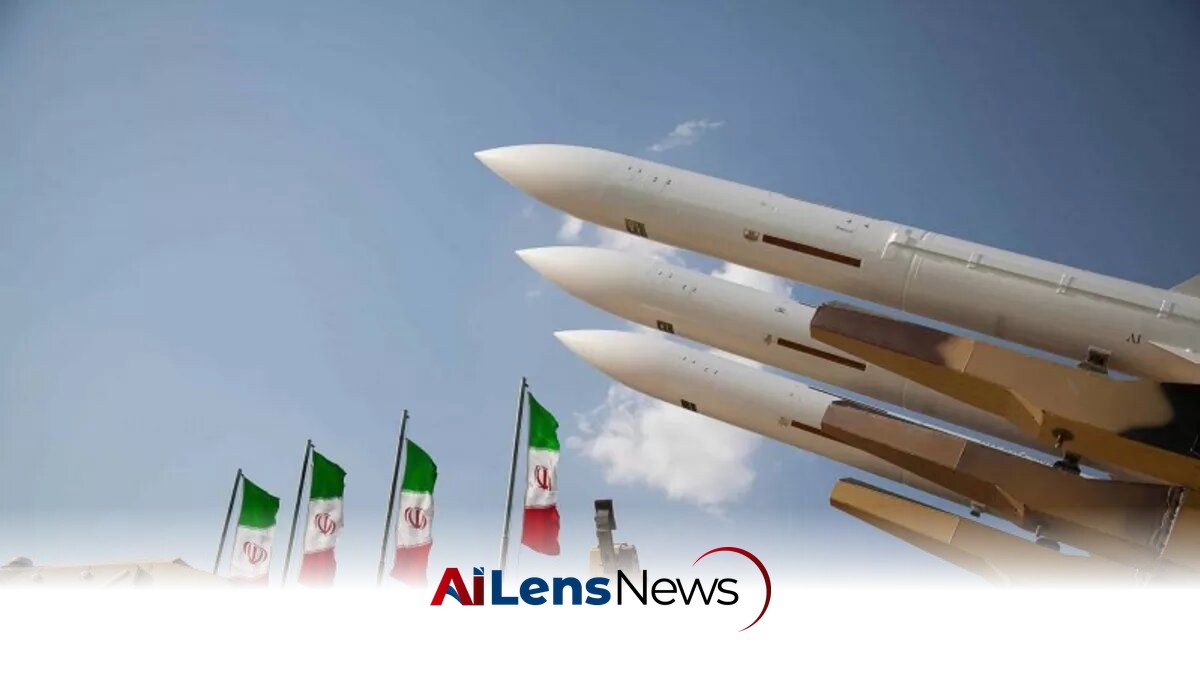


Iran's recent missile attacks on US bases in the Gulf underscore its readiness to counter perceived threats, following a series of aggressive actions by the US.
Tehran, Iran Jul 12, 2026 ALN: TEHRAN - Iran’s latest retaliatory attacks against American bases in the Persian Gulf region have highlighted the country’s seriousness and preparedness to counter aggression. These developments come against a backdrop of heightened tensions between Iran and the United States, which have been exacerbated by a series of military engagements and geopolitical maneuvers in the region.
The Islamic Revolution Guards Corps (IRGC) carried out strikes against two US air bases in Kuwait and Bahrain in the early hours of Saturday. This military action marks a significant escalation in the ongoing conflict between Iran and the US, which has seen a series of confrontations since the US withdrawal from the Joint Comprehensive Plan of Action (JCPOA) in 2018. The JCPOA, commonly known as the Iran nuclear deal, was an agreement aimed at curbing Iran's nuclear program in exchange for sanctions relief. The US exit from the deal, coupled with the re-imposition of economic sanctions, has led to a dramatic deterioration in relations.
In a statement, the IRGC said four violating oil tankers, acting under the aggressive American military without coordination or regard for repeated warnings from the Iranian naval forces, attempted to illegally exit the strategic waterway of the Strait of Hormuz. The Strait of Hormuz is a vital maritime chokepoint through which a significant portion of the world’s oil supply passes. Iran has long maintained that it has the right to control its territorial waters and protect its national interests, especially in the face of what it perceives as provocative actions by the US and its allies.
The IRGC stated that following warnings, one of the tankers was targeted and stopped, while the other violating vessels turned back. This incident underscores the increasing volatility in the region, where naval confrontations have become more frequent. The US has deployed naval assets to the region as part of its strategy to ensure the freedom of navigation and counter Iranian influence. However, Iran views these actions as an infringement on its sovereignty and an act of aggression.
In response to the aggression, the IRGC’s Aerospace Force immediately launched ballistic missiles at Ali Al Salem Air Base, a US airbase in Kuwait, as well as the US Fifth Fleet in Bahrain. The choice of targets is significant, as these bases serve as key operational hubs for US military activities in the Middle East. By striking them, Iran aims to demonstrate its military capabilities and resolve to defend its interests against what it perceives as external threats.
The IRGC also warned that it will not hesitate to respond to any act of aggression by the US against Iranian territory. This declaration reflects Iran's longstanding policy of deterrence, which is rooted in its historical experiences of foreign intervention and military conflict. The Iranian leadership has consistently emphasized the importance of a strong military response to safeguard national sovereignty and deter potential aggressors.
The US and Israel launched a joint war on Iran on February 28. This conflict has been characterized by a series of military operations, cyberattacks, and proxy engagements throughout the region. Iran’s strong retaliatory military response forced President Donald Trump to agree to a ceasefire with Iran on April 8. This ceasefire was a critical moment in the conflict, as it highlighted the potential for escalation into a broader regional war, which both sides sought to avoid.
During the war, Iran carried out 100 waves of missile and drone strikes against Israel and US bases in the Persian Gulf region. This level of military engagement showcases Iran's evolving military capabilities, particularly in the realm of drone warfare and missile technology. The strikes were not only a demonstration of military prowess but also served as a message to both regional adversaries and the international community regarding Iran's resilience and willingness to defend its interests.
Trump has claimed that the US military destroyed Iran’s military capabilities. Such claims have been rejected by American officials speaking to US media. This divergence in narratives reflects the complexities of the information landscape surrounding military conflicts, where both sides often seek to frame events in a manner that supports their strategic objectives. The Iranian government has consistently portrayed its military actions as defensive in nature, aimed at countering foreign aggression, while the US has framed its military presence in the region as a stabilizing force.
The latest Iranian retaliatory strikes against American bases in the Persian Gulf make it clear that any new act of aggression will be met with a crushing response. This statement serves as a warning not only to the US but also to its allies in the region, particularly Israel, which has been a vocal opponent of Iran's regional influence and nuclear ambitions. The implications of this ongoing conflict extend beyond the immediate military engagements, as they have significant repercussions for regional stability, global oil markets, and international diplomatic efforts aimed at resolving the crisis.
The situation remains fluid, and the potential for further escalation is ever-present. Analysts are closely monitoring developments, as any miscalculation or unintended confrontation could lead to a broader conflict involving multiple regional and global powers. The international community continues to call for dialogue and diplomatic solutions, but the entrenched positions of both Iran and the US complicate efforts to achieve a lasting resolution.
As tensions persist, the implications for global security and economic stability are profound. The Persian Gulf is a critical artery for international trade and energy supplies, and any disruption in this region could have far-reaching consequences for global markets. Additionally, the ongoing conflict raises questions about the future of US foreign policy in the Middle East, particularly in terms of its relationships with key allies and its approach to Iran.
In conclusion, the recent retaliatory strikes by Iran represent a significant moment in the ongoing conflict with the US, highlighting the complexities and dangers of military engagement in the region. As both sides navigate this precarious landscape, the potential for further escalation remains a critical concern, underscoring the urgent need for diplomatic efforts to de-escalate tensions and foster stability in the Persian Gulf.
To learn more about the latest developments in Political Controversies, stay updated with our exclusive reports and analyses on AiLensNews.

