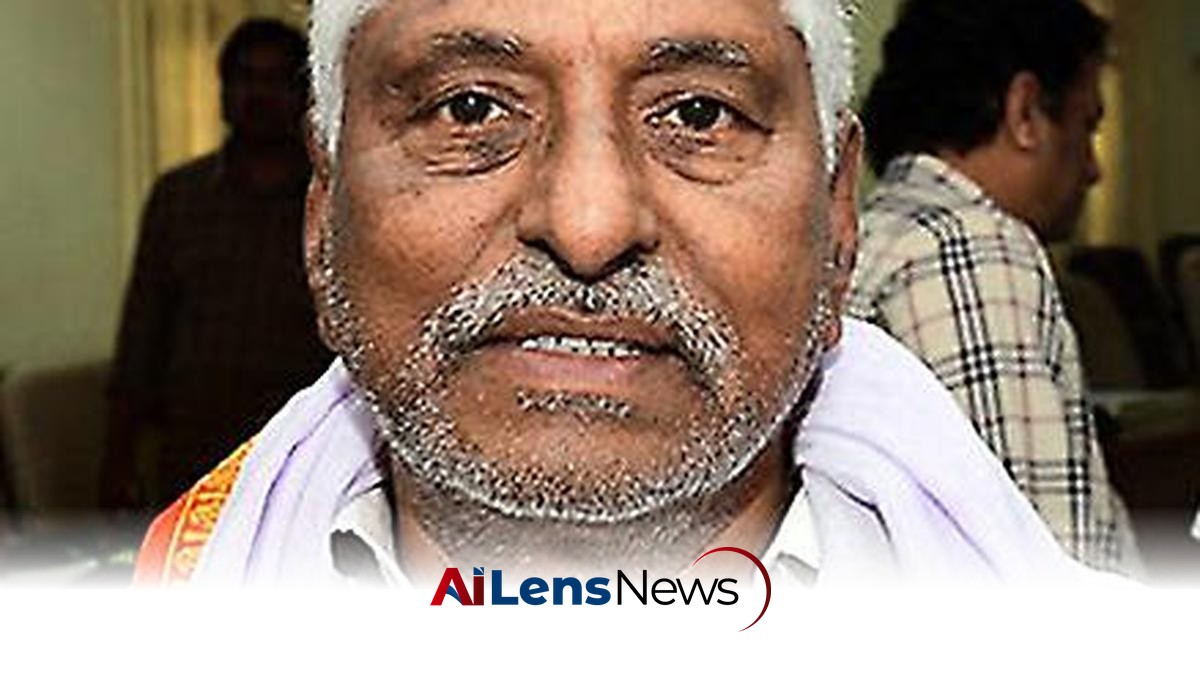


Congress leader T. Jeevan Reddy criticizes the TRS government for its inability to stop the Rayalaseema Lift Irrigation Project, claiming it harms Telangana's water rights.
New Delhi, India Apr 12, 2021 ALN: In a recent statement, senior Congress leader and Member of the Legislative Council (MLC) T. Jeevan Reddy has raised concerns regarding the actions of the Telangana Rashtra Samithi (TRS) government, particularly in relation to the Rayalaseema Lift Irrigation Project (RLIP) initiated by the Andhra Pradesh government. Reddy's allegations highlight a growing tension between the two states over water resources, a critical issue in a region where agriculture and water management are pivotal to the economy and livelihoods of the people.
The RLIP has become a contentious point in the ongoing disputes between Andhra Pradesh and Telangana, particularly since the bifurcation of the state in 2014. The formation of Telangana was largely driven by the demand for equitable distribution of resources, including water from rivers that flow through both states. The Kaleshwaram project, which is a significant irrigation scheme for Telangana, was designed to utilize water from the Godavari River to address the irrigation needs of the state. However, the allegations made by Mr. Reddy suggest that the TRS government has been ineffective in safeguarding Telangana's water rights against the initiatives taken by Andhra Pradesh.
Reddy's assertion that the TRS government is failing to stop the RLIP underscores the complexities of inter-state water disputes in India. The RLIP has been criticized for allegedly violating the riparian rights of Telangana, as well as the allocations set forth by various river water tribunals. These tribunals are established to resolve disputes related to water sharing among states, and their decisions are crucial in determining the legal framework within which states must operate. Reddy’s comments suggest that the TRS government has not only failed to protect Telangana's interests but has also allowed Andhra Pradesh to proceed with projects that could have long-term implications for water availability in Telangana.
Moreover, Reddy pointed out that despite the TRS government's claims about the Kaleshwaram project, the state has not fully utilized its existing water allocations. This raises questions about the efficiency and management of water resources within Telangana itself. The failure to utilize the allocated 2 tmc ft of water daily from the Kaleshwaram project, as mentioned by Reddy, suggests a lack of effective water management strategies in place, which could exacerbate the situation further. The lifting of an additional third tmc ft of water, according to Reddy, appears to be motivated by financial incentives rather than genuine agricultural needs, pointing to a potential mismanagement of resources that could affect farmers in both states.
Reddy's criticism extends to Chief Minister K. Chandrasekhar Rao, whom he accuses of not having the moral authority to seek votes in the Nagarjunasagar constituency due to his perceived inaction regarding the RLIP. This statement reflects the political stakes involved in the water dispute, as water resources are a significant concern for voters, particularly in agrarian communities. The implications of the RLIP could lead to decreased water availability for irrigation in the combined Mahabubnagar and Nalgonda districts, which are already vulnerable to water scarcity.
Furthermore, Reddy's remarks about the COVID-19 pandemic and the proposed public meeting by Chief Minister Rao suggest a broader critique of the TRS government's handling of public health and safety issues. The pandemic has posed significant challenges for governments worldwide, and the appropriateness of public gatherings during such times has been a contentious issue. Reddy's comments indicate that he believes the TRS government is prioritizing political agendas over public safety, which could resonate with constituents who are concerned about health risks.
In addition to the RLIP controversy, Reddy also addressed the incomplete status of the Srisailam Left Bank Canal project, which has remained unfinished even seven years after the formation of Telangana. This project is vital for irrigation and water supply, and its delay raises questions about the TRS government's commitment to fulfilling developmental promises made to the people of the state. The completion of such projects is essential for ensuring sustainable agricultural practices and securing water for future generations.
On a different note, Reddy commented on the announcement by Y.S. Sharmila, the daughter of the late Chief Minister Y.S. Rajasekhara Reddy, regarding her plans to launch a political party in Telangana. He expressed that the Congress party would welcome the emergence of another political entity as a means to foster democratic discourse. Sharmila's intention to revive the legacy of her father, often referred to as 'Rajanna Rajyam' or YSR rule, is significant in the context of Telangana politics, where the legacy of leaders plays a crucial role in shaping party identities and voter sentiments. Reddy's acknowledgment of her efforts to highlight the failures of the TRS government indicates that political competition in Telangana is intensifying, particularly as parties seek to capitalize on public dissatisfaction with the current administration.
Overall, the allegations made by T. Jeevan Reddy against the TRS government reflect the ongoing challenges surrounding water resource management and political accountability in Telangana. As the state continues to navigate the complexities of inter-state relations and the demands of its citizens, the implications of these disputes will likely influence both political dynamics and the livelihoods of those dependent on agriculture and water resources in the region. The situation underscores the necessity for effective governance, transparent water management policies, and collaborative efforts between states to address the pressing issues of water scarcity and agricultural sustainability.
The inter-state water disputes in India, particularly between Andhra Pradesh and Telangana, are not new and have historically been a source of contention. The bifurcation of Andhra Pradesh in 2014 resulted in the creation of Telangana, which brought about significant changes in the distribution of resources, including water. The sharing of river waters, especially from the Krishna and Godavari rivers, has been a contentious issue, with both states claiming rights over the water resources. The establishment of various river water tribunals has aimed to resolve these disputes, but the implementation of their decisions has often been met with challenges.
The RLIP, which aims to lift water from the Krishna River to irrigate agricultural lands in the Rayalaseema region of Andhra Pradesh, has raised alarms in Telangana, where leaders argue that it infringes upon their water rights. The accusations from Reddy highlight a growing frustration among Telangana leaders regarding the perceived inaction of the TRS government in addressing these grievances. This frustration is compounded by the fact that water scarcity is a pressing issue in both states, affecting agriculture, drinking water supply, and overall economic stability.
As the political landscape in Telangana evolves, the role of water resources in shaping electoral outcomes cannot be understated. The upcoming elections will likely see water management and resource allocation take center stage, with parties vying to present themselves as the champions of farmers and agricultural interests. The TRS government's handling of the RLIP and its broader water management strategies will be scrutinized, as voters assess the effectiveness of their leaders in addressing critical issues that impact their daily lives.
In conclusion, the ongoing disputes over water resources between Andhra Pradesh and Telangana underscore the complexities of governance in a region where agricultural livelihoods are deeply intertwined with water availability. The statements made by T. Jeevan Reddy serve as a reminder that effective management of natural resources is essential for political stability and economic sustainability. As both states grapple with the challenges posed by water scarcity, the need for cooperative governance and equitable resource distribution will be crucial in ensuring the welfare of their citizens.
To learn more about the latest developments in Political Controversies, stay updated with our exclusive reports and analyses on AiLensNews.

