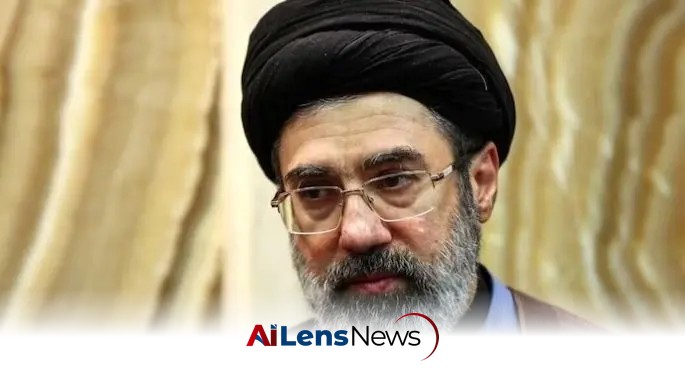


In a powerful statement, Iran's Supreme Leader Mojtaba Khamenei has vowed to avenge the killing of his father, Ayatollah Ali Khamenei, declaring that retribution is the nation's demand.
New Delhi, India Jul 11, 2026 ALN: Tehran: Iran’s Supreme Leader Mojtaba Khamenei has vowed to avenge the killing of his father and predecessor, Ayatollah Ali Khamenei, as he declared that retribution is the "demand of the nation" and would inevitably be carried out. This statement marks a significant moment in Iranian politics, as it not only highlights the ongoing tensions between Iran and the United States but also underscores the deep-seated sentiments surrounding the legacy of the Khamenei family in Iranian governance.
In his first public message since the weeklong funeral ceremonies for Ayatollah Khamenei took place, Mojtaba issued a written statement broadcast on Iranian state television. His words resonate with a nation that has long been embroiled in conflict with the West, particularly the United States and its allies. The call for vengeance is emblematic of a broader narrative within Iranian society that views external forces, particularly the U.S. and Israel, as aggressors that threaten Iranian sovereignty and national pride.
Mojtaba pledged to "avenge the blood" of Khamenei and the "martyrs" killed in what he referred to as the U.S.-Iran war. This statement not only serves to honor his father's legacy but also reinforces the notion of martyrdom that is prevalent in Iranian culture, particularly following the 1979 Islamic Revolution. The concept of martyrdom is deeply rooted in Iranian ideology and is often invoked to galvanize public support for military and political actions.
"We pledge to avenge the blood of the martyred leader and all the martyrs of these two wars from the criminal and disgraced killers," Mojtaba said in the message. This rhetoric is indicative of the Iranian leadership's strategy to frame their conflict with the United States as one of existential significance, where the loss of leaders and citizens is portrayed as a collective tragedy that demands justice.
The vengeance of Iran must "inevitably be carried out", irrespective of his personal existence or that of other officials. "Whether we are present or not, it will come to pass," Khamenei wrote. This assertion suggests a determination to pursue retribution as a matter of national honor, transcending individual leadership. It reinforces the idea that the fight against perceived enemies is a collective responsibility that binds the Iranian populace together.
Mojtaba expressed his gratitude towards the "enemy-shattering" turnout at the funeral ceremonies across Iran and Iraq. His acknowledgment of the public's response reflects the significance of collective mourning in Iranian society. "I extend my heartfelt gratitude for the incredible, enemy-shattering, and historic turnout of tens of millions of people across Iran and Iraq, particularly in Tehran, Qom, Najaf, Karbala and Mashhad," Mojtaba wrote. The mention of cities in both Iran and Iraq highlights the shared religious and cultural ties between the two nations, particularly among Shia Muslims, and serves to reinforce regional solidarity against external adversaries.
The funeral ceremonies of Khamenei were held more than four months after he was killed in the U.S.-Israeli strikes in Tehran on February 28. The timing of these events is critical, as they come amid heightened tensions in the region, particularly regarding Iran's nuclear program and its role in supporting militant groups across the Middle East. The assassination of a prominent leader like Ayatollah Khamenei has significant implications for Iran's internal and external policies, potentially leading to a more aggressive stance against its adversaries.
Ayatollah Ali Khamenei was laid to rest at the Holy Shrine of Imam Reza in Mashhad late on Thursday night. The choice of burial site is symbolic, as the shrine is one of the holiest sites in Shia Islam, representing a connection to the divine and the martyrdom of historical figures in Islamic history. This connection serves to elevate the status of Khamenei as not just a political leader but a martyr in the eyes of his followers, further solidifying the narrative of resistance against oppression.
Trump knows he’s on hit list
A day before Khamenei’s statement, Donald Trump said he has been on Iran’s "list" for a long time. The implications of this acknowledgment are substantial, as it highlights the ongoing threats and tensions that characterize U.S.-Iran relations. "I’ve been on their list for a long time. That’s what we’re dealing with… The only thing is, I’ve left instructions, if anything happens, to just literally bomb them at levels that they’ve never seen before," the U.S. President told the New York Post. Trump's comments reflect a combative stance that has defined his administration's approach to Iran, emphasizing military strength as a deterrent against perceived threats.
When asked about the new plot by Iran to assassinate him that Israel warned about, Trump stated that there were no new plans. "No, no. Israel came up with nothing. No, no… I’ve been No. 1 (on Iran’s kill list) for a long time, and it’s the way life is, you know," Trump said. This interaction illustrates the complex web of international relations where intelligence assessments and political rhetoric can escalate tensions, potentially leading to military confrontations. The mention of Israel's involvement in this narrative further complicates the geopolitical landscape, as it underscores the alliance between the U.S. and Israel against Iran, a relationship that has been a cornerstone of U.S. foreign policy in the Middle East.
At the end of the NATO Summit in Ankara, Trump changed his plans while traveling back to the United States, with the White House later acknowledging it to be a security tactic for the President’s safety. This decision reflects the heightened security concerns surrounding U.S. officials, particularly in light of threats from Iran. The implications of such threats extend beyond individual safety, as they can influence U.S. military and diplomatic strategies in the region.
In summary, Mojtaba Khamenei's vow for retribution following the death of his father is not only a personal commitment but also a political maneuver that seeks to unify the Iranian populace against external threats. The rhetoric surrounding vengeance and martyrdom is designed to strengthen national identity and resolve in the face of adversity. As tensions continue to simmer between Iran and the United States, the implications of these statements and actions will likely reverberate throughout the region, influencing both domestic and international policies in the coming months.
To learn more about the latest developments in Leaders & Politicians, stay updated with our exclusive reports and analyses on AiLensNews.

