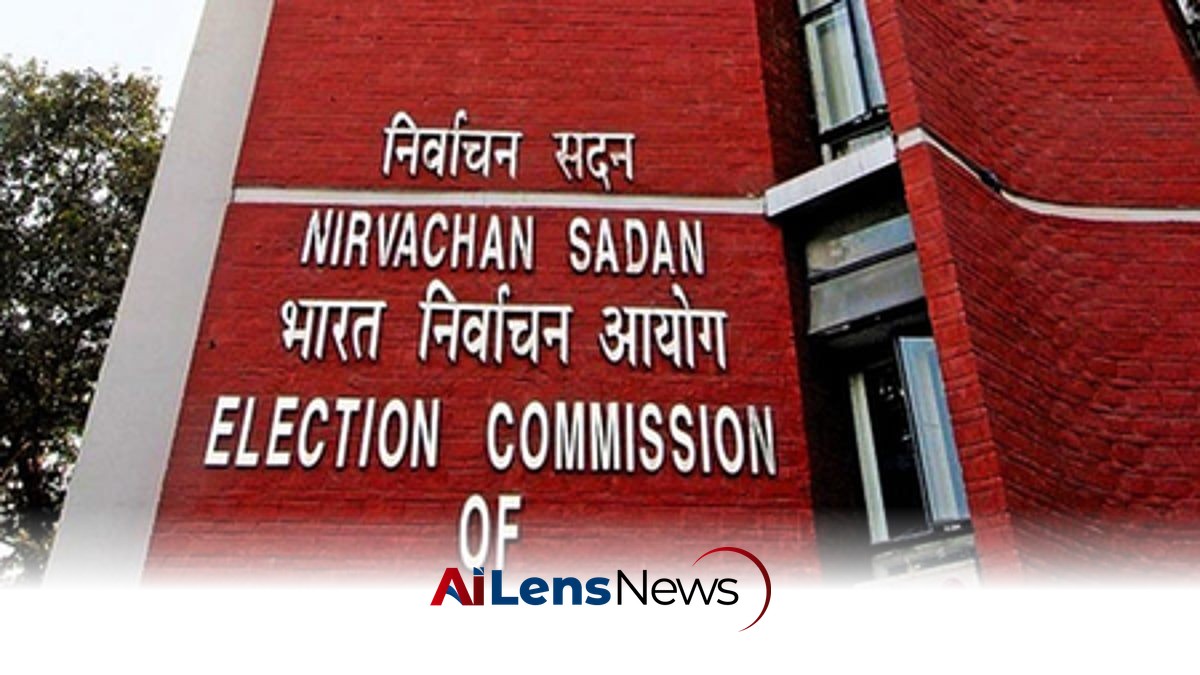


The Election Commission mandates new voters to submit parents' SIR details with Form 6, aiming to streamline the voter registration process.
New Delhi, India Jul 12, 2026 ALN: The Election Commission (EC) has recently announced a new requirement for individuals applying to be included in the voter list. As part of the voter registration process, applicants must now submit their parents' Special Intensive Revision (SIR) details alongside their Form 6 submissions. This development has raised questions about the implications for voter registration and the broader electoral process in India.
The SIR initiative was rolled out in Bihar in June of the previous year, aiming to streamline the process of updating electoral rolls. The introduction of this requirement was made through internal instructions rather than through an amendment to Form 6 itself, which has led to some confusion among potential voters. The EC has clarified that while the form has not been officially amended, new voters must still provide the declaration that includes their parents' SIR details when they submit Form 6.
An official from the Election Commission explained that the inclusion of parental SIR details aids in the mapping of electors, which is crucial for maintaining accurate and up-to-date electoral rolls. By requiring fewer documents from new voters, the EC aims to simplify the registration process, making it more accessible to eligible citizens. This move is part of a broader effort to enhance the efficiency of the electoral system and ensure that all eligible voters can participate in the democratic process.
For those filling out Form 6 online, the process has been designed so that applicants cannot proceed to the next steps until they complete the declaration regarding their parents' SIR details. This requirement may pose challenges for some applicants, particularly those who may not have easy access to the necessary information or documentation regarding their parents' electoral status.
In addition to the new requirements for voter registration, the Election Commission has also been defending the Special Intensive Revision of electoral rolls against concerns raised by various stakeholders, including United Nations rapporteurs. The EC has asserted that the SIR process is conducted with transparency, is constitutional, and has received endorsement from the Supreme Court of India. This defense is critical as it addresses fears regarding the integrity of the electoral process and the rights of voters.
The primary objective of the SIR is to ensure that all eligible Indian citizens are included in the electoral rolls while simultaneously eliminating duplicate entries, deceased individuals, and those who have shifted their residences or are currently abroad. The EC has emphasized the importance of maintaining accurate electoral rolls to uphold the integrity of the democratic process.
However, the process has not been without controversy. Allegations have emerged regarding the large-scale deletion of minority voters from the electoral rolls, particularly in regions such as Nandigram in West Bengal. In response to these allegations, EC officials have stated that voters have been given ample opportunities to challenge any exclusions they may face. They have categorically denied any bias in the process and reaffirmed their commitment to a fair electoral system.
The concerns raised by UN Special Rapporteurs regarding the SIR process highlight the ongoing scrutiny of electoral practices in India. These concerns focus on the transparency of the process and the potential for disenfranchisement of certain voter groups, particularly minorities. The Election Commission's response to these allegations is crucial in maintaining public trust in the electoral system and ensuring that all citizens feel represented in the democratic process.
As the electoral landscape in India continues to evolve, the implications of these new requirements and the SIR process will be closely monitored. The success of these initiatives will depend on the Election Commission's ability to balance the need for accurate voter registration with the rights of individuals to participate in elections without undue barriers. The upcoming electoral cycles will serve as a critical test for the EC as it navigates these challenges and strives to uphold the principles of democracy in India.
In conclusion, the mandate for parents' SIR details in voter registration reflects the Election Commission's ongoing efforts to refine the electoral process and ensure its integrity. However, the concerns surrounding transparency and potential biases must be addressed to foster confidence among voters. As the EC moves forward with these initiatives, the implications for voter participation and representation will be significant, warranting close attention from all stakeholders involved in the democratic process.
To understand the significance of the SIR requirement, it is essential to delve deeper into the context of electoral rolls in India. The electoral rolls are lists of eligible voters in a given area, maintained by the Election Commission. They are crucial for conducting free and fair elections, as they determine who can participate in the electoral process. Accurate electoral rolls are vital for democracy, ensuring that every eligible citizen has the right to vote and that the electoral process reflects the will of the people.
The SIR initiative was introduced as a response to various challenges faced by the Election Commission in maintaining the integrity of electoral rolls. Over the years, issues such as duplicate entries, inaccuracies, and outdated information have plagued the electoral process. The SIR aims to address these issues by conducting comprehensive audits and revisions of the electoral rolls, ensuring that they are current and accurate.
One of the key features of the SIR process is its focus on inclusivity. By requiring parents' details, the EC hopes to create a more robust mapping of electors, linking new voters to their familial backgrounds. This could potentially help in identifying and including individuals who might otherwise be overlooked in the registration process. However, it also raises questions about privacy and the extent to which individuals should be required to disclose family information in order to exercise their democratic rights.
Moreover, the requirement for parents' SIR details may disproportionately affect certain demographics, particularly young voters or first-time registrants who may not have access to their parents' electoral information. This raises concerns about potential barriers to entry into the electoral process, particularly for marginalized groups who may already face challenges in accessing voting rights.
As the EC implements this new requirement, it is crucial for them to provide adequate support and resources to assist applicants in navigating the voter registration process. This includes ensuring that information about the SIR process is widely disseminated and that assistance is available for those who may struggle to obtain the necessary details. Additionally, the EC must be transparent about how the data collected will be used and protected to alleviate concerns regarding privacy and data security.
The implications of these changes extend beyond the immediate voter registration process. They reflect broader trends in governance and electoral practices in India. As the country grapples with issues of representation, inclusion, and transparency, the actions of the Election Commission will be closely scrutinized by various stakeholders, including political parties, civil society organizations, and international observers.
In the context of ongoing debates about electoral reforms, the SIR initiative and the requirement for parents' details can be seen as part of a larger conversation about how to strengthen democracy in India. Ensuring fair and inclusive electoral practices is paramount for fostering public trust in the political system and encouraging citizen engagement in the democratic process.
Ultimately, the success of the SIR initiative and the new voter registration requirements will hinge on the Election Commission's ability to address the concerns raised by various stakeholders while maintaining the integrity of the electoral process. As India approaches its next elections, the effectiveness of these measures will be put to the test, and the outcomes will have far-reaching implications for the future of democracy in the country.
To learn more about the latest developments in Elections, stay updated with our exclusive reports and analyses on AiLensNews.

