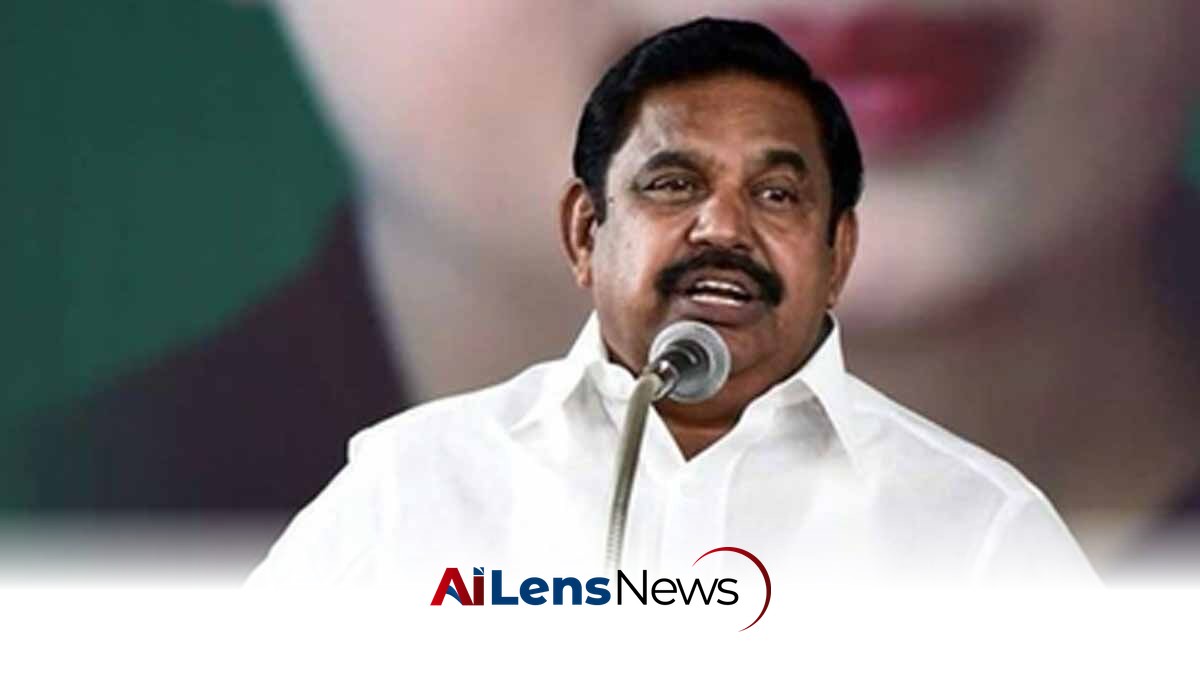


As the deadline for condoning actions of 25 AIADMK MLAs who supported the TVK government approaches, signs of reconciliation within the party are emerging.
New Delhi, India May 25, 2026 ALN: Chennai: The political landscape in Tamil Nadu is witnessing a potential shift as the deadline approaches for 25 AIADMK MLAs who previously defied party directives to back the Thalapathy Vetrivel Katchi (TVK) government during a crucial trust vote held on May 13. The 15-day grace period for the AIADMK leadership to condone these actions is set to conclude on May 27, and signs indicate that both factions within the AIADMK may be seeking a resolution to avert further political turmoil and legal repercussions.
The rebellion among the MLAs has significantly unsettled the AIADMK, a party that has historically been a dominant force in Tamil Nadu politics. The AIADMK, founded in 1972 by M.G. Ramachandran, has been a key player in the state's political arena, often characterized by its strong grassroots support and a legacy of charismatic leadership. However, the party's internal crisis was ignited when these 25 MLAs chose to support the TVK government, which was contrary to the explicit instructions issued by the AIADMK leadership to vote against it. This defiance not only challenged party discipline but also raised serious concerns regarding the implications of the anti-defection law, which could lead to disqualification of the MLAs involved unless the party formally condones their actions within the specified timeframe.
Political analysts and legal experts have underscored the gravity of the situation, emphasizing that the anti-defection law is designed to maintain party integrity and prevent political opportunism. Enacted in 1985, the law seeks to deter legislators from switching parties for personal gain, thereby promoting stability within the political system. Under this law, legislators who contravene party directives risk losing their seats unless they can secure a pardon from the party leadership. This requirement places immense pressure on both the rebel MLAs and the party leadership to engage in dialogue aimed at reconciliation.
Insiders within the AIADMK, particularly those aligned with General Secretary Edappadi K. Palaniswami (EPS), suggest that a reconciliation process may involve the rebel MLAs formally expressing remorse for their actions. Following this, they would need to communicate with the Assembly Speaker to seek the withdrawal of any disqualification proceedings initiated against them. This step is crucial, as it would not only help the rebel MLAs retain their positions but also restore a semblance of unity within the party.
The willingness of several MLAs from the dissenting faction to rejoin the mainstream leadership has been reported, signaling a potential thaw in the ongoing rift. Many of these legislators are currently engaging with voters in their constituencies, which may provide them with a clearer perspective on the political ramifications of their actions. As they return to the party fold, discussions with the leadership are anticipated in the coming days, potentially paving the way for a resolution. This grassroots engagement is particularly important in Tamil Nadu, where voter sentiment can significantly influence political dynamics.
Furthermore, the AIADMK leadership is acutely aware of the implications of pursuing disqualification proceedings against the rebel MLAs. Such actions could inadvertently bolster the ruling TVK government by reducing the effective strength of the Assembly. A diminished Assembly would lower the threshold for the majority required for the government to maintain its hold on power, thereby complicating the political dynamics further. Historically, the AIADMK has faced challenges in maintaining a cohesive front, especially in the face of dissent, and the current situation underscores the delicate balance the party must strike between discipline and reconciliation.
In the meantime, sources close to the TVK have indicated that there is no fixed deadline for the Speaker to rule on disqualification petitions. This ambiguity allows for a prolonged period of legal scrutiny and political maneuvering, which could influence the decisions made by the AIADMK leadership and the rebel MLAs. The absence of a clear timeline may serve as a double-edged sword, providing the AIADMK with room to negotiate while simultaneously allowing the TVK to consolidate its power without immediate threat.
Amidst these developments, discussions regarding reconciliation measures have surfaced. These measures reportedly include the reinstatement of district secretaries who were removed from their positions during the factional disputes, as well as the withdrawal of petitions filed with both the Assembly Speaker and the Election Commission. Such steps could serve to mend fences and restore party unity. The AIADMK's ability to navigate these internal disputes will be crucial as it prepares for future electoral challenges, particularly against an increasingly competitive backdrop.
Adding to the speculation of a potential reconciliation, senior AIADMK leader S.P. Velumani has publicly asserted that there are no disputes within the party, reinforcing the position of Edappadi K. Palaniswami as the party's General Secretary. Velumani's statements come at a time when there are calls for an early general council meeting, which could serve as a platform for addressing internal grievances and reaffirming party solidarity. Such gatherings have historically played a vital role in shaping the party's direction and fostering unity, especially in times of crisis.
The AIADMK has a storied history in Tamil Nadu politics, often characterized by intense rivalries and power struggles. The party has seen its share of leadership changes, factional disputes, and realignments, particularly following the death of its long-time leader J. Jayalalithaa in 2016. The current situation reflects not only the internal dynamics of the party but also the broader political landscape in the state. The outcome of this rift could have significant implications for the party's future, particularly as it seeks to regain its footing in a political environment that has become increasingly competitive with the rise of the TVK and other parties such as the DMK, which has historically been a formidable opponent.
As the deadline approaches, the actions taken by the AIADMK leadership, the rebel MLAs, and the ruling TVK will be closely monitored by political observers. The resolution of this internal conflict could set the tone for the party's strategy in the upcoming elections and its ability to maintain relevance in Tamil Nadu's evolving political scenario. The stakes are high, and the decisions made in the coming days will likely reverberate throughout the state's political landscape for the foreseeable future. The AIADMK's ability to address its internal challenges effectively will be crucial not only for its survival but also for its aspirations to reclaim its status as a leading political force in Tamil Nadu.
To learn more about the latest developments in Political Parties, stay updated with our exclusive reports and analyses on AiLensNews.

