

The PML-N has won 14 out of 18 contested seats in the second phase of the AJK elections, while the PPP secured only four, amidst allegations of electoral malpractice.
Islamabad, Pakistan Aug 3, 2026 ALN: The political landscape of Azad Jammu and Kashmir (AJK) has been significantly shaped by the recent elections, wherein the Pakistan Muslim League-Nawaz (PML-N) has secured 14 out of the 18 contested seats in the second phase of the elections. The Pakistan Peoples Party (PPP) managed to win only four seats, as per unofficial results released by the Election Commission. These results highlight a notable shift in voter sentiment and party strength within the region, raising questions about the electoral process and the implications for governance in AJK.
This election phase took place in a context marked by challenges, including severe weather conditions that hampered the electoral process. Polling was postponed in critical areas such as LA-27 Muzaffarabad-I (Kutla) and at 71 of the 174 polling stations in LA-28 Muzaffarabad-II (Lachhrat). Landslides and adverse weather conditions led to blocked roads, preventing polling staff and election materials from reaching their designated locations. This disruption in the electoral process underscores the logistical difficulties often faced in mountainous regions like AJK, which can complicate the administration of elections.
The Chief Election Commissioner, Justice (retd) Ghulam Mustafa Mughal, addressed the media in Muzaffarabad to announce the unofficial results, which indicated a strong showing for the PML-N. The results of the 18 contested seats were eagerly anticipated, given the political stakes involved. The PML-N’s success in this phase follows a similar pattern observed in the first phase of elections held in July, where they won nine out of 13 seats while the PPP secured four. This trend raises concerns about the balance of power between these two major political parties in AJK, particularly as they are allies at the central level in Pakistan.
The elections in AJK are being conducted in three phases, primarily due to security concerns that have historically plagued the region. The second phase involved polling in seven seats of the Muzaffarabad division and 12 seats designated for refugees from Indian-occupied Kashmir. The third phase is set to cover 11 constituencies in the Poonch division, further emphasizing the segmented nature of the electoral process in AJK.
Following the elections, the PPP raised serious allegations against the PML-N, accusing them of engaging in electoral malpractices, including rigging and violence. These claims echo similar accusations made during the first phase of elections, where the PPP also expressed concerns about the integrity of the electoral process. The repeated allegations of misconduct suggest a troubling pattern that could undermine public confidence in the electoral system in AJK.
Reports of violence during polling day further compounded these allegations. In particular, clashes were reported in LA-31, Muzaffarabad-V (Khawra), where supporters of the PML-N and PPP engaged in violent confrontations. The situation escalated to the point where the PPP claimed that one of its workers, Syed Mushtaq Shah, was killed by PML-N supporters. The PML-N has vehemently denied this claim, asserting that the individual suffered a cardiac arrest during a scuffle. The lack of independent verification for either claim highlights the contentious atmosphere surrounding the elections and the potential for violence to disrupt democratic processes.
Additionally, Chaudhry Latif Akbar, a candidate from the PPP and the Speaker of the AJK Legislative Assembly, formally lodged complaints with the AJK Chief Election Commissioner. He cited security lapses, incidents of gunfire, and interference in polling as significant issues that marred the electoral process. Akbar also reported an assassination attempt against him, which resulted in injuries to his associate, Advocate Syed Mumtaz Hussain Naqvi. These serious allegations, if substantiated, could prompt calls for investigations and legal accountability, further complicating the political landscape in AJK.
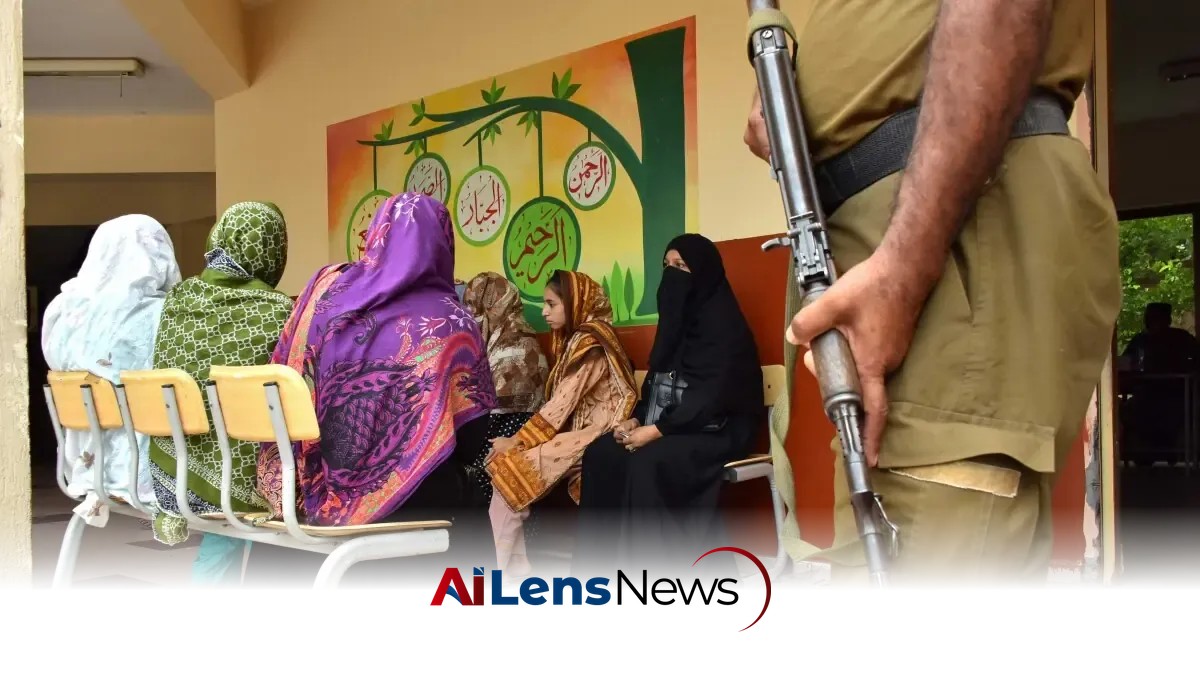
Outside of AJK, the elections also included provisions for Kashmiris residing in other regions of Pakistan to vote for candidates vying for refugee seats. Polling stations were established in various cities, including Chakwal, Jhelum, Rawalpindi, and Islamabad, among others. However, the turnout in these areas was notably low, which raises questions about voter engagement and the perceived legitimacy of the electoral process among the diaspora.
In Mohmand, for instance, not a single voter attended the polling station designated for AJK elections, while in Dera Ghazi Khan, only one female voter participated. Such low turnout rates may reflect disillusionment among the electorate or a lack of awareness regarding the importance of these elections. It could also indicate a broader trend of apathy towards the political processes that govern their representation and rights.
The refugee seats, which are a critical component of the electoral framework in AJK, have been a point of contention. Seven of the 12 designated refugee seats are located in Punjab, with others distributed across Khyber Pakhtunkhwa, Sindh, and Balochistan. The complexities of representing refugees from Indian-occupied Kashmir in the AJK legislature add another layer of difficulty to the electoral process, particularly as debates continue over the legitimacy and necessity of these seats.
The political climate in AJK has also been influenced by protests led by the Joint Awami Action Committee (JAAC), which has been advocating for the abolition of the 12 refugee seats in the AJK legislature. These protests have been marked by violence and unrest, reflecting the deep-seated frustrations within certain segments of the population regarding representation and governance. The calls for reform by groups like the JAAC highlight the ongoing struggles for political agency among the residents of AJK, particularly in light of the recent electoral outcomes.
In conclusion, the recent elections in AJK have not only reshaped the political landscape but have also underscored the challenges facing the electoral process, including allegations of rigging, violence, and low voter engagement. As the region moves towards the third phase of elections, it remains to be seen how these dynamics will evolve and what implications they will have for governance and political stability in AJK. The ongoing debates surrounding representation, particularly concerning refugee seats, will likely continue to be a contentious issue in the political discourse of the region.
To learn more about the latest developments in Elections, stay updated with our exclusive reports and analyses on AiLensNews.

