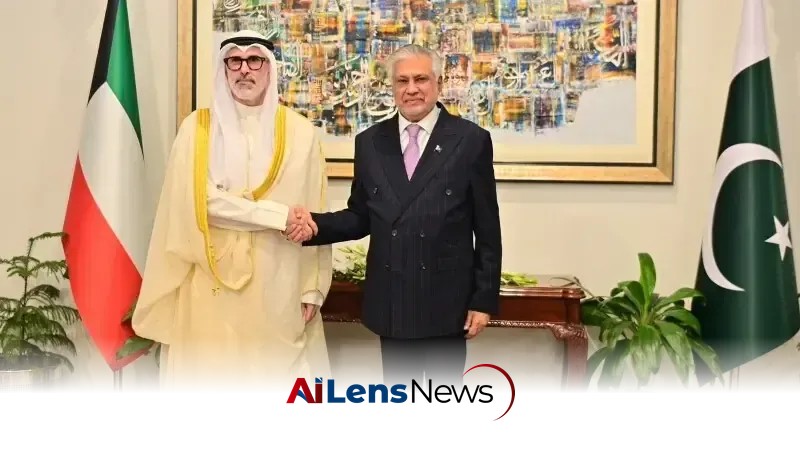


Pakistan has expressed approval of Kuwait's ratification of a 2023 defence cooperation agreement, marking a significant milestone in their longstanding partnership.
Islamabad, Pakistan Jul 30, 2026 ALN: Pakistan has welcomed Kuwait’s ratification of a 2023 defence cooperation agreement between the two countries, the Foreign Office (FO) said on Wednesday. This agreement is significant as it highlights the strengthening of ties between Pakistan and Kuwait, which have a long-standing relationship rooted in mutual respect and collaboration.
In a statement responding to media queries, FO spokesperson Dr Tahir Andrabi emphasized that the agreement marks “another important milestone in the longstanding defence partnership between the two brotherly countries, dating back to the early 1980s.” This historical context is crucial, as it showcases the depth of the relationship that has been cultivated over the decades. The defence ties have been nurtured through various avenues, including military cooperation, training programs, and joint exercises.
“It also reflects the shared resolve of both sides to further strengthen bilateral defence cooperation and elevate their security partnership,” Andrabi was quoted as saying. This statement underscores the commitment from both nations to enhance their collaborative efforts in the realm of defense, a priority that is increasingly relevant in the context of regional security dynamics.
The agreement provides a comprehensive institutional framework to broaden defence cooperation, encompassing military training, joint exercises, exchanges of expertise, and “other mutually agreed areas of collaboration.” This broad scope of collaboration indicates that both countries are looking to not only strengthen their military capabilities but also share knowledge and best practices that can lead to improved operational effectiveness.
“It will further enhance institutional linkages between the armed forces of both countries and consolidate the longstanding defence ties between Pakistan and Kuwait,” the statement read. This institutional linkage is vital as it helps to facilitate communication and cooperation between the two militaries, ensuring that they are well-prepared to address any potential challenges that may arise.
The FO added that Pakistan and Kuwait would continue to work closely to implement the pact in accordance with its provisions, thereby “expanding bilateral defence collaboration, strengthening their enduring defence partnership underpinned by mutual trust, shared interests, and close institutional cooperation and contributing to regional peace, security and stability.” This commitment to regional stability is particularly important given the complex security environment in the Middle East and South Asia, where both countries operate in a landscape characterized by geopolitical tensions.
The statement came as Kuwait’s Foreign Minister Sheikh Jarrah Jaber Al-Ahmad Al-Sabah concluded his visit to Pakistan. His visit is indicative of the high-level diplomatic engagement between the two nations, which is essential for fostering deeper ties and understanding. During his visit, the Kuwaiti FM held separate meetings with Prime Minister Shehbaz Sharif, Chief of Defence Forces (CDF) Field Marshal Asim Munir, and Deputy Prime Minister and FM Ishaq Dar. These meetings reflect the seriousness with which both countries approach their defence relationship and the importance they place on high-level discussions to facilitate cooperation.
In a statement on Dar’s meeting with the Al-Sabah, the FO noted that the deputy premier emphasized that the defence cooperation agreement between their countries would further strengthen institutional links between both nations’ militaries. This focus on institutional strengthening is critical, as it lays the groundwork for more effective collaboration and coordination in times of need.
The pact was signed on June 11, 2023, at Kuwait’s Ministry of Defence by then-ambassador Malik Muhammad Farooq on behalf of Pakistan, and Brigadier General Fawaz Khudair Muhammad Al-Harbi, the ministry’s joint planning director, from the Kuwaiti side, according to the FO. The formal signing of the agreement is an important step in the process of cementing the understanding reached by both sides and moving towards practical implementation.
Pakistan has been negotiating an expanded defence pact with Kuwait in exchange for energy cooperation and investment, as reported earlier this month by the Reuters news agency, citing five sources with knowledge of the talks. This aspect of the negotiations highlights the multifaceted nature of the relationship between the two countries, where defence cooperation is intricately linked to economic and energy considerations. The potential for energy cooperation is particularly significant for Pakistan, which is looking to diversify its energy sources and enhance its energy security.
The implications of this defence cooperation agreement extend beyond the bilateral relationship between Pakistan and Kuwait. In a broader regional context, the strengthening of military ties can be seen as a response to the evolving security landscape in the Middle East, where various state and non-state actors pose challenges to stability. By enhancing their defence capabilities and cooperation, both countries are positioning themselves to better address potential threats and contribute to regional security initiatives.
Furthermore, this agreement may encourage other nations in the region to explore similar partnerships, as countries increasingly recognize the importance of collective security arrangements in a world marked by uncertainty. As Pakistan and Kuwait move forward with the implementation of this pact, it will be crucial for both nations to remain vigilant and responsive to the changing dynamics in their respective regions.
In conclusion, the ratification of the defence cooperation pact between Pakistan and Kuwait marks a significant step in the evolution of their bilateral relationship. With a shared commitment to enhancing defence collaboration and contributing to regional stability, both countries are poised to navigate the complexities of the contemporary security environment together. As they embark on this journey, the focus will undoubtedly be on practical implementation and the realization of the mutual benefits that such a partnership can yield.
To learn more about the latest developments in Elections, stay updated with our exclusive reports and analyses on AiLensNews.

