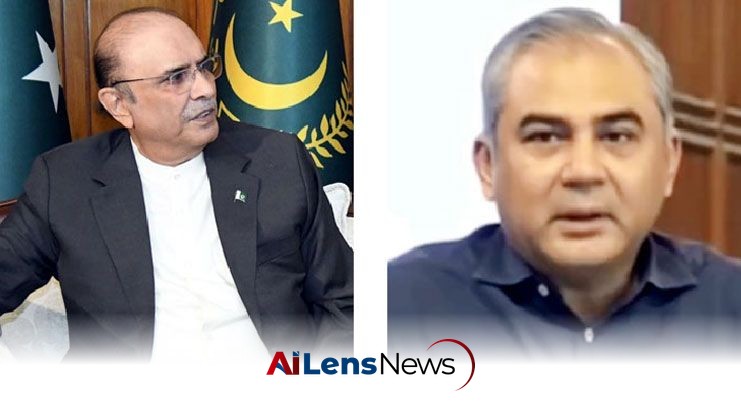


Federal Interior Minister Mohsin Naqvi emphasizes the need for new administrative units and structural reforms to enhance governance and public service delivery in Pakistan.
Islamabad, Pakistan Jul 31, 2026 ALN: Federal Interior Minister Mohsin Naqvi on Thursday called for the creation of new administrative units to improve governance and public service delivery, urging political parties to forge a national consensus on structural reforms instead of relying on short-term measures. His remarks highlight a growing concern among political leaders and citizens alike regarding the effectiveness of Pakistan's current governance model.
Addressing the 1st Economic Summit 2026 in Islamabad, Naqvi argued that Pakistan’s governance model had become ineffective and required fundamental reforms to meet the needs of citizens and support economic growth. His comments come at a time when the country faces numerous challenges, including economic instability, political discord, and social unrest. The need for reform is underscored by the complexities of governance in a nation marked by diverse ethnicities, languages, and regional disparities.
“The system in which we are living has collapsed,” Naqvi said, adding that while he remained a strong supporter of democracy, the country needed to reform its administrative structure within the democratic framework. This statement reflects a critical view of the existing bureaucratic setup, which many believe has failed to deliver effective governance and has contributed to widespread disillusionment among the populace.
He emphasized that public services, justice, and decision-making must be brought closer to the people by devolving administrative authority. This call for decentralization is not new; it echoes the demands of various political groups and civil society organizations that have long advocated for more localized governance structures. Naqvi's assertion that “you have to take the system to administrative units or provinces, whatever name you want to give them” suggests a willingness to explore innovative governance models that could potentially enhance citizen engagement and accountability.
“Until governance is brought closer to the people, ownership will not develop and new leadership will not emerge,” he said. This statement touches on the critical issue of political representation and the need for local leaders who understand the unique challenges faced by their communities. By advocating for new administrative units, Naqvi is suggesting a pathway to empower local populations and foster a sense of ownership over governance processes.
The interior minister urged all political parties to sit together and agree on creating new administrative units, saying such reforms were essential to improve governance, generate employment, and strengthen merit-based institutions. The idea of a national consensus is particularly important in Pakistan’s fragmented political landscape, where partisan divisions often hinder meaningful dialogue and progress on key issues.
He noted that Pakistan’s youth were not seeking handouts but demanded merit, justice, and equal economic opportunities. “They are not asking for tablets or small stipends. They want jobs on merit and opportunities,” he said. This statement resonates with a younger demographic that has become increasingly vocal about their aspirations for a fair and equitable society. The youth of Pakistan, who make up a significant portion of the population, are looking for systemic changes that will allow them to thrive in a competitive job market.
Naqvi also criticized the federal government’s growing dependence on borrowing, saying the country continued to prepare budgets with financing gaps instead of addressing structural weaknesses. This critique highlights the fiscal challenges that Pakistan faces, particularly in light of rising public debt and economic pressures exacerbated by global economic conditions and domestic policy failures. The reliance on borrowing has raised concerns about the sustainability of public finances and the potential long-term implications for economic growth.
He urged the business community to actively push for governance reforms and play a greater role in politics, saying entrepreneurs possessed the management skills needed to improve public administration. This call to action for the business sector underscores the importance of private sector engagement in governance. Entrepreneurs and business leaders can bring valuable perspectives and expertise to the table, potentially leading to more effective and responsive governance structures.
Drawing comparisons with other countries, Naqvi noted that India had increased its number of states since independence, while Indonesia also had a larger number of provinces, arguing that Pakistan should not hesitate to debate similar administrative reforms. This comparison serves to contextualize his argument within a broader international framework, suggesting that Pakistan could learn from the experiences of its neighbors. The successful decentralization efforts in other countries provide a blueprint that could be adapted to Pakistan’s unique circumstances.
He called for a nationwide discussion on the proposal in parliament, universities, and the media, saying the final decision should reflect the will of the people. “If the people want power centres closer to them, then it should be done. If they don’t, then it shouldn’t,” he said. This emphasis on public consultation and democratic engagement is crucial for ensuring that any proposed reforms are not only effective but also widely accepted by the populace.
Naqvi pledged his support for initiatives aimed at improving governance and said he was prepared to work with the business community, legal fraternity, and political leadership to pursue reforms through consensus. This commitment to collaboration is essential in a political environment often characterized by division and partisanship. By fostering dialogue among various stakeholders, Naqvi aims to build a coalition for reform that transcends traditional political boundaries.
Separately, President Asif Ali Zardari Thursday said the entire nation stands firmly behind the country’s security forces in the fight against terrorism and in efforts to establish lasting peace across Pakistan. This statement underscores the ongoing security challenges that Pakistan faces, particularly in regions like Khyber Pakhtunkhwa and Balochistan, where militant activity has historically been prevalent.
President Asif Ali Zardari made the remarks during a meeting with Naqvi at his residence in Karachi. The meeting focused on the country’s overall law and order situation, with particular attention given to the security challenges in Khyber Pakhtunkhwa and Balochistan. Naqvi briefed Zardari on ongoing counter-terrorism operations and the latest security developments across the country. The collaboration between political leaders and security agencies is crucial for addressing the multifaceted threats posed by terrorism and ensuring the safety of citizens.
President Zardari paid tribute to the bravery, professionalism, and sacrifices of the Pakistan Armed Forces, law enforcement agencies, and the police in their continued efforts to combat terrorism. He said the nation remained united in supporting the security forces as they worked to eliminate terrorism and ensure durable peace. This sentiment reflects a broader national consensus on the importance of security in maintaining stability and fostering economic growth.
The meeting also included a detailed discussion on the country’s current political situation, while both leaders exchanged views on other important matters of national interest. The interplay between governance reforms and security issues is a critical area of focus for Pakistan as it navigates a complex socio-political landscape. The outcomes of these discussions could have significant implications for the future trajectory of governance and public service delivery in the country.
To learn more about the latest developments in Elections, stay updated with our exclusive reports and analyses on AiLensNews.

