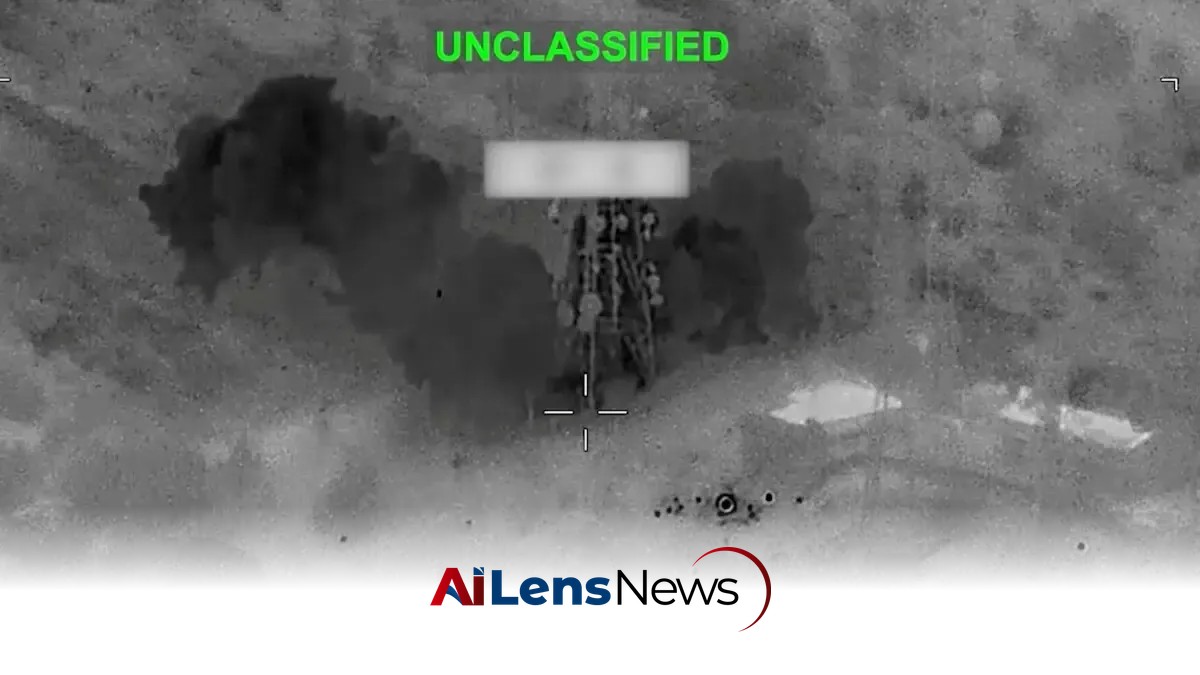


Iran has intensified its military actions against US allies in the Gulf following a series of US strikes, raising tensions in the region after a failed ceasefire.
Islamabad, Pakistan Jul 18, 2026 ALN: The recent escalation of military actions between Iran and the United States has intensified concerns among Gulf states and the international community. Following a week of heightened tensions and the collapse of a fragile ceasefire agreement, Iran has renewed its attacks on U.S. Gulf allies, marking a significant turning point in the ongoing conflict. The situation has been exacerbated by a series of U.S. strikes targeting Iranian military sites, which included critical logistics infrastructure, and has raised alarms about the potential for an all-out war in the region.
The backdrop to these events is a long-standing and complex relationship between the U.S. and Iran, characterized by mutual distrust and hostility. The U.S. has maintained a military presence in the Gulf region for decades, which it claims is necessary for the security of its allies and the stability of global oil markets. Conversely, Iran views U.S. military operations in the region as a direct threat to its sovereignty and has often reacted with aggressive posturing and military maneuvers.
In the latest developments, both Iran and the U.S. have engaged in aggressive tactics aimed at shipping traffic in the strategically vital Strait of Hormuz. The U.S. has claimed to enforce a naval blockade, while Iran has responded by targeting vessels it accuses of violating its navigation rules. The Strait of Hormuz is crucial for global oil transportation, with approximately one-fifth of the world’s oil supply passing through this narrow waterway. Any disruption in this area can have significant implications for global oil prices and economic stability.
The immediate economic impact of these escalations has been felt in the global oil market, with prices climbing over four percent on Friday, reaching their highest levels in over a month. This spike in oil prices is particularly concerning for the U.S. administration, as it puts additional political pressure on President Donald Trump, especially with the upcoming congressional elections in November. Rising fuel prices can lead to public discontent, making it a critical issue for the ruling party.
As the U.S. and Iran continue to test the limits of their military capabilities, the potential for a broader conflict looms large. The U.S. military’s Central Command reported that its recent attacks included strikes on surveillance sites, military logistics infrastructure, underground weapons storage, and maritime capabilities, utilizing a range of assets, including fighter aircraft, aerial drones, and warships. The U.S. has emphasized that over 50,000 American service members are currently deployed across the Middle East, maintaining a posture of readiness and vigilance.
In retaliation, Iranian media reported missile strikes on critical infrastructure in the southern city of Jask, including power facilities and desalination pumps. This attack reportedly resulted in a disruption of drinking water supplies to local villages, highlighting the potential humanitarian consequences of the ongoing military actions. The targeting of civilian infrastructure raises serious concerns about the implications for ordinary citizens caught in the crossfire of this conflict.
In the maritime domain, the U.S. has asserted that it redirected four commercial vessels, disabled one, and boarded another as part of its enforcement of the naval blockade against Iran. In response, Iran’s Revolutionary Guards claimed to have intercepted four vessels violating their shipping regulations, employing a combination of missile and drone operations. The situation in the Strait of Hormuz remains precarious, with both sides engaging in aggressive posturing that could easily escalate into more significant confrontations.
Additionally, Iranian media reported explosions involving oil tankers that allegedly passed through a mined route south of the Strait, although the U.S. military dismissed these reports as false. This exchange of accusations further complicates the already tense situation and underscores the challenges of verifying information in a conflict zone where propaganda plays a significant role.
The security situation in the region is further complicated by the seizure of another vessel off the coast of Yemen, raising alarms about the safety of maritime traffic in the Red Sea, another critical chokepoint for oil shipments. The ongoing instability in Yemen, exacerbated by the civil war and Iranian involvement, presents additional risks to shipping routes and regional security.
The Iranian Revolutionary Guards have made it clear that they will not allow the export of chemical fertilizers or oil and gas from the region until what they term U.S. "aggression" ceases. This statement underscores Tehran's determination to resist U.S. pressure and its willingness to escalate military operations in response to perceived threats.
In a broader context, Mohsen Rezaei, an adviser to Iran’s supreme leader, issued a warning against further U.S. escalation or attempts to seize Iranian territory, indicating that Iran is prepared to defend its interests vigorously. The Iranian military's claims of targeting U.S. military installations in Kuwait and Jordan signal a willingness to extend the conflict beyond Iran's borders, which could have severe repercussions for regional stability.
The United Nations Secretary-General Antonio Guterres expressed concern over the escalation of violence, particularly the attacks on civilian infrastructure in Iran and elsewhere in the region. The targeting of infrastructure not only raises humanitarian concerns but also threatens to destabilize the region further, potentially leading to wider conflicts that could involve multiple countries.
As the U.S. continues its military operations, officials have suggested that these attacks are designed to provide President Trump with a range of options for responding to Iranian provocations. However, such military actions risk provoking Iran to retaliate against vulnerable Gulf states or to leverage its allies in Yemen to disrupt global energy supplies further. The potential for a broader regional conflict remains a significant concern as both sides navigate this volatile landscape.
In conclusion, the current escalation of hostilities between Iran and the U.S. presents a complex and dangerous situation for the Gulf states and the international community. With both sides engaged in aggressive military actions and rhetoric, the risk of miscalculation and unintended consequences looms large. As the situation evolves, the implications for regional stability, global oil markets, and humanitarian conditions will need to be closely monitored to prevent further escalation and to seek pathways toward de-escalation and dialogue.
To learn more about the latest developments in Political Controversies, stay updated with our exclusive reports and analyses on AiLensNews.

