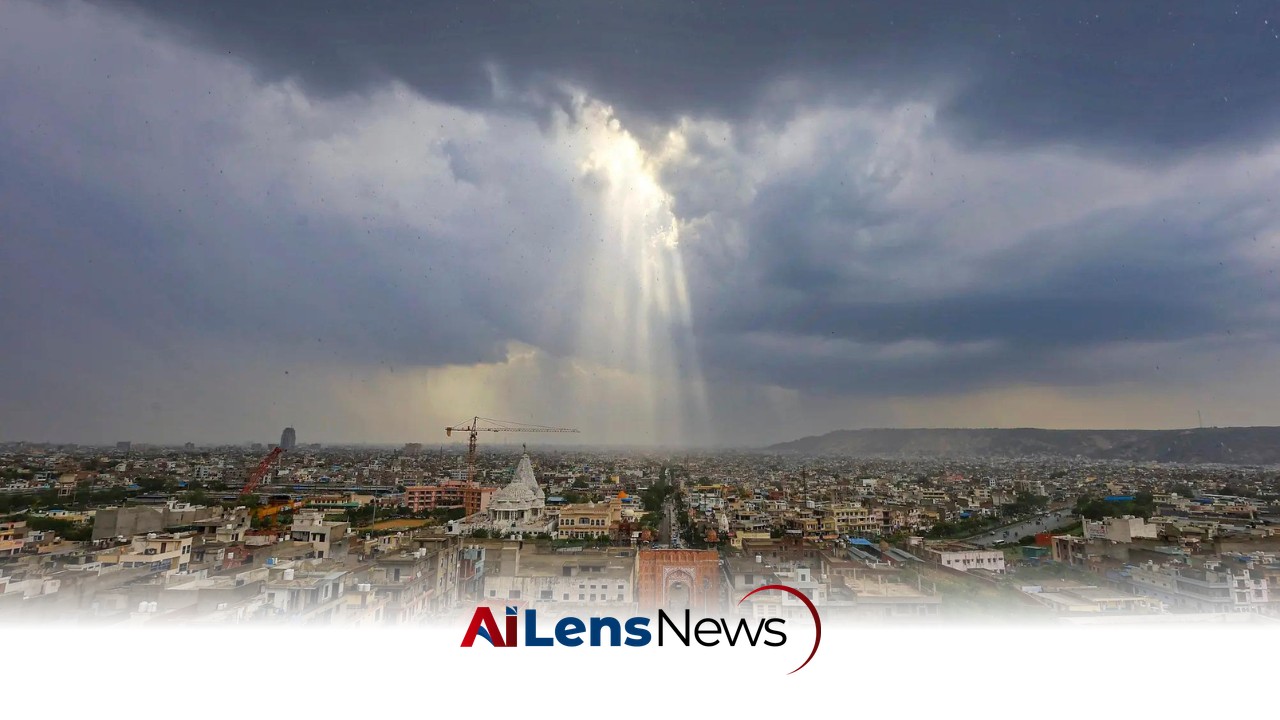


A low-pressure system over the Bay of Bengal is expected to enhance rainfall across central and western regions, with authorities on alert for extreme weather.
New Delhi, India Jul 5, 2026 ALN: The n Meteorological Department (IMD) has announced that a low-pressure system forming over the Bay of Bengal is expected to significantly enhance rainfall across central and western regions over the next five days. This weather pattern is anticipated to alleviate the rainfall deficit that many areas have been experiencing, particularly during the crucial monsoon season.
The monsoon season in , which typically runs from June to September, is vital for the country's agriculture, as it provides the majority of the annual rainfall that farmers rely on for their crops. The current low-pressure system is a welcome development for many farmers who have been grappling with insufficient rainfall, which can adversely affect sowing and crop growth. Agricultural experts have expressed optimism that the impending rainfall will not only assist in the immediate sowing activities but may also lead to improved crop yields in the coming months.
The monsoon is not merely a weather phenomenon; it is a critical component of 's agricultural landscape, influencing the livelihoods of millions. With approximately 60% of the n population engaged in agriculture, the monsoon's performance directly impacts food security and economic stability. The rainfall received during this period is essential for crops such as rice, wheat, pulses, and various oilseeds, which form the backbone of the country's food supply.
As the monsoon progresses, it is crucial to understand the broader implications of such weather patterns. The monsoon plays a significant role in replenishing water levels in reservoirs, which are essential for irrigation, drinking water supply, and hydroelectric power generation. A robust monsoon can help ensure that these resources are sustained throughout the year, particularly in regions that are heavily dependent on agriculture. Furthermore, the successful distribution of rainfall can help mitigate the effects of droughts, which have plagued various regions in recent years.
However, the forecasted increase in rainfall also comes with concerns regarding extreme weather events. The IMD has issued red alerts for several states, warning of the potential for heavy downpours, strong winds, and other severe weather conditions. Such alerts are critical for preparing communities and authorities to mitigate the impacts of flooding and other related disasters. In the past, heavy rainfall during the monsoon season has led to significant flooding in various parts of the country, resulting in loss of life, damage to infrastructure, and disruption of daily activities. The 2019 monsoon season, for instance, saw unprecedented rainfall in several states, leading to devastating floods that affected millions and caused extensive damage to homes, roads, and agricultural lands.
The IMD's proactive measures, including the issuance of weather alerts, are intended to ensure that local governments and emergency services are prepared to respond to any adverse effects that may arise from the anticipated rainfall. This includes implementing flood management strategies, ensuring that drainage systems are clear, and educating the public on safety measures to take during severe weather conditions. Community awareness programs are essential, as they empower individuals to take necessary precautions, such as relocating to safer ground during heavy rains and staying updated on weather forecasts.
Furthermore, the advancement of the monsoon into northwest regions of is another crucial aspect of the current weather situation. The full coverage of the monsoon across the country is essential for maintaining agricultural productivity and supporting the livelihoods of millions of farmers. The monsoon's reach into these areas is particularly important as they often experience varying degrees of rainfall, which can affect crop production and food security. For instance, states like Punjab and Haryana, which are significant contributors to the country's grain production, rely heavily on the timely arrival and distribution of monsoon rains.
In addition to its agricultural importance, the monsoon season also has socio-economic implications. A successful monsoon can lead to increased economic activity in rural areas, as farmers invest in seeds, fertilizers, and other inputs, thereby stimulating local economies. Conversely, a weak monsoon can lead to economic distress, increased debt among farmers, and potential migration to urban areas in search of work. The cyclical nature of the monsoon can create a precarious situation for farmers, as they are often caught in a cycle of reliance on weather patterns that are increasingly unpredictable due to climate change. This unpredictability can exacerbate existing vulnerabilities, particularly for smallholder farmers who lack access to resources and insurance.
As the situation develops, the IMD will continue to monitor weather patterns closely and provide updates to the public and relevant authorities. This ongoing vigilance is essential not only for agricultural planning but also for disaster management and community safety. Stakeholders, including farmers, local governments, and emergency services, are encouraged to remain informed and prepared as the monsoon season unfolds. Collaboration among these groups is vital to ensure that resources are allocated efficiently and that communities are equipped to handle potential challenges.
In conclusion, while the low-pressure system over the Bay of Bengal heralds positive prospects for agricultural activities in central and western , it also underscores the need for caution in the face of potential extreme weather events. The dual nature of the monsoon—bringing both opportunities and challenges—highlights the importance of preparedness and resilience in the agricultural sector and beyond. As navigates the complexities of its monsoon season, the collaboration between meteorological agencies, government bodies, and local communities will be crucial in ensuring a balance between harnessing the benefits of the rains and mitigating the risks associated with them. The future of 's agricultural landscape may depend on how effectively these entities work together to adapt to changing weather patterns and ensure food security for the nation.
To learn more about the latest developments in Government & Governance, stay updated with our exclusive reports and analyses on AiLensNews.

