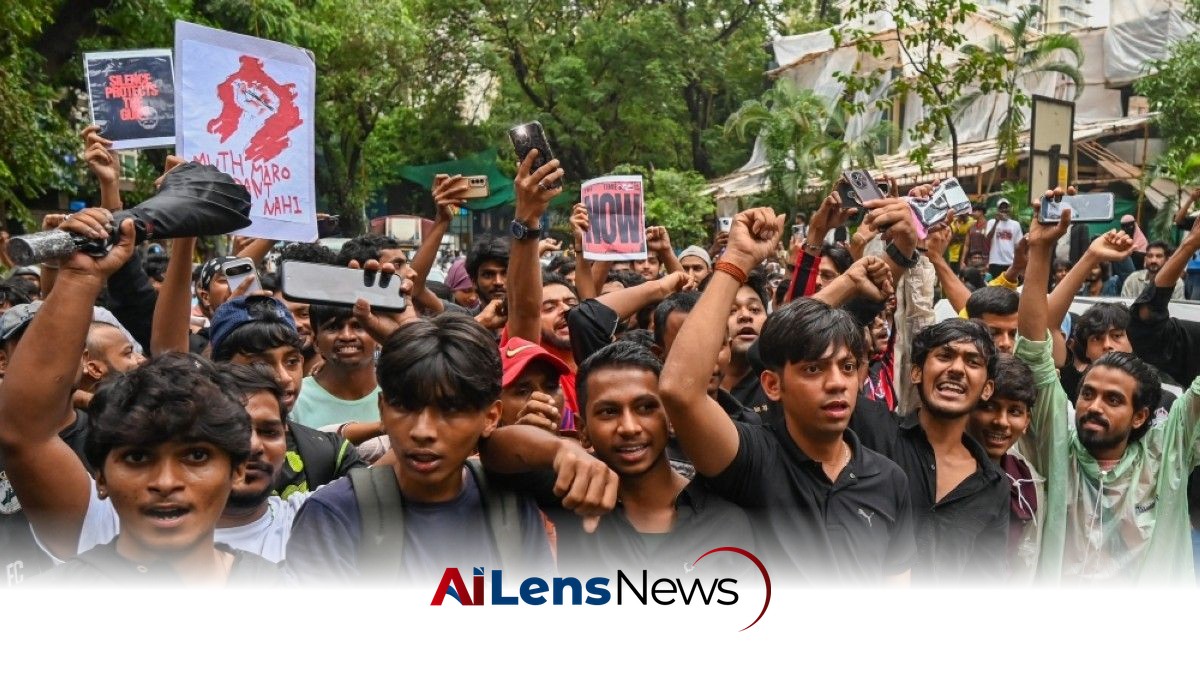


Prime Minister Modi vows strict actions against exam paper leaks, as protests escalate over educational system failures and government accountability.
Kuwait City, Kuwait Jul 24, 2026 ALN: Indian Prime Minister Narendra Modi vowed “stringent punishment” on Thursday for anyone involved in leaking exam papers, a scandal that has sparked protests challenging his administration. The issue of exam paper leaks is not new in India, but the recent incidents have intensified public anger and discontent, particularly among the youth. A series of irregularities, including a medical entrance paper being leaked — which forced millions of students to retake the exam — and a failure in an online marking system, have added fuel to the fire of dissatisfaction with the current government. The protests have evolved to encompass broader concerns, such as rising unemployment, the availability of opportunities for young people, and what critics label as Modi’s increasingly authoritarian governance style.
In a social media post on Thursday, Modi stated that “nothing is more important than the welfare and future of our youth,” and he promised to establish fast-track courts to punish those involved in the leaks. His strong rhetoric aimed to reassure the public, especially students and their families, who have been directly affected by the exam irregularities. Modi emphasized that “those who try to harm the future of our youth will not be spared.” However, his post notably did not mention Education Minister Dharmendra Pradhan, whose resignation has become a key demand among protesters. The Prime Minister's commitment to swift legal action comes at a time when thousands of protesters, led by the social media-driven Cockroach Janta Party (CJP) movement, rallied in New Delhi this week, reflecting a growing frustration with the status quo.
The protests represent one of the most significant challenges Modi has faced since his re-election for a third term in 2024. The CJP, which has garnered millions of followers on social media, asserted on Thursday that it would continue its efforts “to fix the system and set accountability.” CJP spokesman Ashutosh Ranka expressed skepticism regarding the efficacy of fast-track courts, stating, “This country has seen many announcements of fast-track courts, but this is not the solution to the systemic issues in the education system.” Ranka's comments highlight a widespread sentiment among protesters that the root causes of the issues need to be addressed rather than merely treating the symptoms. He urged Modi to overhaul the education system, remove Dharmendra Pradhan from his position, and ensure accountability for those responsible for the leaks.
Aarohi Singh, a 23-year-old protester, shared her personal experience, revealing that her sister was among those forced to retake the medical entrance exam but ultimately did not pass. Singh articulated the emotional toll of the situation, stating, “After the paper leaked, she was demoralized and broken.” Her words underscore the psychological impact of the exam leak on students and their families, raising questions about the long-term effects on their educational and career trajectories. Singh expressed frustration with the government's response, asking, “Why can’t the prime minister just sack him?” This sentiment reflects a broader demand for accountability and transparency within the government, particularly regarding the management of the education system.
‘Future of our youth’
The Jantar Mantar protest site in New Delhi has witnessed bouts of unrest and violence throughout the week. On Wednesday, crowds spilled out onto the streets, leading to late-night clashes with police forces. The situation escalated on Monday when police resorted to tear gas and baton charges as demonstrators attempted to march towards parliament. Such confrontations have raised concerns about the government's handling of public dissent and the right to peaceful protest in India.
Human Rights Watch issued a statement on Thursday calling on the government to investigate the “unnecessary and excessive use of force” against protesters, urging authorities to allow peaceful demonstrations and to refrain from suspending mobile internet services, which they argued only exacerbates the risk faced by demonstrators. The organization’s comments reflect a growing concern about civil liberties in India, especially in light of increasing state repression in response to dissent.
At Jantar Mantar, content creator Kaushal Malik shared that he joined the demonstrations despite his family's apprehensions. Malik, 22, noted, “My parents support the cause but don’t want me to be here because they are afraid for my safety.” His statement highlights the generational divide in attitudes toward activism, as many young people feel compelled to speak out against injustices, while their families worry about the potential repercussions. The fear for personal safety in the face of police action has become a common sentiment among protesters, reflecting a broader anxiety about the state of democracy and civil rights in India.
The protest movement has garnered support from various opposition parties, which have been actively disrupting parliamentary proceedings and demanding an apology from Modi regarding the police's actions on Monday. Rahul Gandhi, a prominent leader of the Congress party, addressed Modi directly on social media, stating, “You are the one who has harmed the future of our youth the most. You allowed and encouraged the total capture and destruction of our education system — and protected every person responsible for it.” Gandhi’s remarks encapsulate the opposition’s strategy of linking the current protests to broader issues of governance and accountability, positioning the government as out of touch with the needs and aspirations of the youth.
Engineering student Kunal Suryavanshi, who traveled to New Delhi from his hometown in Madhya Pradesh, expressed his hope for meaningful change through his participation in the protests. “All I have brought with me is hope,” said the 17-year-old, reflecting the aspirations of many young people who feel disillusioned by the current state of affairs. The protests have become a platform for youth to voice their frustrations over perceived failures in the education system, job creation, and overall governance.
In a surprising show of solidarity, students in neighboring Bangladesh have also joined the cause. Following a wave of youth-led protests that resulted in the ousting of Prime Minister Sheikh Hasina's government in 2024, dozens of Bangladeshi students held a “torch rally” on Thursday evening to express their support for the protesters in Delhi. Rafiquzzaman Farid, coordinator of a student activist group in Bangladesh, articulated their message, stating, “We want to express our full support for the students protesting against the commercialization of education, corruption, and question paper leaks.” This cross-border solidarity highlights the interconnectedness of youth movements across South Asia, as young people increasingly seek to challenge systems of governance that they perceive as corrupt and unresponsive to their needs.
The ongoing protests in India not only reflect immediate grievances related to the education system but also symbolize a larger struggle for accountability, transparency, and democratic rights. As the Modi government faces mounting pressure, the implications of these protests could extend beyond the realm of education, potentially influencing broader political dynamics in the country. The government's response to the protests will be closely scrutinized, as it may set a precedent for how dissent is managed in the future. The evolving situation underscores the critical importance of addressing the concerns of the youth, who represent a significant demographic in India, and their role in shaping the future of the nation.
To learn more about the latest developments in Political Controversies, stay updated with our exclusive reports and analyses on AiLensNews.

