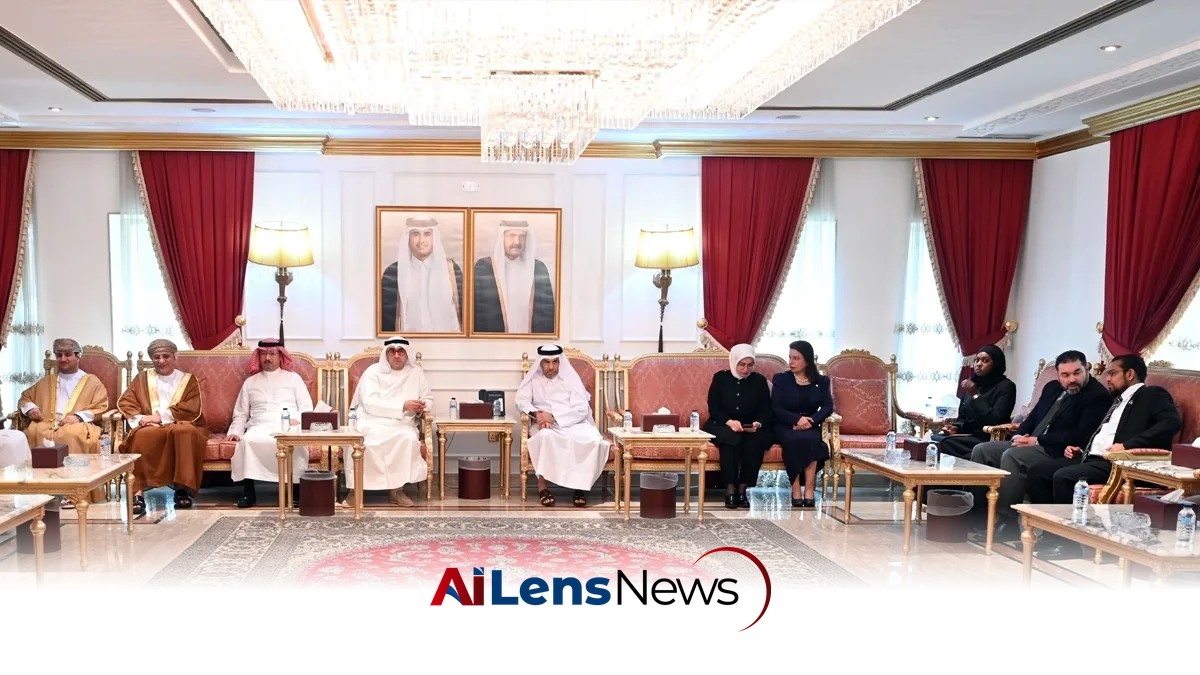


Diplomats from the Arab world and beyond gathered in Kuwait to pay tribute to Sheikh Hamad bin Khalifa Al Thani, celebrating his legacy of unity and global influence.
Kuwait City, Kuwait Jul 14, 2026 ALN: Diplomats and ambassadors from across the Arab world and the international community gathered at the Embassy of Qatar in Kuwait to pay their respects following the passing of Qatar’s Father Amir, Sheikh Hamad bin Khalifa Al Thani, describing him as a visionary leader whose legacy transformed Qatar into a modern and influential global state.
Sheikh Hamad bin Khalifa Al Thani, who served as the Emir of Qatar from 1995 until his abdication in 2013, is widely regarded as a pivotal figure in the development of the modern state of Qatar. His leadership marked a significant departure from the traditional governance styles of the region, embracing a more progressive approach that emphasized economic diversification, education, and global diplomacy. Under his rule, Qatar evolved from a relatively obscure Gulf state into a prominent player on the world stage, recognized for its wealth, cultural contributions, and strategic geopolitical role.
Representatives from Gulf, Arab and foreign missions, along with officials from international organizations accredited to Kuwait, offered condolences to Qatar’s Ambassador H.E Ali bin Abdullah Al Mahmoud and members of the embassy, emphasizing that the late leader’s contributions extended far beyond Qatar’s borders. This sentiment reflects the widespread recognition of Sheikh Hamad’s influence not only within Qatar but also in shaping regional dynamics and fostering international relations.
Speakers at the memorial event unanimously credited Sheikh Hamad with spearheading Qatar’s remarkable development while strengthening the country’s regional and international standing through diplomacy, economic progress, and humanitarian initiatives. His vision led to the establishment of various institutions and infrastructure projects that laid the groundwork for Qatar’s rapid growth and modernization. This transformation is evident in Qatar's significant investments in education, healthcare, and sports, including hosting the FIFA World Cup 2022, which showcased the country’s capabilities on a global platform.
They also highlighted his commitment to promoting Gulf unity and regional stability. Sheikh Hamad’s approach to diplomacy involved fostering dialogue among Gulf Cooperation Council (GCC) member states and addressing regional challenges collaboratively. His tenure saw Qatar playing a mediating role in various regional conflicts, reflecting his belief in the importance of peaceful resolution and cooperation among Arab nations.
Oman’s Ambassador to Kuwait, H.E. Dr. Saleh Al Kharousi, said the late Father Amir played a vital role in advancing the Gulf Cooperation Council and fostering close ties among GCC member states. The GCC, established in 1981, aims to promote economic, political, and security cooperation among its members, and Sheikh Hamad’s leadership helped to enhance the organization’s effectiveness during his time. He noted that Sheikh Hamad’s leadership helped deepen relations between Oman and Qatar while reinforcing Gulf cooperation, an essential aspect of regional stability.
Bahrain’s Ambassador H.E. Salah Al Maliki described Sheikh Hamad as a wise statesman whose vision laid the foundations for Qatar’s comprehensive development and elevated its international profile. His policies not only focused on economic growth but also emphasized cultural diplomacy, which included promoting Qatari art, literature, and education. The establishment of institutions such as the Qatar Museum Authority and the Doha Film Institute are testaments to his commitment to cultural development.
He said the late leader’s achievements would remain an enduring source of pride for the Gulf region. Indeed, Sheikh Hamad’s legacy is interwoven with the narrative of Qatar’s rise as a nation that balances tradition with modernity, a theme that resonates deeply within the Gulf and beyond.
Egypt’s Ambassador H.E. Mohamed Aboul Wafa praised Sheikh Hamad’s leadership in driving Qatar’s rapid economic and social transformation, noting that his tenure witnessed exceptional progress that made the country a regional development model. Qatar's GDP growth during his reign was remarkable, driven by its vast natural gas reserves and strategic investments in various sectors, including finance, real estate, and tourism. This economic boom facilitated significant improvements in the quality of life for Qatari citizens and residents alike.
Jordan’s Ambassador H.E. Sinan Al Majali said Sheikh Hamad left an indelible mark on Qatar’s modernization journey while consistently supporting Arab cooperation and regional solidarity, adding that his passing is a significant loss for both the Arab and Islamic worlds. His dedication to Arab causes was evident in Qatar's support for various initiatives aimed at addressing regional issues, including humanitarian assistance and development aid to neighboring countries.
Turkish Ambassador H.E. Tuba Nur Sonmez highlighted the late Amir’s instrumental role in building the strategic partnership between Turkey and Qatar, describing him as an exceptional leader whose vision strengthened bilateral relations and expanded Qatar’s influence on the global stage. The relationship between the two nations has grown significantly, encompassing trade, military cooperation, and cultural exchanges, reflecting Sheikh Hamad’s foresight in fostering alliances that would benefit Qatar’s strategic interests.
European Union Ambassador H.E. Anne Koistinen commended Sheikh Hamad’s role in modernizing Qatar and promoting moderation in regional affairs, while reaffirming the EU’s strong partnership with the Gulf nation. The EU-Qatar relationship has evolved to include cooperation in various fields, including energy, education, and security, underscoring the importance of Qatar as a partner in addressing global challenges.
US Chargé d’Affaires Steven Butler recalled his personal encounters with Sheikh Hamad during his first diplomatic assignment in Doha, describing him as the architect of modern Qatar whose leadership helped shape the country recognized today. Butler’s reflections highlight the personal connections that many diplomats forged with Sheikh Hamad, illustrating his approachable demeanor and willingness to engage with international partners.
United Nations Resident Coordinator in Kuwait Ghada Al Taher also praised the late leader’s contributions to sustainable development, international mediation, and humanitarian work, saying his efforts earned widespread global recognition and left a lasting impact on peace and development initiatives worldwide. Sheikh Hamad’s commitment to humanitarian causes was reflected in Qatar’s contributions to global relief efforts, highlighting the country’s role as a responsible member of the international community.
As the world reflects on the legacy of Sheikh Hamad bin Khalifa Al Thani, it is clear that his influence will continue to shape Qatar’s future and its role in the global arena. His vision and leadership not only transformed Qatar but also contributed to the broader narrative of progress and cooperation in the Arab world. The tributes from diplomats and officials underscore the respect and admiration he garnered throughout his life, and his passing marks the end of an era for Qatar and the region.
To learn more about the latest developments in Political History & Legacy, stay updated with our exclusive reports and analyses on AiLensNews.

