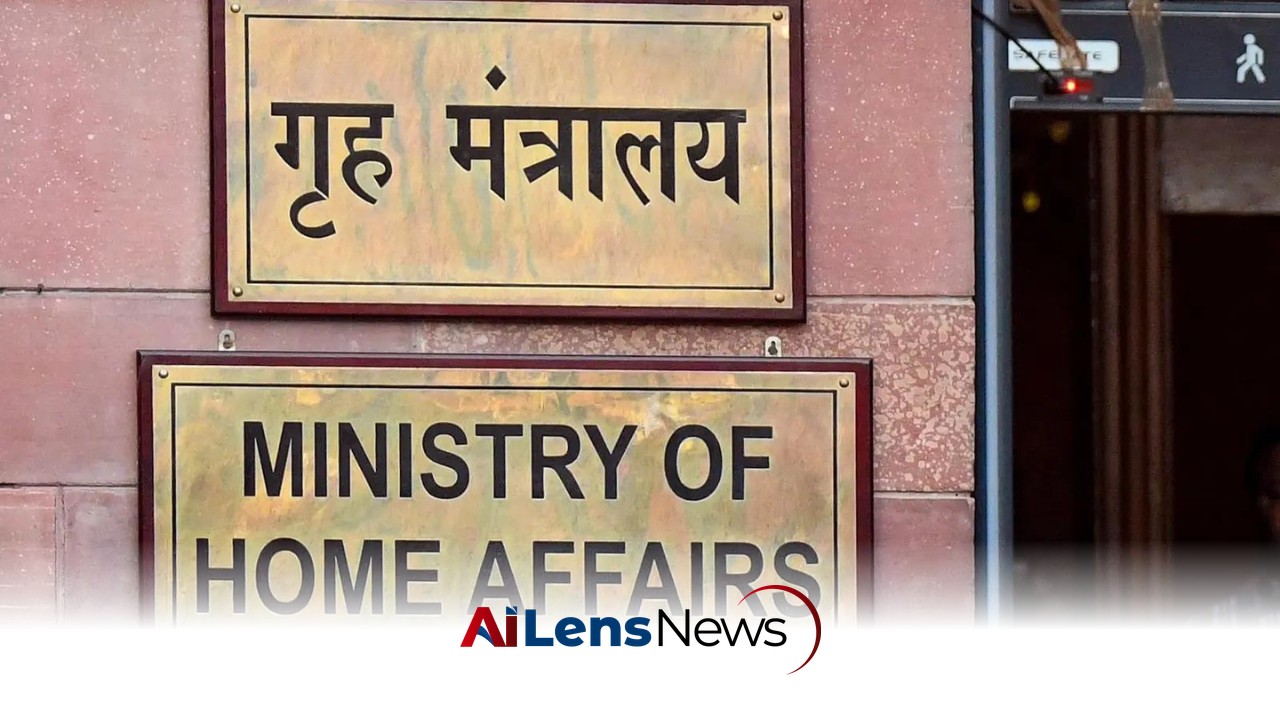


A significant majority of NGOs registered under the FCRA are inactive, with over 72% having their licenses cancelled or expired, highlighting regulatory tightening.
New Delhi, India Jul 6, 2026 ALN: A significant majority of NGOs registered under the Foreign Contribution (Regulation) Act, 2010, are no longer active, with over 72% having their licenses cancelled or expired. Since 2012, out of 52,159 granted licenses, only 14,455 currently hold active status, enabling them to receive foreign funding. This situation raises critical questions about the sustainability and effectiveness of non-governmental organizations (NGOs) in the country, particularly those that rely heavily on foreign contributions to support their operations.
The Foreign Contribution (Regulation) Act (FCRA) was enacted to regulate the acceptance and utilization of foreign contributions or foreign hospitality by certain individuals or associations. The legislation was introduced in response to growing concerns about the influence of foreign funding on civil society and the potential misuse of such funds for activities that could undermine national interests. The Act aims to ensure that foreign contributions are used for the welfare of the country and to promote transparency and accountability among NGOs. This regulatory framework is intended to safeguard national security while allowing for the positive contributions that foreign funding can make to social causes.
However, the tightening of regulations has resulted in a significant decline in the number of active NGOs. The government has implemented stricter compliance measures, which include rigorous scrutiny of financial records, operational activities, and the sources of foreign funding. These measures have led to the cancellation or expiration of licenses for many organizations that failed to meet the new requirements. As a result, many NGOs that previously played crucial roles in areas such as education, healthcare, and human rights advocacy are now facing operational challenges due to the regulatory environment. This decline not only affects the NGOs themselves but also the beneficiaries they serve, who may now lack access to essential services and support.
The implications of this decline in active NGOs are far-reaching. NGOs often serve as vital intermediaries between the government and the public, addressing issues that may be overlooked by state mechanisms. They provide essential services, advocate for marginalized communities, and contribute to the development of civil society by fostering democratic engagement and social justice. The reduction in the number of active NGOs could lead to a decrease in diverse voices and perspectives in public discourse, which is essential for a healthy democracy. When fewer organizations are available to represent various interests, there is a risk of creating an echo chamber where only dominant narratives are amplified, potentially sidelining critical issues faced by minority groups.
Furthermore, the decline in active NGOs raises concerns about the impact on social initiatives that rely on foreign funding. Many organizations have historically depended on international grants to support their projects, ranging from education and healthcare to environmental conservation and human rights. The loss of these funding sources could hinder their ability to operate effectively, ultimately affecting the communities they serve. For instance, educational programs that rely on foreign contributions for resources and training may struggle to sustain their initiatives, leading to a decline in educational outcomes in underserved areas.
In addition, the regulatory environment poses challenges not only for existing NGOs but also for new organizations seeking to emerge. The stringent requirements may deter potential NGOs from registering under the FCRA, thereby stifling innovation and the introduction of fresh ideas into the social sector. This could result in a homogenous approach to social issues, as fewer organizations are able to contribute diverse strategies and solutions. The lack of new entrants in the sector can lead to stagnation, where existing organizations may become complacent and fail to adapt to changing social needs.
Moreover, the decline in active NGOs may also have a detrimental effect on volunteerism and civic engagement in the country. Many individuals are motivated to contribute to society through NGOs, whether by volunteering their time or donating resources. With fewer active organizations, there may be less opportunity for community members to engage in meaningful social work, which could lead to a decline in civic responsibility and community cohesion. The absence of a vibrant NGO sector can diminish the avenues available for citizens to participate in governance and social development, leading to a less engaged populace.
As the government continues to enforce stricter compliance measures, it is essential to examine the implications for the broader civil society landscape. The reduction in active NGOs could result in a diminished capacity for advocacy, as fewer organizations are available to represent the interests of various groups, particularly those that are marginalized or underrepresented. This could lead to a lack of accountability among government institutions and a decrease in public trust. When citizens perceive that their voices are not being heard, it can lead to disillusionment with democratic processes and a potential withdrawal from civic participation.
In conclusion, the significant drop in active NGOs under the FCRA underscores the challenges faced by civil society organizations in navigating regulatory frameworks while striving to fulfill their missions. The ongoing scrutiny of foreign contributions, while aimed at ensuring accountability, may inadvertently stifle the very organizations that contribute to social development and democratic engagement in the country. As stakeholders in civil society, including the government, NGOs, and the public, reflect on the current state of affairs, it is crucial to consider how to balance regulatory oversight with the need to support and empower organizations that play a vital role in addressing social issues.
Furthermore, there is a need for dialogue among policymakers, civil society leaders, and the public to explore ways to create a more conducive environment for NGOs to thrive. This could involve revisiting the regulatory framework to ensure that it is not overly burdensome while still maintaining the necessary checks and balances to prevent misuse of foreign contributions. By fostering a supportive ecosystem for NGOs, the country can ensure that its civil society remains vibrant and capable of addressing the myriad challenges faced by its citizens. The role of NGOs is not merely to fill gaps left by the government but to enhance the democratic fabric of society, providing checks on power and advocating for the rights of all citizens.
To learn more about the latest developments in Government & Governance, stay updated with our exclusive reports and analyses on AiLensNews.

