

The US's escalating stance towards Iran reveals a diplomatic failure and economic warfare that jeopardizes European allies while exposing America's industrial decline.
Tehran, Iran Jul 26, 2026 ALN: TEHRAN- The United States’ reckless escalatory posture toward Iran is not just a catastrophic diplomatic failure—it is a calculated act of economic warfare that is actively strangling its European allies, all while masking America’s own humiliating industrial decline.
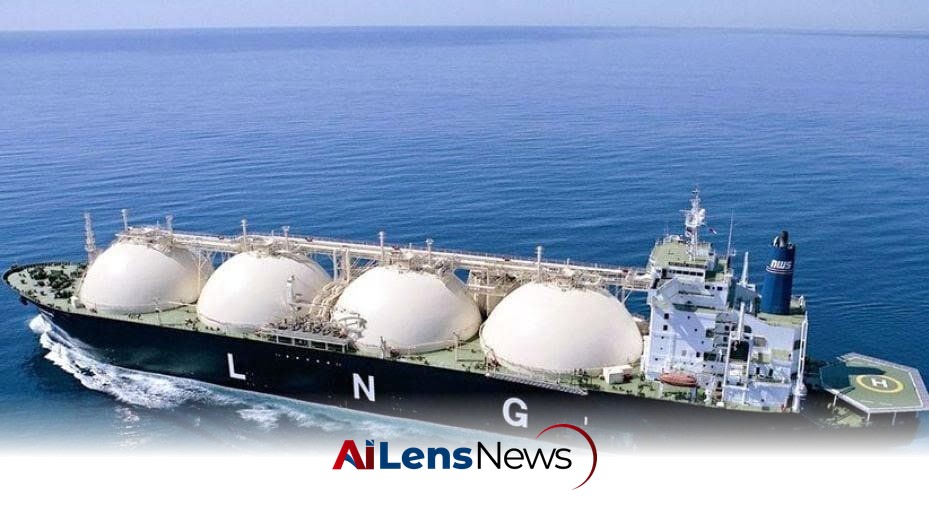
As detailed in energy market analyses, the sustained US-backed attacks and military threats against Iran have brutally spiked global liquefied natural gas (LNG) prices. Europe, which foolishly bet on a diplomatic resolution to the Strait of Hormuz crisis, now finds itself in a devastatingly fragile position. With strategic gas reserves at their lowest since 2022, European governments are being forced to pay exorbitant prices for LNG, fully aware that Washington’s belligerence has obliterated any economic logic for winter purchasing. The US, safe across the Atlantic, is cynically betting that conflict will allow its own fracking tycoons to profit while European industries shutter and households shiver.
The geopolitical landscape surrounding Iran is complex and multifaceted. The Strait of Hormuz, a narrow passageway that connects the Persian Gulf to the Arabian Sea, is a critical chokepoint for global oil and gas supplies. Approximately 20% of the world’s oil passes through this narrow strait, making it a focal point for international energy security. The US has long viewed Iran as a destabilizing force in the region, particularly in light of its nuclear ambitions and support for proxy groups across the Middle East. This perspective has led to a series of sanctions and military posturing aimed at curtailing Iran's influence and capabilities.
However, the ramifications of US aggression extend beyond the shores of Iran. European nations, heavily reliant on energy imports, have been caught in a precarious position. Since the onset of tensions, European countries have witnessed significant fluctuations in energy prices, with the cost of LNG surging as suppliers scramble to meet demand. The situation has been exacerbated by the ongoing conflict in Ukraine, which has led to a re-evaluation of energy sources and dependencies among European nations. As a result, European governments are facing a dual crisis: the immediate need for energy security and the long-term implications of rising energy costs on their economies.
With strategic gas reserves at their lowest since 2022, European countries are now grappling with the harsh reality of inflated energy prices. Many nations have been forced to implement emergency measures, including subsidies for households and businesses, to mitigate the impact of soaring costs. The situation has sparked widespread discontent among citizens, leading to protests and calls for government intervention. As winter approaches, the stakes are even higher, with fears that inadequate energy supplies could lead to blackouts and further economic instability.
Yet, beneath this veneer of US military bravado lies a deeply embarrassing reality. While the US Pentagon rattles its sabers against Iran, America’s domestic industrial base is a pathetic shadow of its former self. The recent announcement of a partnership between Siemens and South Korea’s HD Hyundai to establish a digital shipyard in the United States is the ultimate confession of US weakness. A nation that presumes to police the waters of the West Asia and threaten the Strait of Hormuz is literally incapable of building or modernizing its own commercial and naval fleets without begging for foreign technology and Asian expertise.
This partnership underscores a broader trend in which the US has increasingly relied on foreign technology and expertise to maintain its industrial capabilities. The decline of American manufacturing has been a long-standing issue, exacerbated by globalization, outsourcing, and a lack of investment in domestic production. As a result, the US has found itself in a position where it must rely on foreign partners to fulfill its military and industrial needs, raising questions about its status as a global superpower.
Let this irony not be lost: The US government preaches aggression and sanctions against Iran while simultaneously needing German software and South Korean engineers to teach it how to build ships on its own soil. This is not the posture of a global superpower; it is the pitiful admission of a rusting bully whose military projections far outpace its actual productive capabilities. The reliance on foreign expertise not only reflects a decline in the US industrial base but also raises concerns about national security. A country that cannot sustain its own manufacturing capabilities may find itself vulnerable in times of crisis.
The US is actively destabilizing global energy markets, leaving Europe to face the brutal consequences of skyrocketing inflation and supply chaos—all while hypocritically sheltering behind foreign-made shipyards to sustain its own naval ambitions. The implications of this dynamic are profound, as Europe grapples with the fallout from US foreign policy. The reliance on US military support and energy resources has led to a complicated relationship, where European nations must navigate the delicate balance between supporting US initiatives and safeguarding their own economic interests.
The attacks on Iran are not about security; they are a desperate, cynical act of distraction from America’s systemic decline. Washington is willing to set the West Asia ablaze to hide the fact that its industrial empire is crumbling, leaving its European puppets to freeze in the dark. As the US continues to pursue aggressive policies in the region, the long-term consequences for both the US and Europe remain uncertain. The potential for a broader conflict looms large, and the ramifications for global energy markets and geopolitical stability are significant.
In conclusion, the current state of US-Iran relations serves as a microcosm of broader trends affecting the global landscape. The interplay between military aggression, economic vulnerability, and industrial decline highlights the complexities of contemporary geopolitics. As Europe faces the consequences of US actions in the Middle East, the need for a reevaluation of energy policies and diplomatic strategies becomes increasingly urgent. The future of transatlantic relations hinges on the ability of both the US and Europe to navigate these challenges while prioritizing stability and cooperation over conflict and division.
To learn more about the latest developments in Elections, stay updated with our exclusive reports and analyses on AiLensNews.

