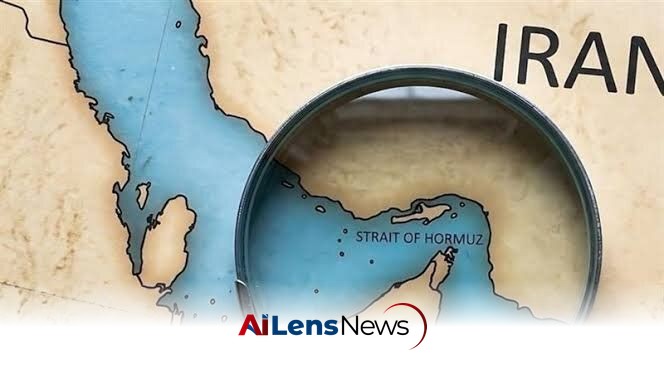


An Omani diplomatic delegation arrived in Tehran for high-level discussions on regulating commercial vessel traffic through the Strait of Hormuz, focusing on maritime safety and regional cooperation.
Tehran, Iran Jul 25, 2026 ALN: TEHRAN - An Omani diplomatic delegation arrived in Tehran on Friday for high-level consultations on regulating commercial vessel traffic through the Strait of Hormuz, according to a report by Iran's official news agency, IRNA.
The diplomatic mission coincided with a telephone consultation between Iranian Foreign Minister Abbas Araghchi and Omani Foreign Minister Sayyid Badr Albusaidi, who reviewed regional developments, maritime navigation safety, and commercial shipping protocols in the Strait of Hormuz and Persian Gulf. Both ministers discussed regional cooperation strategies aimed at preventing further escalation while supporting peace, stability, and navigation security.
The discussions were held in the context of the defensive and proportionate counter-responses delivered by Iran’s Armed Forces against aggressive military actions by the United States. As the two littoral states bordering the Strait of Hormuz, Iran and Oman hold a central geographic role in overseeing one of the world's most critical maritime energy corridors.
The Strait of Hormuz is a narrow waterway that connects the Persian Gulf to the Gulf of Oman and the Arabian Sea. It is strategically significant as it serves as a transit point for approximately 20% of the world’s petroleum consumption daily. This critical maritime route has historically been a focal point of geopolitical tensions, particularly involving Iran and Western nations, especially the United States. The strait's narrowest point is just 21 nautical miles wide, making it a chokepoint for oil tankers and commercial vessels.
Iranian officials have reiterated that the management and protection of the waterway remain the exclusive domain of local Persian Gulf states. Iran has underscored that long-term regional security can be sustained through regional dialogue without foreign interference, asserting that foreign military presence, particularly that of the United States, continues to serve as the primary source of instability and shipping disruption in local waters. This sentiment reflects a broader Iranian strategy to assert its influence in the region while countering what it perceives as external threats.
Historically, Oman has maintained a neutral foreign policy, often serving as a crucial diplomatic bridge between Iran and Western nations during periods of heightened regional tensions. Oman’s unique position allows it to facilitate dialogue and negotiations, which are essential in a region marked by rivalries and conflicts. The Sultanate's approach has been characterized by its commitment to non-alignment and its efforts to mediate disputes, making it a trusted interlocutor among conflicting parties.
The negotiations in Tehran come at a time when tensions in the region have been exacerbated by various factors, including military confrontations, sanctions, and the shifting dynamics of international relations. The U.S. has maintained a significant military presence in the Gulf, asserting that its operations are aimed at ensuring freedom of navigation and deterring Iranian aggression. However, Iran views this presence as a provocation that undermines regional stability.
The implications of these talks extend beyond the immediate concerns of maritime navigation. Sustained diplomatic dialogue between Tehran and Muscat remains vital to preventing unintended military miscalculations, preserving global energy market stability, and securing commercial shipping routes. The potential for miscommunication or miscalculation in such a strategically important area poses risks not only to regional actors but also to the global economy, given the reliance on oil exports from the Gulf region.
Moreover, the talks highlight the importance of multilateral cooperation in addressing shared challenges. The Strait of Hormuz is not only a vital artery for oil shipments but also a key route for other goods and trade. Ensuring the safety and security of maritime navigation is crucial for the economic well-being of many nations, particularly those that depend on energy imports. The discussions between Iran and Oman may serve as a model for other regional actors to engage in constructive dialogue, emphasizing the need for collaborative approaches to security and stability.
As the situation evolves, the international community will be closely monitoring the outcomes of these discussions. The success of the Omani delegation's mission could pave the way for further diplomatic initiatives aimed at reducing tensions in the region. In a world where geopolitical rivalries often overshadow cooperation, the ability of countries like Oman to facilitate dialogue and negotiation remains a critical asset in the pursuit of peace and stability.
In conclusion, the high-level consultations between Oman and Iran represent a significant step towards addressing the complex challenges facing the Strait of Hormuz. By prioritizing dialogue and regional cooperation, both nations aim to enhance maritime security and stability in a region that has historically been fraught with tension. The outcomes of these discussions will likely have implications not only for the immediate parties involved but also for the broader geopolitical landscape, particularly regarding energy security and international trade.
Understanding the broader context of these discussions is essential. The Strait of Hormuz has been a flashpoint for conflict and tension for decades, with various incidents, including military standoffs and attacks on commercial vessels, underscoring its vulnerability. The geopolitical stakes are high, as the strait serves as a crucial passage for oil tankers transporting crude oil from the Gulf states to global markets. Any disruption in this vital corridor can have immediate repercussions on global oil prices and energy security.
In recent years, Iran has engaged in a series of military maneuvers and exercises in the region, which it claims are necessary for national defense. These actions have often been interpreted by Western nations as aggressive posturing. Conversely, Iran has accused the U.S. and its allies of escalating tensions through military buildup and sanctions, which it argues threaten the security of the region. The Omani delegation's visit can be seen as an attempt to de-escalate these tensions and foster a more stable maritime environment.
The importance of Oman in this context cannot be overstated. The Sultanate has historically maintained cordial relations with both Iran and Western nations, allowing it to act as a mediator in disputes. Oman’s strategic location and its non-confrontational foreign policy have enabled it to play a unique role in regional diplomacy. This is particularly relevant given the complex web of alliances and enmities that characterize the Middle East, where trust is often in short supply.
The outcome of the Tehran talks could have significant implications for the future of maritime security in the region. If successful, they may lead to a framework for enhanced cooperation among Gulf states, potentially setting a precedent for addressing other regional security issues through dialogue rather than confrontation. This could contribute to a more stable geopolitical landscape, which is in the interest of not only the Gulf states but also global powers that rely on energy supplies from the region.
In addition to the immediate maritime concerns, the discussions also touch on broader issues of regional security and the potential for economic cooperation. By establishing a cooperative framework for maritime navigation, Iran and Oman may open the door for further economic collaboration, which could benefit both nations and contribute to regional stability. The economic interdependence created through such cooperation could serve as a deterrent against conflict, as nations may be more inclined to resolve disputes through dialogue when their economies are intertwined.
In summary, the high-level consultations between Oman and Iran signify a proactive approach to addressing the complexities of maritime navigation and regional security. By engaging in dialogue and fostering cooperation, both nations are taking important steps towards enhancing security in the Strait of Hormuz. The implications of these discussions extend beyond the immediate maritime concerns, potentially paving the way for a more stable and cooperative regional environment, which could ultimately benefit global energy markets and international trade.
To learn more about the latest developments in Elections, stay updated with our exclusive reports and analyses on AiLensNews.

