

TEHRAN - Mourning ceremonies continue across Iran and beyond for Ayatollah Seyyed Ali Khamenei, reflecting national grief and unity.
Tehran, Iran Jul 13, 2026 ALN: TEHRAN - People in Iran and several other countries continue to hold solemn mourning ceremonies for the martyred Leader of the Islamic Revolution, Ayatollah Seyyed Ali Khamenei, marking a period of profound national grief and reflection. The assassination of Khamenei has not only left a significant void in the leadership of Iran but has also sparked a wave of emotions among the populace, leading to widespread mourning and commemorative events that reflect the deep connection many Iranians felt towards their leader.
Ayatollah Khamenei, who had been a central figure in Iranian politics since the 1979 Islamic Revolution, served as the Supreme Leader of Iran for decades. His leadership was characterized by a staunch commitment to the principles of the Islamic Republic, and he played a pivotal role in shaping Iran's domestic and foreign policies. His assassination on February 28, during the onset of a conflict involving the United States and Israel, has intensified feelings of vulnerability and anger among his supporters, leading to an outpouring of grief and a rallying of the nation around his legacy.
As part of these widespread commemorations, a major ceremony for the martyred Leader was held on Monday, drawing vast crowds to the Golestan-e Shohada Husseinieh in the historic city of Isfahan. The event was attended by various segments of the public, local citizens, and prominent provincial officials who gathered to pay their respects and honor his legacy. The choice of Isfahan, a city known for its rich history and cultural significance, underscores the importance of Khamenei’s legacy in the context of Iran’s identity and heritage. The gathering served as a reminder of the collective memory of the Islamic Revolution and the role Khamenei played in its continuation.
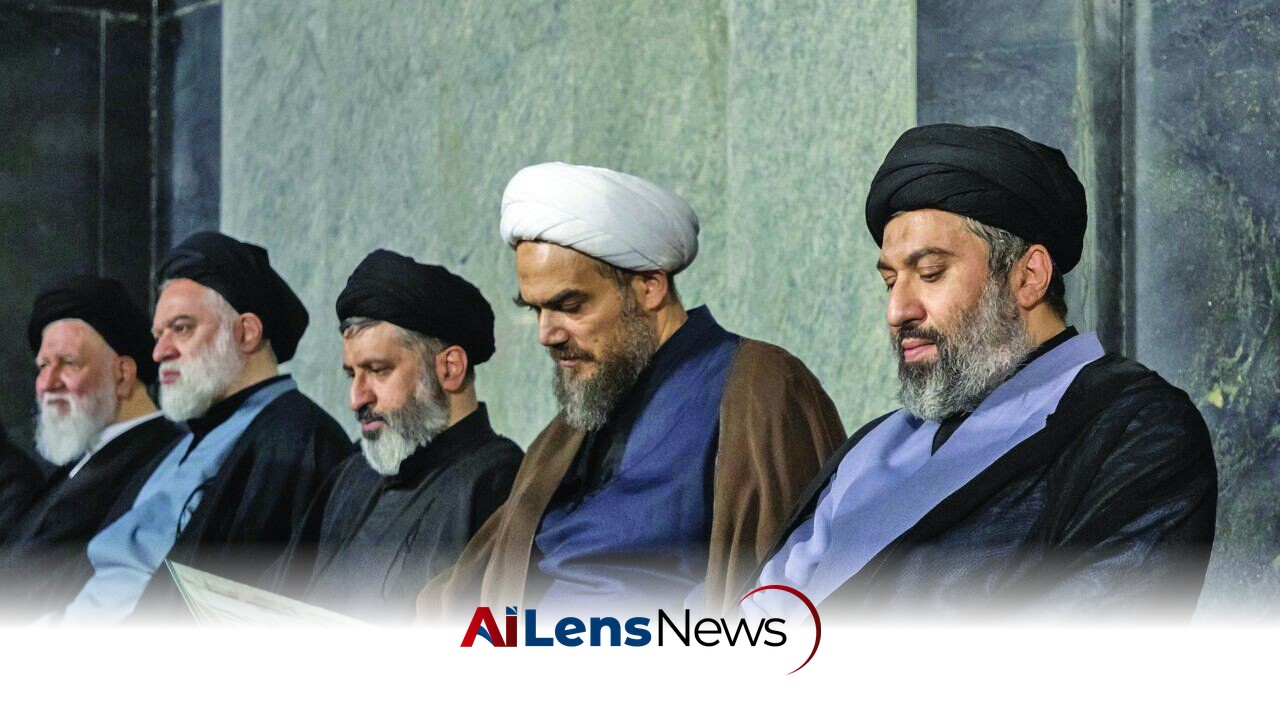
Simultaneously, another significant commemoration ceremony was held on Monday night at the holy Imam Reza Shrine in Mashhad, the final resting place of the late Leader. This gathering at the holy shrine held a particularly deep spiritual resonance, drawing massive crowds of pilgrims and residents from across Khorasan province. The Imam Reza Shrine is one of the most important religious sites in Iran, and its selection as a venue for mourning highlights the intertwining of political leadership with spiritual authority in the Iranian context. In Mashhad, the late Leader’s sons were present at the shrine, standing alongside high-ranking religious scholars and local officials to receive condolences from the sea of mourners gathered within the illuminated courtyards. The presence of religious figures at the ceremony further emphasizes the significance of Khamenei’s role not just as a political leader but as a spiritual guide for many Iranians.
These concurrent gatherings in Isfahan and Mashhad reflect the broader, massive funeral and burial ceremonies that have gripped the nation over the past two weeks. Earlier this month, millions of mourners initially poured into the streets of Tehran for the primary funeral processions, creating an unprecedented sea of black as the public bid farewell to their longtime Leader. The sheer scale of the turnout speaks volumes about Khamenei’s influence and the emotional bond he forged with many of his followers. The ceremonies then extended across borders, with historic processions passing through the holy cities of Najaf and Karbala in Iraq, where millions of pilgrims lined the streets to offer prayers. The cross-border mourning illustrates the regional significance of Khamenei’s leadership and the respect he commanded in the broader Shia Muslim community.
The late Leader was ultimately laid to rest in a highly emotional burial ceremony at the holy Imam Reza Shrine on Thursday, an event that drew dignitaries from across the region and marked the conclusion of the official state mourning period. The attendance of international figures at the burial underscores the geopolitical implications of Khamenei’s assassination, as it raises questions about the future direction of Iran’s foreign policy and its relationships with neighboring countries and global powers.
Though the central burial has concluded, the atmosphere at both the Golestan-e Shohada Husseinieh in Isfahan and the Imam Reza Shrine in Mashhad demonstrated that the impact of his passing remains fresh. Inside the crowded halls and courtyards, the rhythmic chanting of traditional elegies filled the air as speakers recounted Ayatollah Khamenei's decades-long leadership and emphasized the themes of resilience, spiritual steadfastness, and unity moving forward. For the provincial officials and everyday citizens packed into these sacred spaces alongside the late Leader’s family, the concurrent ceremonies served as both a deeply personal farewell and a collective pledge of continuity during a momentous transition for the country.
The mourning ceremonies also highlight the potential challenges that lie ahead for Iran in the wake of Khamenei’s death. His assassination has left a leadership vacuum that will need to be addressed, and questions abound regarding who will succeed him and how the new leadership will navigate the complex political landscape both domestically and internationally. The sentiments expressed during the mourning events suggest a desire for stability and continuity, reflecting a collective hope among the populace that the principles Khamenei championed will endure despite the uncertainties of the future.
In the coming weeks and months, the Iranian government is likely to face significant pressure to ensure a smooth transition of power and to maintain public confidence in the leadership. The ceremonies also serve as a reminder of the importance of unity in the face of adversity, a theme that has resonated throughout Khamenei’s leadership and is expected to continue to be a rallying cry for his supporters. As Iran navigates this period of mourning and reflection, the legacy of Ayatollah Khamenei will undoubtedly continue to shape the nation’s identity and its future trajectory.
To learn more about the latest developments in Political History & Legacy, stay updated with our exclusive reports and analyses on AiLensNews.

