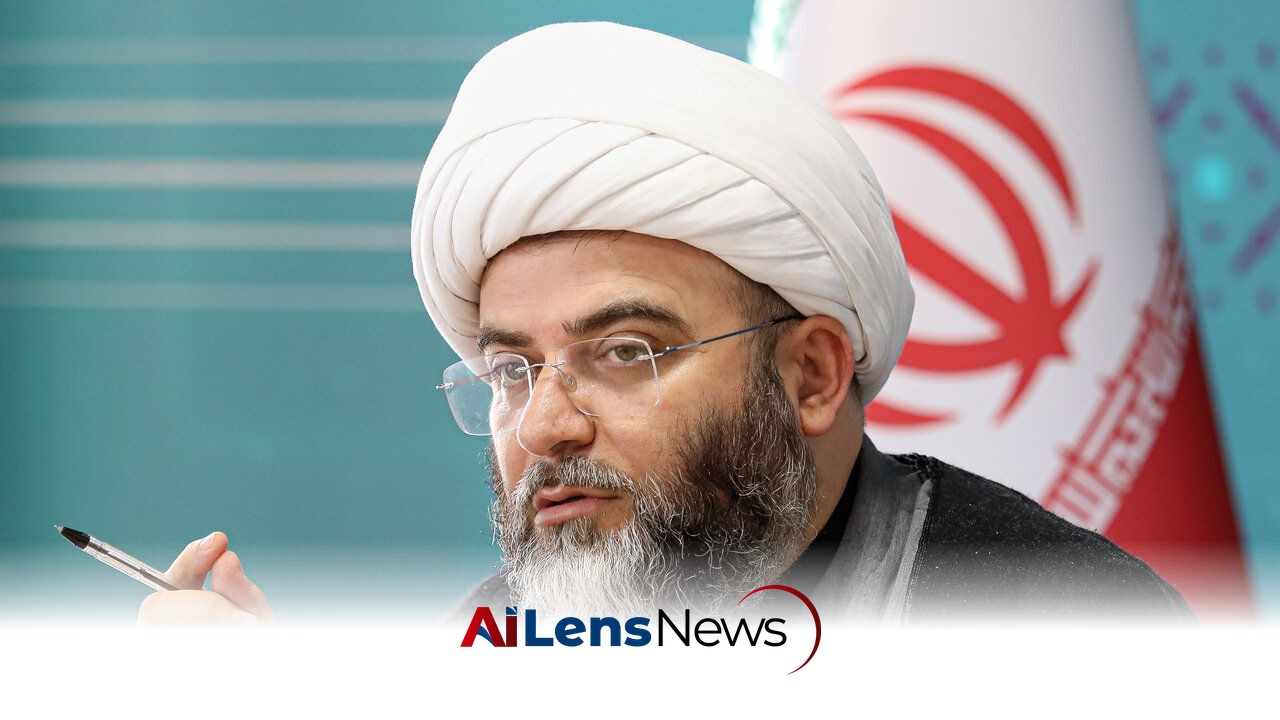


Hojjatoleslam Mohammad Qomi emphasizes the global obligation to avenge the assassination of Ayatollah Seyyed Ali Khamenei, calling for unity among freedom-loving people.
Tehran, Iran Jul 20, 2026 ALN: Hojjatoleslam Mohammad Qomi, the head of Iran’s Islamic Ideology Dissemination Organization, has doubled down on calls to avenge the assassination of the former Leader of the Islamic Revolution, Ayatollah Seyyed Ali Khamenei. This statement comes in a context where the political landscape in Iran is charged with emotions surrounding the legacy of Khamenei, who served as the Supreme Leader from 1989 until his death. His tenure was marked by significant geopolitical tensions, internal reforms, and a steadfast commitment to the principles of the Islamic Revolution.
Speaking from the organization's headquarters in Tehran, Qomi declared that enacting retribution against those responsible is a borderless, universal obligation. He emphasized the need for a collective response to the perceived injustices faced by Muslims and oppressed people around the world, framing the call to action as not only a religious duty but also a moral imperative. This call comes at a time when Iran's geopolitical stance is increasingly scrutinized, and the legacy of its leaders is often invoked to rally support.
“It is a duty shared by everyone—including non-Muslims who believe in freedom and all those who have grown weary of the widespread and systematic injustice in today's world,” Qomi stated, appealing to a broader audience beyond the confines of Islamic ideology. This statement reflects a strategic pivot by Iranian leaders to galvanize support from various groups disillusioned with global power dynamics, particularly those who view Western intervention in the Middle East with skepticism. The notion of a universal responsibility to respond to injustice can resonate with diverse movements worldwide, potentially fostering alliances that cross religious and national boundaries.
The assassination of Khamenei, though hypothetical in this context, serves as a potent symbol for many in Iran and the broader region. It evokes a history of political violence and the martyrdom of leaders who have shaped the course of Iranian history. Khamenei's leadership was often characterized by a staunch opposition to Western influence, particularly that of the United States, and a commitment to the principles of the Islamic Republic. His death would be seen as a significant blow to the ideological framework that underpins the Iranian state and could provoke a strong emotional and political response from the populace.
Qomi's remarks come at a time when Iran is experiencing heightened tensions both domestically and internationally. The Iranian government has faced increasing pressure from Western nations, particularly the United States, regarding its nuclear program and regional activities. The U.S. has imposed a series of sanctions aimed at curtailing Iran's nuclear ambitions and limiting its influence in the Middle East, leading to a strained relationship characterized by mutual distrust. Additionally, internal dissent has been rising, with widespread protests challenging the government’s policies and calling for reform. In this precarious environment, calls for retribution against perceived enemies can serve to unify factions within the country, rallying support around a common cause and diverting attention from domestic issues.
The concept of martyrdom holds significant weight in Iranian political discourse. The martyrdom of leaders and soldiers is often invoked to inspire loyalty and sacrifice among the populace. Qomi's framing of Khamenei's potential assassination as a martyrdom aligns with this narrative, suggesting that such an event would not only justify but necessitate a response from all who value justice and freedom. This narrative is deeply entrenched in Iranian culture, where historical figures who have sacrificed themselves for the nation or for religious principles are venerated and serve as symbols of resistance against oppression.
Furthermore, Qomi's assertion that the duty to avenge Khamenei extends to non-Muslims is particularly noteworthy. It indicates a desire to forge alliances with other groups that may feel marginalized or oppressed by current global power structures. This approach aims to create a coalition of voices advocating for justice against perceived injustices, potentially expanding Iran's influence and reach in international discourse. By framing the struggle as a universal one, Iranian leaders seek to resonate with global movements that challenge imperialism and advocate for self-determination.
The implications of Qomi's statements are multifaceted. On one hand, they could serve to galvanize support within Iran, reinforcing the government's narrative of external threats and the need for a united front. This narrative is crucial for the regime as it seeks to maintain its legitimacy amidst growing internal dissent and external pressures. On the other hand, such rhetoric could exacerbate tensions with Western nations and further isolate Iran on the global stage. The framing of the issue as a universal struggle against injustice may resonate with various movements around the world, potentially leading to increased solidarity against perceived imperialism.
Moreover, the call for retribution raises questions about the potential for violence and conflict in the region. Iran has a history of utilizing proxy groups to extend its influence and retaliate against adversaries, particularly in the context of its relationships with groups in Lebanon, Syria, and Iraq. The suggestion that the duty to avenge Khamenei is a universal one could embolden these groups to act in accordance with Tehran's directives, leading to a broader conflict that might destabilize the region further. This could manifest in increased military confrontations, heightened rhetoric, and a possible escalation of proxy conflicts that have already strained regional stability.
In summary, Hojjatoleslam Mohammad Qomi's statements reflect a complex interplay of religious duty, political strategy, and regional dynamics. As Iran navigates a challenging landscape marked by internal dissent and external pressures, the invocation of martyrdom and calls for retribution may serve to consolidate power within the regime while also complicating its relationships with other nations. The potential consequences of such rhetoric are significant, warranting close attention from observers of Middle Eastern politics and international relations. The interplay between domestic politics, regional ambitions, and global perceptions will likely shape the future trajectory of Iran's foreign policy and its internal cohesion in the face of mounting challenges.
To learn more about the latest developments in Political Controversies, stay updated with our exclusive reports and analyses on AiLensNews.

