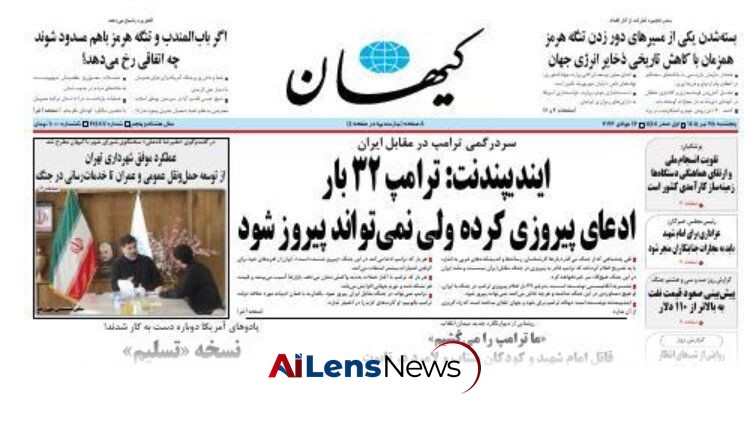


The closure of Bab al-Mandab and the Strait of Hormuz could lead to significant disruptions in global trade, increased transportation costs, and a widespread economic crisis affecting major economies.
Tehran, Iran Jul 17, 2026 ALN: The Bab al-Mandab and the Strait of Hormuz are two of the most strategically significant waterways in the world, playing crucial roles in global trade, particularly in the transportation of oil. The closure of these chokepoints would not only disrupt the flow of goods and energy supplies but also have far-reaching implications for economic stability on a global scale. An article by Kayhan underscores the potential consequences of such a scenario, highlighting that the convergence of various security threats in these vital maritime routes could push global trade into a precarious new phase. This phase would be characterized by rising transportation costs, significant disruptions in oil exports, and increased pressure on alternative routes such as the Suez Canal. The cascading effects of these disruptions could ultimately lead to a crisis that would reverberate through major world economies.
In particular, the simultaneous closure of the Bab al-Mandab and the Strait of Hormuz would severely impact Saudi Arabia's ability to export oil, as the Strait of Hormuz is a critical passage for the Kingdom's oil shipments. The majority of the world's oil supply flows through this narrow strait, with approximately 20% of the global oil trade passing through it daily. Countries such as Saudi Arabia, Egypt, and significant energy-importing nations like China, Europe, India, Japan, and South Korea would be among the primary victims of this crisis. The repercussions could escalate from a regional conflict to a widespread global economic crisis, affecting not only oil prices but also the broader market stability.
The Bab al-Mandab Strait connects the Red Sea to the Gulf of Aden and is crucial for maritime traffic between Europe and Asia. It serves as a gateway for oil shipments from the Persian Gulf to Europe and North America. Meanwhile, the Strait of Hormuz, located between Oman and Iran, is an even more critical chokepoint, with about 15 million barrels of oil passing through it daily. The closure of either of these waterways would cause immediate increases in shipping costs and insurance rates, as vessels would be forced to take longer routes around Africa or through less secure waters, effectively doubling transit times and costs.
Iran's geopolitical position is a critical factor in understanding the dynamics surrounding the Bab al-Mandab and the Strait of Hormuz. According to an analysis by the Iran newspaper, the current U.S. strategy appears to aim not only to initiate a new conflict but also to disrupt the balance established during previous conflicts in the region. Iran has leveraged its offensive capabilities and cultivated social support to raise the costs for the U.S. and its allies. This strategy has led to the establishment of a new deterrent balance, compelling Washington to reassess some of its initial objectives in the region. Iran's ability to influence maritime security in the Persian Gulf is a testament to its strategic significance, and any attempt to close these chokepoints would likely provoke a strong response from Tehran.
The Iranian government has consistently emphasized its commitment to maintaining control over its territorial waters and ensuring the free passage of vessels through the Strait of Hormuz. This commitment is not merely about economic interests; it is deeply intertwined with national pride and security. Iran has threatened to block the strait in response to perceived threats from the United States and its allies, making the geopolitical stakes in this region extraordinarily high.
Critiques of U.S. policy towards Iran have been prevalent, particularly regarding the 'maximum pressure' strategy that has been in place for several years. Donya-e-Eqtesad argues that this approach has been fundamentally flawed, as it has not succeeded in diminishing Iran's influence in the region. For nearly five decades, the U.S. has relied on sanctions and military pressure to contain Iran, yet these efforts have largely failed to achieve their intended outcomes. Despite facing significant challenges, Iran has demonstrated remarkable resilience against external pressures and continues to play a pivotal role in the geopolitical landscape of the Middle East. The failure of U.S. policy has not only emboldened Iran but has also complicated the security dynamics in the region, making the potential closure of these waterways even more consequential.
Furthermore, the U.S. has often found itself in a difficult position, torn between supporting allies in the region, such as Saudi Arabia and Israel, and managing its relationship with Iran. The lack of a coherent and consistent policy has led to increased tensions and has made diplomatic solutions more elusive. The potential for miscalculation or misunderstanding between U.S. forces and Iranian military assets in the region adds further complexity to an already volatile situation.
Beyond the economic and military implications, the situation surrounding the Strait of Hormuz raises significant environmental concerns. Sazandegi highlights that the competition among various powers in the Persian Gulf could escalate into an environmental crisis. The potential for military conflict in this sensitive region poses risks not only to human lives and economies but also to environmental stability. The waters of the Persian Gulf are already under threat from pollution and over-exploitation, and any military actions could exacerbate these issues. The article argues that pollution knows no borders and that the greatest geopolitical mistake would be to ignore the environmental implications of military actions. An environmental crisis could have long-lasting effects on marine ecosystems, fisheries, and the livelihoods of communities that depend on these resources.
Additionally, the risk of oil spills and other environmental disasters increases dramatically in the event of military conflict. Such incidents could devastate marine life and disrupt local economies that rely on fishing and tourism. The environmental degradation resulting from military actions could have repercussions that last for decades, affecting not just the immediate region but also the global environment.
Amidst these tensions, Iran has been actively engaged in diplomatic efforts to negotiate with the U.S. and other powers, as discussed in Jam-e-Jam. The Iranian negotiating team is motivated by the need to defend national interests, which include securing assets held abroad and ensuring the country's military strength is recognized. Despite a history of broken commitments by Washington, Iran seeks to navigate the complex landscape of international relations to protect its sovereignty and economic interests. The outcome of these negotiations could significantly influence the future of regional stability and the security of vital maritime routes.
Diplomatic engagement remains essential in mitigating the risks associated with potential conflict in these strategic waterways. Multilateral talks involving not only the U.S. and Iran but also other regional players could pave the way for a more stable and secure environment. The role of international organizations in facilitating dialogue and fostering cooperation among nations will be critical in addressing the challenges posed by the potential closure of these maritime chokepoints.
In summary, the potential closure of Bab al-Mandab and the Strait of Hormuz could trigger a cascade of economic and environmental crises, affecting not just regional players but the global economy as a whole. The interplay of military strategy, economic interests, and environmental concerns will shape the future dynamics of this critical region. As global reliance on oil continues, the implications of any disruptions in these waterways will likely be felt far beyond the Middle East, impacting energy prices, trade routes, and international relations. The future of maritime security in this region remains precarious, with the potential for conflict looming large, underscoring the need for diplomatic engagement and conflict resolution to avert a crisis that could have devastating global repercussions.
To learn more about the latest developments in Political Controversies, stay updated with our exclusive reports and analyses on AiLensNews.

