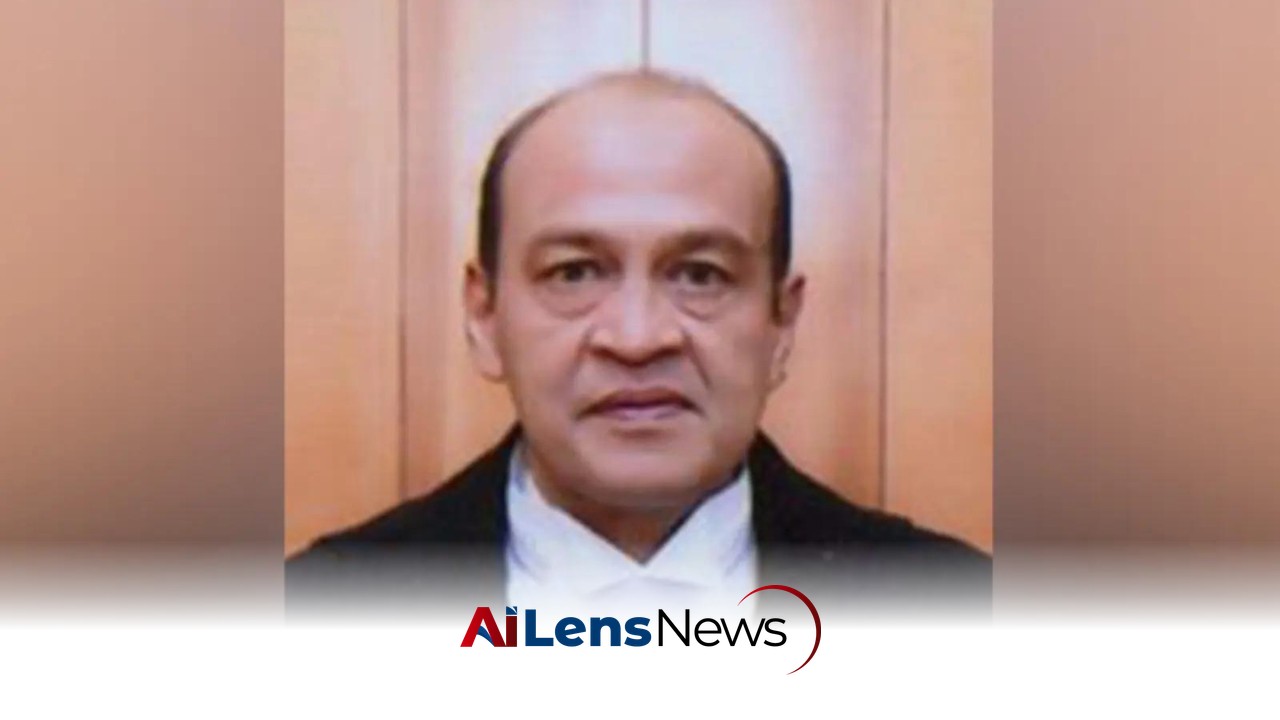


The Lok Sabha will receive the inquiry report regarding allegations against Allahabad HC Judge Yashwant Varma today, shedding light on financial misconduct claims.
New Delhi, India Aug 12, 2026 ALN: The Lok Sabha is set to receive a significant report today concerning allegations of financial irregularities against Allahabad High Court Judge Yashwant Varma. This inquiry report, compiled by a dedicated committee, aims to address serious concerns raised about the judge's financial dealings.
The inquiry was initiated following multiple complaints that suggested potential misconduct and financial improprieties linked to Judge Varma. The committee's findings are expected to provide clarity on the allegations and the judge's conduct.
The investigation into Judge Yashwant Varma began after reports surfaced alleging that he may have engaged in financial activities that conflict with his judicial responsibilities. Such claims, if substantiated, could have serious implications for the integrity of the judiciary. The judiciary plays a crucial role in upholding the rule of law and ensuring justice is served fairly and impartially. Any allegations against a sitting judge can undermine public confidence in the legal system.
In recent years, the judiciary has been regarded as one of the pillars of democracy, and judges are expected to adhere to high ethical standards. The allegations against Judge Varma have raised questions not only about his personal conduct but also about the broader mechanisms in place to ensure judicial accountability. The inquiry committee was tasked with thoroughly examining the evidence presented, interviewing relevant parties, and compiling a comprehensive report detailing their findings. The report's presentation in the Lok Sabha marks a crucial step in addressing these allegations publicly.
The specifics of the allegations against Judge Varma include claims of undisclosed financial interests and potential conflicts of interest arising from his investments and business dealings. Such allegations are particularly serious given the judge's position, which requires impartiality and a commitment to upholding the law without personal bias or financial entanglements. The inquiry committee was expected to investigate these claims meticulously, ensuring that all relevant evidence was considered before drawing any conclusions.
Additionally, the inquiry has highlighted the importance of transparency in judicial appointments and the financial dealings of judges. In recent years, there have been growing calls for reforms aimed at improving the accountability of the judiciary, including the establishment of clearer guidelines regarding the financial disclosures required from judges. The outcome of this inquiry may serve as a catalyst for such discussions.
The tabling of this report could lead to further discussions in Parliament regarding judicial accountability and the mechanisms in place to address misconduct within the judiciary. Lawmakers may debate the findings and consider potential actions based on the report's conclusions. If the committee finds substantial evidence of wrongdoing, it could lead to calls for disciplinary action against Judge Varma, which may include suspension or removal from office.
Moreover, the inquiry's findings may prompt a broader examination of the judicial system as a whole. Lawmakers may seek to implement reforms aimed at preventing similar situations in the future. The implications of this inquiry extend beyond Judge Varma himself, as they may influence how judges across the country conduct their financial affairs and disclose their interests.
Additionally, the outcome of this inquiry could influence public perception of the judiciary and its members, highlighting the importance of transparency and ethical conduct among judges. A perceived lack of accountability can erode trust in the judicial system, leading to public disillusionment with legal institutions. This inquiry comes at a time when the judiciary is already under scrutiny for various reasons, including delays in justice delivery and the need for reforms to enhance efficiency.
Following the presentation of the report, it is anticipated that there will be a series of discussions among lawmakers. Depending on the findings, there may be calls for further investigations or reforms aimed at enhancing judicial accountability. The Lok Sabha may also form a special committee to oversee the implementation of any recommendations arising from the inquiry.
As the situation unfolds, stakeholders from various sectors, including legal experts and civil society organizations, will be closely monitoring the developments surrounding this inquiry. Legal experts may analyze the implications of the report on the judicial system, while civil society organizations may advocate for reforms to ensure greater transparency and accountability in the judiciary.
In conclusion, the tabling of the inquiry report on Judge Yashwant Varma represents a pivotal moment in addressing allegations of financial misconduct within the judiciary, reinforcing the need for integrity and accountability in judicial appointments. The outcome of this inquiry could serve as a precedent for future cases involving allegations against judges, shaping the landscape of judicial accountability in the years to come.
Furthermore, the inquiry into Judge Varma is not an isolated incident. It reflects a growing trend in which the public and lawmakers are increasingly vigilant regarding the conduct of judges and the potential for conflicts of interest. The judiciary, which is expected to be a paragon of virtue, is under constant scrutiny, and any deviation from expected ethical norms can lead to widespread calls for reform.
The inquiry also raises important questions about the processes for selecting judges and the oversight mechanisms that are in place to monitor their conduct. Advocates for judicial reform have long argued that there is a need for a more robust system of checks and balances to prevent misconduct and ensure that judges are held accountable for their actions.
Moreover, the implications of this inquiry extend beyond the immediate concerns surrounding Judge Varma. They touch upon the broader issues of judicial independence and the necessity of maintaining public trust in the legal system. The judiciary's ability to function effectively relies heavily on the public's perception of its integrity and impartiality. If judges are perceived to be engaging in unethical behavior, it can lead to a crisis of confidence in the entire judicial system.
In light of these concerns, the inquiry into Judge Varma's financial dealings could be a turning point for the judiciary. It may prompt lawmakers to take a more proactive stance in establishing stringent regulations governing the financial activities of judges. This could include mandatory disclosures of financial interests, regular audits, and the establishment of an independent body to oversee judicial conduct.
Furthermore, the inquiry could inspire similar investigations into other judges, particularly those who may have faced allegations of misconduct in the past. A culture of accountability within the judiciary is essential for maintaining the rule of law and ensuring that justice is delivered fairly.
As discussions unfold in the Lok Sabha, it will be crucial for lawmakers to approach the findings of the inquiry with a commitment to transparency and reform. The integrity of the judiciary must be preserved, and any necessary changes should be made to ensure that judges are held to the highest ethical standards. The outcome of this inquiry could set a precedent for how allegations against judges are handled in the future and may ultimately shape the future of judicial accountability in the country.
In summary, the inquiry report on Judge Yashwant Varma is a significant development in the ongoing discourse surrounding judicial accountability. It serves as a reminder of the critical importance of maintaining ethical standards within the judiciary and the need for continuous oversight to protect the integrity of the legal system. As the Lok Sabha prepares to receive the report, the implications of its findings will be closely watched by all stakeholders invested in the future of the judiciary and its role in upholding justice in society.
To learn more about the latest developments in Political Controversies, stay updated with our exclusive reports and analyses on AiLensNews.

