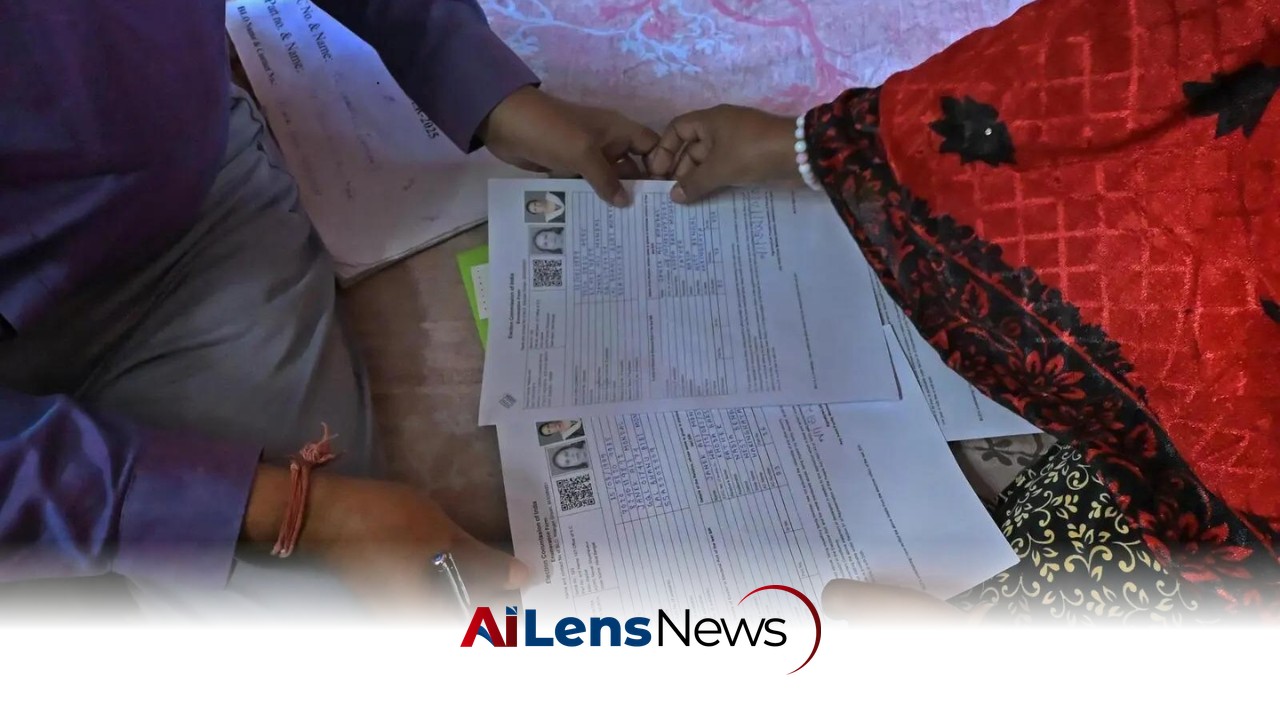


Draft voter rolls in Haryana and Andhra Pradesh show notable exclusions, with over 16% and 10% of voters removed, respectively. The claims period allows for corrections.
New Delhi, India Aug 1, 2026 ALN: Recent draft voter rolls in Haryana and Andhra Pradesh have revealed alarming statistics regarding voter exclusions. In Haryana, over 16.4% of the electorate has been removed from the rolls, while Andhra Pradesh has seen a 10.8% exclusion rate. These figures raise concerns about the integrity of the electoral process in these states, particularly as elections approach, and can have far-reaching implications for democratic representation.
The reasons for these significant deletions are varied. Authorities have cited factors such as deaths, permanent relocations, and instances of multiple registrations as primary causes for the removals. While these reasons may be valid, they also highlight systemic issues within the electoral management framework that can lead to disenfranchisement of eligible voters. For instance, the process of updating voter rolls often lags behind demographic changes, which can result in eligible voters being unfairly excluded.
In Haryana, the substantial figure of over 16.4% of the electorate being removed from the rolls is particularly concerning. This percentage translates to a significant number of voters who may find themselves unable to participate in the electoral process. The state's history of political engagement and the demographic diversity of its electorate make these exclusions even more troubling. The state has seen a dynamic political landscape with various parties vying for power, and voter participation is crucial for ensuring that the elected representatives truly reflect the will of the people.
Similarly, in Andhra Pradesh, the 10.8% exclusion rate poses serious questions about the inclusivity of the electoral process. The state has a rich history of political activism and has undergone significant changes in recent years, including bifurcation and the establishment of a new capital. Such changes have led to shifts in population and voter demographics, which necessitate regular updates to the voter rolls. The current exclusions may hinder the ability of new residents and younger voters to engage in the democratic process.
Despite these removals, there is a silver lining for genuine voters. The electoral commission has provided a claims period during which individuals can rectify their voter status. This period allows for corrections and additions to the electoral rolls, ensuring that those who are eligible can still participate in the upcoming elections. The claims process is a critical opportunity for voters to engage with the system and ensure their voices are included in the electoral process.
It is crucial for voters to verify their registration status and take necessary actions during this claims period. Engaging with local electoral offices can help individuals understand their rights and ensure their voices are heard in the democratic process. Voter education campaigns and community outreach initiatives can play a significant role in informing citizens about the claims process, thus empowering them to take action.
Moreover, the implications of these voter exclusions extend beyond individual disenfranchisement. The integrity of the electoral process is fundamental to the functioning of democracy. When large segments of the population are excluded from voting, it undermines the legitimacy of the electoral outcomes. This can lead to increased political apathy, decreased trust in governmental institutions, and a sense of disenfranchisement among citizens, which may have long-term consequences for civic engagement.
As the electoral landscape continues to evolve, transparency and accessibility remain vital to fostering a healthy democracy. The upcoming elections will be a critical test of the electoral system's resilience in the face of these challenges. Ensuring that all eligible voters can participate is essential for maintaining public confidence in electoral processes and outcomes.
Furthermore, the role of technology in managing voter rolls cannot be overlooked. Modernizing the electoral management system to include digital platforms for voter registration and updates could enhance the accuracy of the rolls and mitigate issues related to exclusions. Investments in technology could streamline the process, making it easier for voters to check their registration status and update their information as needed.
In conclusion, the significant voter exclusions in Haryana and Andhra Pradesh underscore the importance of vigilant electoral management and the need for ongoing reforms to ensure that all eligible citizens can exercise their right to vote. As elections approach, it is imperative for both the electoral authorities and the public to prioritize the integrity of the electoral process, ensuring that every voice is heard and counted in the democratic process. The upcoming elections will not only determine the future leadership of these states but will also serve as a litmus test for the health of democracy as a whole.
To fully understand the implications of these voter exclusions, it is important to consider the historical context of electoral participation in . The country has a complex electoral landscape, characterized by a diverse population with varying socio-economic backgrounds, languages, and regional identities. Electoral participation has been a cornerstone of 's democratic framework, and ensuring that all eligible citizens can vote is essential for the legitimacy of the government and the democratic process.
In Haryana, for instance, the state has witnessed a fluctuating voter turnout in past elections, with several factors influencing citizens' willingness to participate. Issues such as caste-based politics, economic disparities, and regional disparities can play a significant role in shaping voter engagement. The current exclusion of over 16.4% of the electorate may exacerbate these existing divisions, leading to a skewed representation that does not accurately reflect the state's demographic composition.
Similarly, Andhra Pradesh's political landscape has been shaped by significant events such as the bifurcation of the state in 2014, which resulted in the formation of Telangana. This political realignment has led to shifts in population dynamics, economic opportunities, and political representation. The 10.8% exclusion rate in voter rolls may further complicate the electoral process, as new residents and younger voters may face barriers to participation, thereby impacting the overall political discourse in the state.
The electoral process is not merely a procedural formality; it is a reflection of the public's voice and agency. When voter rolls are inaccurate or incomplete, it can lead to a disconnection between the government and the governed. This disconnection can foster feelings of alienation among citizens, who may perceive their participation as futile or ineffective. In the long run, this can lead to decreased voter turnout, weakened political parties, and a diminished capacity for citizens to hold their representatives accountable.
In light of these challenges, electoral authorities must prioritize the continuous updating of voter rolls to reflect demographic changes accurately. This requires not only the implementation of efficient processes but also a commitment to transparency and community engagement. By actively involving citizens in the electoral process and providing them with the necessary tools and information, authorities can foster a culture of participation and civic responsibility.
Moreover, the role of civil society organizations and grassroots movements cannot be overstated in this context. These organizations play a crucial role in advocating for electoral reforms, raising awareness about voter rights, and mobilizing citizens to participate in the democratic process. By collaborating with electoral authorities, civil society can help bridge the gap between the government and the public, ensuring that the electoral process is inclusive and representative of all citizens.
As the elections draw near, it is essential for both the electorate and the electoral management bodies to work collaboratively to address the challenges posed by voter exclusions. This includes not only rectifying the current discrepancies in voter rolls but also establishing long-term strategies to enhance voter registration and participation. Such strategies may include targeted outreach efforts to marginalized communities, educational campaigns about the importance of voting, and the use of technology to simplify the registration process.
Ultimately, the health of democracy in Haryana, Andhra Pradesh, and across hinges on the ability of all eligible citizens to exercise their right to vote. By addressing the issues of voter exclusions and ensuring that every voice is heard, the electoral process can be strengthened, leading to more representative governance and a more engaged citizenry. The upcoming elections will serve as a critical juncture in this ongoing effort to uphold the principles of democracy and ensure that the voices of all citizens are counted in shaping the future of their states and the nation as a whole.
To learn more about the latest developments in Elections, stay updated with our exclusive reports and analyses on AiLensNews.

