

President Trump has signed orders drastically reducing the size of Bears Ears and Grand Staircase-Escalante national monuments in Utah, allowing for resource development.
New Delhi, India Jul 14, 2026 ALN: On December 4, 2017, President Donald Trump made headlines by signing executive orders that dramatically reduced the size of two national monuments in southern Utah, a move that has been the subject of intense debate and controversy. The decision to shrink the Bears Ears National Monument by over 90% and the Grand Staircase-Escalante National Monument by nearly 90% has raised concerns among environmentalists, indigenous groups, and conservationists, while garnering support from local state officials and some industry groups.
The Bears Ears National Monument, originally designated by former President Barack Obama in December 2016, was intended to protect a significant area of cultural and historical importance to Native American tribes. The monument encompasses a landscape rich in archaeological sites, sacred lands, and traditional uses by the Navajo Nation, Hopi Tribe, Ute Indian Tribe, and Zuni Tribe. The original size of 1.36 million acres was meant to preserve these resources from potential threats posed by development and extractive industries.
In stark contrast, Trump’s proclamation reduced Bears Ears to just 121,100 acres, a reduction of approximately 90%. This drastic downsizing opened the door for activities such as grazing, logging, and motorized recreation, which proponents argue are essential for local economies and job creation. Supporters of the reduction, including Utah Governor Spencer Cox and Senators Mike Lee and John Curtis, claimed that the original designation was too expansive and that it restricted access to public lands that should be available for multiple uses.
Similarly, the Grand Staircase-Escalante National Monument, established in 1996 by President Bill Clinton, was reduced from 1.87 million acres to 181,500 acres. The monument is known for its stunning geological formations, rich biodiversity, and significant paleontological discoveries. The reduction in size has sparked fears among scientists and environmentalists that the area's unique ecosystems and fossil sites could be threatened by increased development and resource extraction.
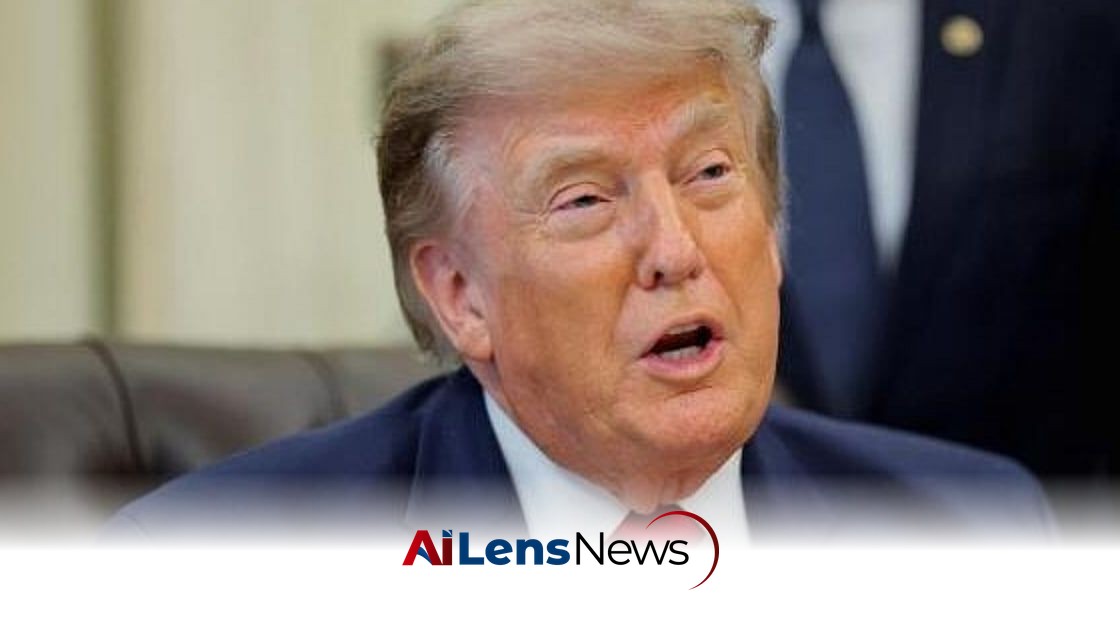
Trump’s announcement was made during a ceremony at the White House, where he was flanked by state officials who praised the decision as a victory for local governance and economic development. "We're doing something very dramatic and very important for the people of Utah, and the people of our country, because many people use it," Trump stated, emphasizing his administration's commitment to reducing federal control over land and returning authority to state and local governments.
The implications of these reductions extend beyond immediate land use. They reflect a broader trend in U.S. environmental policy under the Trump administration, which sought to prioritize economic development over conservation. The move to shrink national monuments has been met with legal challenges from various advocacy groups and Native American tribes, who argue that the reductions violate the Antiquities Act of 1906, which grants the president the authority to designate national monuments but does not explicitly allow for their reduction.
The Antiquities Act has been a pivotal piece of legislation in U.S. history, allowing presidents to protect significant natural and cultural sites without the need for congressional approval. This act has been used by both Republican and Democratic presidents to establish national monuments that preserve important landscapes and heritage. However, the act does not provide clear guidance on the process for reducing the size of existing monuments, leading to legal ambiguities that have fueled disputes over the Trump administration's actions.
In the wake of Trump's actions, former President Joe Biden took steps to restore the original boundaries of both monuments. However, this back-and-forth has created a contentious political landscape in Utah, where local leaders and residents remain divided on the issue. Some argue that the federal government should have a limited role in land management, while others believe that federal protections are essential for preserving the natural and cultural heritage of the region.
The debate over the fate of Utah's national monuments also highlights the ongoing tension between conservation efforts and economic development, particularly in rural areas where communities often rely on resource extraction for their livelihoods. The reduction of these monuments has potential implications for tourism, recreation, and local economies, as well as for the preservation of natural landscapes and cultural sites that define the character of the region.
Tourism plays a crucial role in the economies of areas surrounding these national monuments. Outdoor recreation, including hiking, camping, and sightseeing, attracts visitors from around the world, contributing significantly to local businesses. The potential for increased development following the reductions raises concerns among those who fear it could undermine the very attractions that draw tourists to the region. Environmentalists argue that the unique ecosystems and biodiversity found in these areas are irreplaceable and that any development could have long-lasting negative effects.
As discussions surrounding land use and environmental policy continue, the situation in Utah serves as a microcosm of the larger national debate regarding the balance between conservation and development. The future of Bears Ears and Grand Staircase-Escalante will likely remain a contentious issue, with ongoing legal battles and political maneuvering expected in the coming years. The outcome of these disputes will not only affect the landscapes of Utah but could also set precedents for how national monuments are managed and protected across the United States.
The implications of these changes extend beyond the immediate geography of Utah. They resonate with broader national conversations about the role of federal authority in environmental protection, the rights of indigenous peoples, and the economic needs of local communities. As climate change and environmental degradation become increasingly pressing issues, the management of natural resources and protected lands will remain at the forefront of political and social discourse.
In conclusion, the reduction of the Bears Ears and Grand Staircase-Escalante National Monuments by over 90% under President Trump has sparked a significant and ongoing debate about land management, environmental protection, and the rights of indigenous peoples. As both sides of the argument continue to advocate for their respective interests, the future of these iconic landscapes hangs in the balance, serving as a reminder of the complexities and challenges surrounding conservation in the modern era. The outcome of this debate will likely influence not only the specific areas of Utah but also the broader framework of national policy regarding the protection of natural and cultural resources in the United States.
To learn more about the latest developments in Political Controversies, stay updated with our exclusive reports and analyses on AiLensNews.

