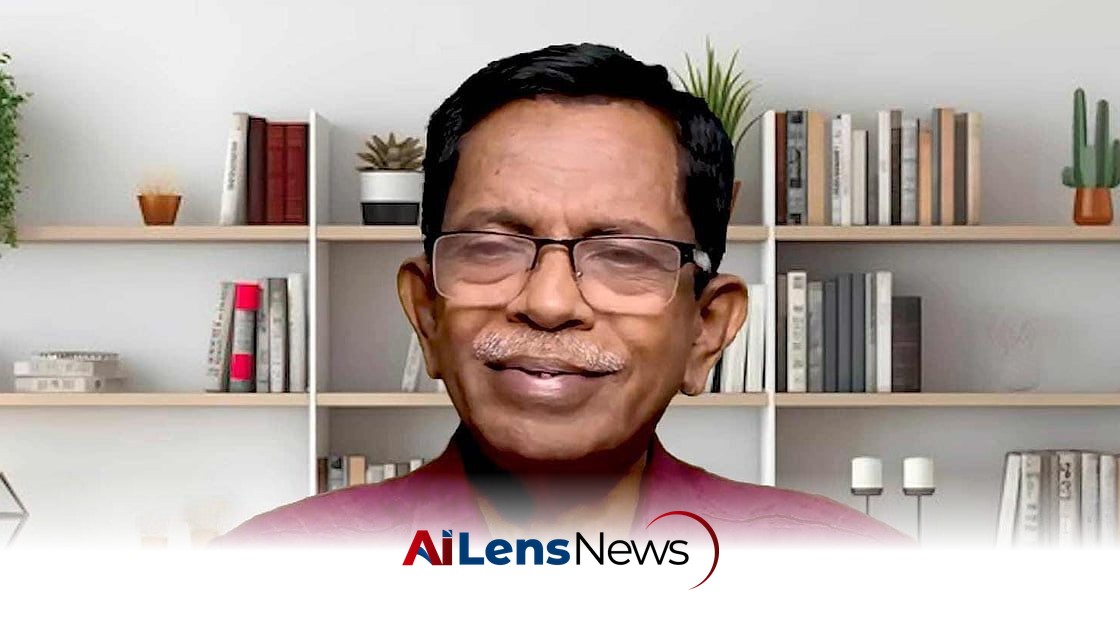


TG Mohandas, a former BJP leader, made shocking statements about protesters at Jantar Mantar, suggesting violence and derogatory remarks about women.
New Delhi, India Jul 27, 2026 ALN: TG Mohandas, a prominent figure in the Hindutva movement and former head of the Bharatiya Janata Party (BJP) Intellectual Cell in Kerala, has recently made highly controversial statements advocating violence against protesters. His remarks, which were captured in several videos posted on a YouTube channel called Pathrika, have raised significant alarm and sparked outrage among various segments of society, including political analysts, activists, and the general public.
The context of Mohandas's statements centers around a protest organized by the Cockroach Janata Party (CJP) at Jantar Mantar, which sought accountability regarding the NEET paper leak. The NEET exam, or National Eligibility cum Entrance Test, is a crucial examination in India for students aspiring to enter medical colleges. Allegations of a paper leak could undermine the integrity of the examination process and raise concerns about fairness in the education system. The CJP's protests, which lasted for 36 days, were a response to these serious allegations and aimed to bring attention to the issue and demand justice.
In one of the videos released on July 26, Mohandas outlined his approach to handling the protest in a manner that many would consider extreme and violent. He stated, “I will impose a curfew in that area. I will announce the crowd to disperse three times. Then I will shoot; people will scatter and run. Some may die and some may suffer injuries. Within four hours the situation will be calm. The bodies will be collected and taken to hospitals.” This statement not only advocates for the use of lethal force against protesters but also reflects a troubling mindset regarding the value of human life in the context of political dissent.
In another video, Mohandas made alarming comments regarding the safety of women at the protest, suggesting that the absence of police would lead to sexual violence. He stated, “Rapes will happen, mass rapes…there are girls who like rape…there are people who like rapes, especially, leftist, secular, democratic, proletarian class of people.” Such statements perpetuate harmful stereotypes and contribute to a culture of violence against women, which is a significant issue in India, where gender-based violence remains pervasive. By suggesting that certain groups of people are predisposed to violence or that women might welcome such acts, Mohandas's comments reflect a dangerous rhetoric that can incite further violence and discrimination.
These videos came to light following the resignation of Union Education Minister Dharmendra Pradhan, which occurred in the wake of the prolonged protests by the CJP. Pradhan's resignation signified a significant political shift and highlighted the government's inability to address the concerns raised by the protesters. Mohandas's incendiary comments appear to be an attempt to delegitimize the protesters and incite violence against them, further complicating an already tense political atmosphere.
In a separate video from July 24, Mohandas encouraged physical confrontations with student protesters, asserting that police had the right to conceal their name badges and that students were appearing in police uniforms at the protest site. He claimed, “Police beat them inside the barricade and outside the barricade; the police were also beaten up.” This narrative not only incites violence against protesters but also undermines the role of law enforcement in maintaining order and protecting citizens' rights to peaceful assembly and protest.
Mohandas's statements have not gone unnoticed. His comments have drawn widespread condemnation from various quarters, with many individuals and organizations calling for his arrest. The backlash reflects a growing concern about the normalization of violent rhetoric in political discourse, particularly in the context of dissent against government policies. In a democracy, the right to protest is a fundamental aspect of civic engagement, and any calls for violence against protesters threaten the very fabric of democratic society.
The implications of Mohandas's statements extend beyond the immediate outrage they have provoked. They raise critical questions about the state of political discourse in India, especially in the context of the rising influence of Hindutva ideology. The normalization of violent rhetoric can have a chilling effect on dissent, leading to increased fear among activists and ordinary citizens who wish to express their views. Furthermore, it can embolden individuals who may feel justified in using violence against those they perceive as opponents.
Moreover, Mohandas's comments come at a time when India is grappling with significant social and political challenges, including issues related to freedom of speech, the treatment of minorities, and the role of state power in suppressing dissent. The government's response to such rhetoric will be crucial in determining whether the country can uphold its democratic values and protect the rights of its citizens to protest peacefully.
As the situation develops, it remains to be seen how authorities will respond to the calls for action against Mohandas and what measures will be taken to ensure the safety of protesters in the future. The incident serves as a stark reminder of the ongoing tensions in Indian society, where political ideologies clash and the right to dissent is increasingly under threat. It also highlights the need for a robust dialogue on the limits of free speech and the responsibilities that come with it, particularly for public figures who wield significant influence over their followers.
In conclusion, TG Mohandas's recent statements advocating violence against protesters are not only alarming but also indicative of a broader trend of intolerance towards dissent in India. The backlash against his comments underscores the importance of upholding democratic values and protecting the rights of individuals to express their views without fear of violence or retribution. As the nation continues to navigate its complex political landscape, fostering a culture of respectful dialogue and understanding will be essential for ensuring a more inclusive and just society.
To learn more about the latest developments in Political Controversies, stay updated with our exclusive reports and analyses on AiLensNews.

