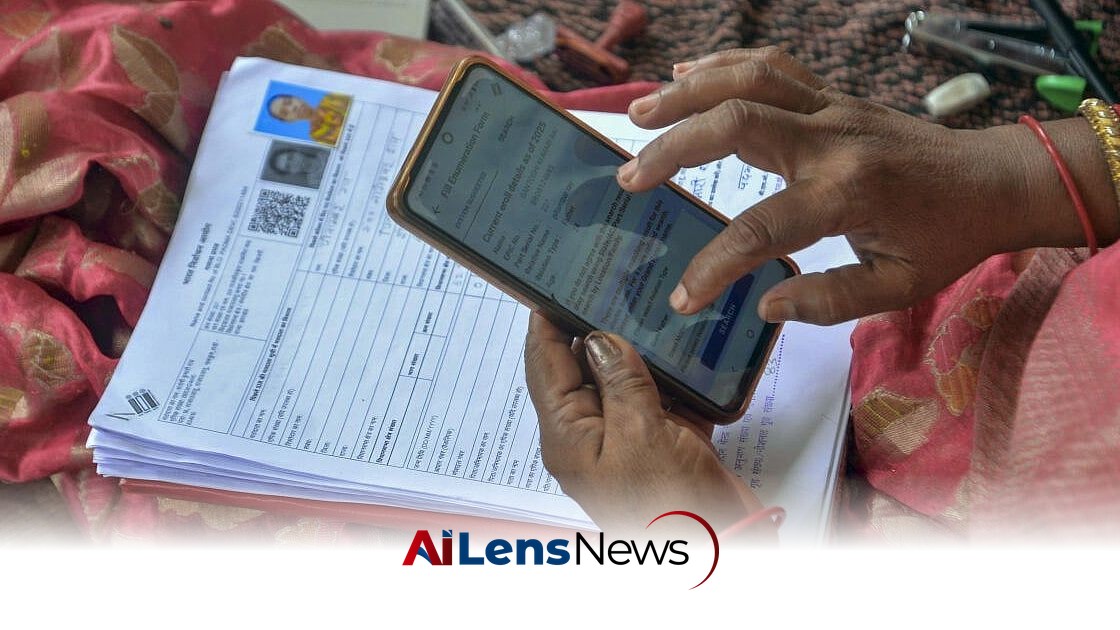


The Telangana government is exploring the introduction of a Permanent Residence Certificate (PRC) similar to Karnataka's system to aid long-term residents.
New Delhi, India Jul 13, 2026 ALN: Hyderabad: The Congress government in Telangana is contemplating the establishment of a Permanent Residence Certificate (PRC) system, which would be modeled after a similar initiative in Karnataka. This proposal is currently under consideration following a formal representation made by Mohammed Ali Shabbir, who serves as an advisor to the Telangana Government, to Chief Minister A Revanth Reddy. The aim is to create a standardized government document that would assist long-term residents in proving their permanent residence, particularly in light of the ongoing Special Intensive Revision (SIR) of electoral rolls.
The SIR process is crucial, as it aims to update the electoral rolls to reflect the current population accurately. This is particularly important in a state like Telangana, where demographic changes and migration patterns can significantly affect voter registration. Shabbir highlighted that the Chief Minister has discussed the potential of this proposal with senior officials, indicating a governmental interest in addressing the challenges faced by residents in proving their citizenship and residence status.
One of the key issues that the proposed PRC system aims to address is the difficulty faced by residents who are unable to trace their names or those of their family members in the electoral rolls from 2002, which are being used as a reference during the SIR exercise. The Election Commission of India has indicated that a Permanent Residence Certificate issued by a competent state authority could be included in the list of documents considered during the verification process. Thus, a PRC issued by the Telangana Government could serve as an essential supporting document for residents who are asked to establish their eligibility for voting.
Shabbir Ali clarified that during the initial house-to-house enumeration exercise, voters are not required to submit documents. However, those whose names cannot be linked to the 2002 electoral rolls may receive notices later, requesting them to provide supporting documentation to the electoral authorities. This highlights the importance of having a reliable means of establishing residency, especially for those who may have faced difficulties in maintaining consistent documentation over the years.
The proposed PRC could be particularly beneficial for various groups within the population. For instance, individuals who were too young to register as voters in 2002, women who have changed their names and addresses after marriage, families that have relocated between constituencies or districts, and residents whose names are hard to trace due to discrepancies in spelling or transliteration in historical records could all find the PRC system advantageous. Additionally, it could assist economically disadvantaged individuals and the elderly who might lack access to old birth, school, property, or employment records, as well as long-term residents whose documentation is scattered across multiple government departments.
Shabbir elaborated on the Karnataka model, which issues the PRC after thorough inquiry and verification of the applicant’s permanent residence. In this model, revenue officials are empowered to consider the totality of available evidence rather than rejecting an application simply due to the absence of a specific document. This flexibility allows for a more inclusive approach to residency verification.
In Karnataka, various forms of evidence can be submitted to support an application for a PRC, including proof of birth in the state, long-term residence, educational records, the residence status of parents or spouses, property records, electoral entries, Aadhaar cards, ration cards, and government service records. In cases where documentary evidence is insufficient, local enquiries can be conducted to gather additional information. This comprehensive approach ensures that genuine residents are not disadvantaged due to missing documents.
Shabbir emphasized that implementing a similar flexible and transparent system in Telangana could alleviate the hardships faced by residents who may not have a single document to prove their residency but possess multiple records that collectively demonstrate their long-standing association with the state. The objective of his representation is to ensure that genuine residents are not placed at a disadvantage simply because their names or those of their family members cannot be found in electoral records that were prepared nearly 25 years ago.
“A properly designed PRC system could provide people with a current, government-verified residence document while allowing the authorities to conduct all necessary checks. It could reduce the documentation burden without diluting the verification process,” Shabbir Ali stated. This statement underscores the need for a balanced approach that protects the integrity of the electoral process while also accommodating the realities faced by many residents.
The implications of introducing a PRC system in Telangana could be significant. Not only would it streamline the process of establishing residency for electoral purposes, but it could also enhance the overall governance framework by providing a reliable means of identification for residents in various administrative contexts. Furthermore, it could foster greater civic engagement by ensuring that more residents are able to participate in the electoral process, thereby strengthening the democratic fabric of the state.
Shabbir expressed optimism that the proposed cabinet sub-committee would thoroughly examine the Karnataka model and recommend an appropriate framework tailored to Telangana’s unique administrative and legal requirements. This careful consideration is essential to ensure that the PRC system is implemented effectively and meets the needs of the population. As discussions around this proposal continue, it will be important for the government to engage with various stakeholders, including civil society organizations, legal experts, and the general public, to gather insights and feedback that could shape the final design of the PRC system.
In conclusion, the consideration of a Permanent Residence Certificate system in Telangana reflects a proactive approach by the state government to address the challenges faced by residents in proving their eligibility to vote. By learning from the experiences of Karnataka and adapting the model to suit local conditions, Telangana has the opportunity to create a more inclusive and efficient electoral process. As the cabinet sub-committee moves forward with its examination of the proposal, the outcome could have lasting implications for governance, civic participation, and the overall democratic health of the state.
To learn more about the latest developments in Policies & Reforms, stay updated with our exclusive reports and analyses on AiLensNews.

