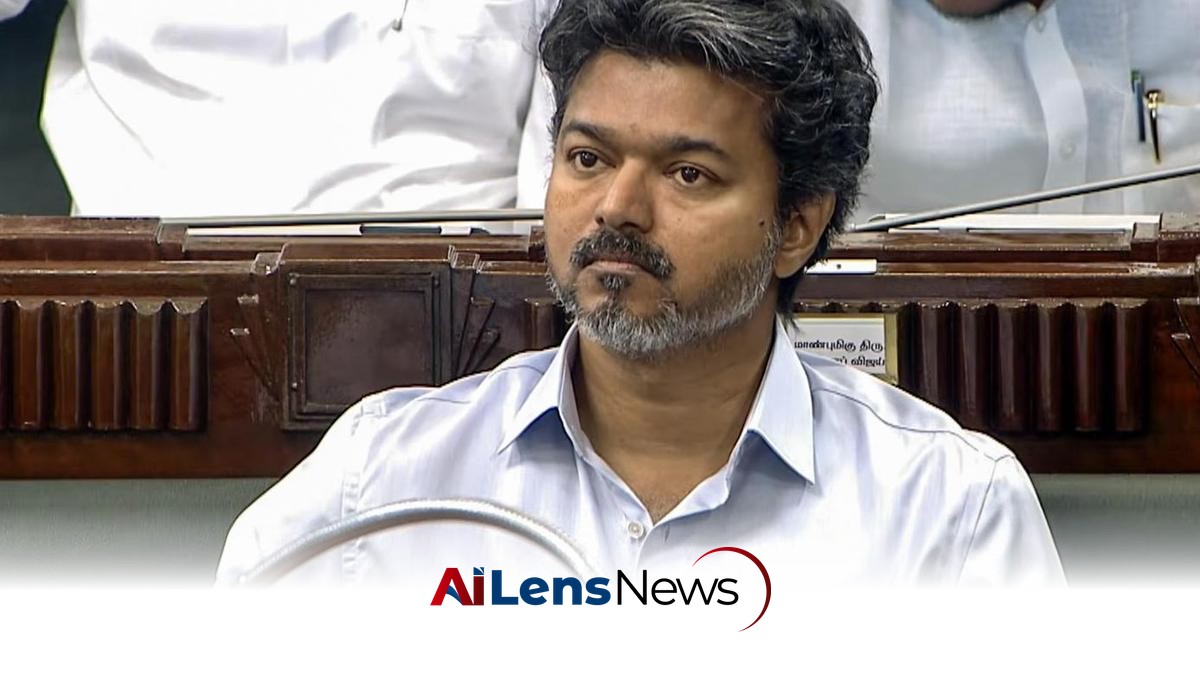



Chief Minister C. Joseph Vijay plans to introduce a resolution in the Assembly to freeze the number of Lok Sabha seats at 543, emphasizing the need for a stable inter-State distribution.
Chennai, India Aug 12, 2026 ALN: Chief Minister C. Joseph Vijay is expected to move a resolution in the Assembly on Wednesday (August 11, 2026) regarding the proposed delimitation exercise, urging the Union government to permanently maintain the existing strength of the Lok Sabha at 543 and retain the current inter-State distribution of seats. This move comes at a time when discussions around delimitation—an important process in the Indian political landscape—are gaining momentum, with implications that could significantly affect representation in the Lok Sabha and the overall political balance within the country.
Delimitation refers to the process of redrawing the boundaries of the various electoral constituencies in India. This exercise is typically conducted every ten years, following the completion of a census, to ensure that each constituency has a roughly equal population size. The last delimitation exercise for the Lok Sabha and State Assemblies was carried out in 2008, based on the 2001 census. Since then, the population dynamics in various states have changed considerably, leading to calls for a new delimitation process based on the 2011 census data. However, the implementation of this process has been fraught with controversy and political maneuvering.
The necessity for delimitation arises from the need to reflect changes in population and demographics accurately. With India's population steadily increasing, certain states have experienced significant growth, while others have seen stagnation or decline. This disparity raises concerns about equitable representation in the Lok Sabha, as constituencies that have not been redrawn may become less representative of their current populations. The implications of such changes could be profound, affecting not only political representation but also resource allocation and development priorities across states.
Mr. Vijay had, on August 8, 2026, convened a meeting with Members of Parliament at Kalaivanar Arangam in Chennai. Of the total 57 MPs—39 in the Lok Sabha and 18 in the Rajya Sabha—from the state, only 19 MPs participated. This low turnout raises questions about the level of consensus among political representatives regarding the proposed changes to the delimitation process. At the meeting, it was decided to adopt a resolution in the Assembly to protect the rights of the southern states, which have historically been concerned about losing representation in the Lok Sabha due to population shifts favoring northern states.
The southern states, including , Kerala, Karnataka, Andhra Pradesh, and Telangana, have been particularly vocal about their representation concerns. These states argue that a new delimitation exercise based on the 2011 census could lead to a reduction in their Lok Sabha seats, as population growth has been more pronounced in northern states such as Uttar Pradesh and Bihar. This potential shift in power dynamics raises fears that southern states could lose their influence in national politics, which has historically been significant.
The resolution is also likely to emphasize maintaining the current Lok Sabha-Rajya Sabha ratio of 2.2:1, a ratio that has been a point of reference in discussions about representation in the Parliament. The Rajya Sabha, being the upper house, has a different composition and serves to represent the states and union territories of India. The maintenance of this ratio is important for ensuring that states are adequately represented in the legislative process, particularly in light of potential changes that could arise from a new delimitation exercise.
In addition to advocating for the preservation of the current number of Lok Sabha seats, the resolution is expected to call for the implementation of 33% reservation for women in the 2029 Lok Sabha and subsequent Assembly elections without any delay, based on the existing 543 seats. This push for women's reservation is part of a broader agenda to enhance female representation in Indian politics, which has been historically low. The introduction of such a reservation would mark a significant step towards gender parity in legislative bodies, though it has also faced opposition from various quarters.
The implications of the proposed resolution are significant. If the Union government accepts the call to maintain the current strength of the Lok Sabha, it could prevent potential shifts in political power that might arise from a new delimitation exercise. Such shifts could disproportionately affect southern states, which have often expressed concerns about their representation being diminished relative to states with larger populations. The southern states have been vocal about the need to protect their interests in the face of demographic changes that favor northern states.
Moreover, the broader political climate surrounding delimitation is characterized by a lack of consensus among various political parties. Different parties have divergent views on how delimitation should be conducted, with some advocating for a more equitable distribution of seats based on current population data, while others seek to maintain the status quo to protect their political interests. This lack of consensus complicates the process and raises questions about the feasibility of any proposed changes.
Additionally, the issue of delimitation is interlinked with the ongoing debates about representation and federalism in India. The balance of power between the central government and state governments is a critical aspect of Indian democracy, and any changes to the delimitation process could have far-reaching consequences for this balance. As such, the resolution proposed by Chief Minister Vijay is not just about the number of seats in the Lok Sabha; it is also about the fundamental principles of representation and governance in India.
In conclusion, the resolution to maintain the existing strength of the Lok Sabha at 543 and retain the current inter-State distribution of seats is a significant political move by Chief Minister C. Joseph Vijay. It reflects the concerns of southern states regarding representation and highlights the complexities surrounding the delimitation process in India. As discussions continue, the implications of this resolution will unfold, potentially shaping the future of political representation in the country. The call for women's reservation further underscores the need for progressive reforms in Indian politics, aiming to create a more inclusive legislative framework. The outcome of these deliberations will be closely watched, as they have the potential to influence the political landscape in the coming years.
To learn more about the latest developments in Elections, stay updated with our exclusive reports and analyses on AILensNews.

