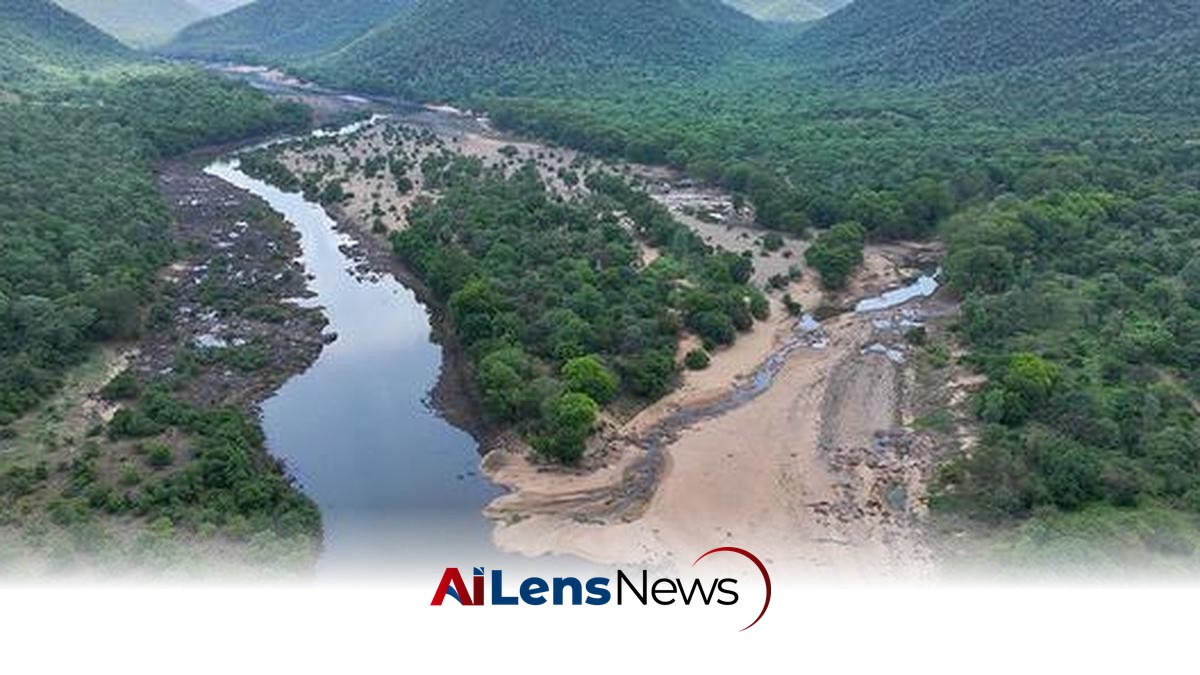


The Union government has reaffirmed its position on the Mekedatu dam project in response to concerns raised by Karnataka's Chief Minister regarding its impact on the Cauvery delta.
Chennai, India Jul 31, 2026 ALN: The Mekedatu dam project has emerged as a contentious issue between the Union government and the state of , particularly in the context of water resource management and inter-state relations. Proposed by the Karnataka government, this project aims to construct a dam across the Cauvery River at Mekedatu, which is located at the confluence of the river and the tributary Arkavathi. The primary objective of the dam is to provide drinking water and hydroelectric power to the state of Karnataka while also addressing the irrigation needs of the region. However, the project has faced significant opposition from , which argues that it could adversely affect water availability in the Cauvery delta region, an area that relies heavily on the river for agriculture and drinking water supply.
The ongoing debate around the Mekedatu dam project is rooted in the historical context of the Cauvery river water dispute, which has been a long-standing issue between Karnataka and . The Cauvery Water Disputes Tribunal, which was constituted to resolve the conflict over water sharing, issued its final award in 2007. This award laid down the guidelines for the distribution of water between the states and established a regulated flow regime. The tribunal's decision was intended to ensure equitable distribution of the river's resources, taking into account the needs of both upper and lower riparian states. However, the implementation of this award has been fraught with challenges, leading to periodic tensions between the states involved.
In the recent Lok Sabha session, Union Minister of State for Jal Shakti, Raj Bhushan Choudhary, reiterated the Union government's position regarding the Mekedatu dam project. He emphasized that the Supreme Court's judgment in February 2018 regarding the Cauvery dispute did not mandate Karnataka to obtain consent from other riparian states, namely Kerala and Puducherry, for the construction of any structure across the river. This interpretation of the court's ruling has been a point of contention, particularly for , which argues that the project poses a significant risk to the water-sharing agreement established by the tribunal.
Chief Minister of , C. Joseph Vijay, has been vocal in his opposition to the Mekedatu project. In his response to the Union government's stance, he expressed concerns that the project cannot be viewed merely as an engineering endeavor. He highlighted the potential implications of the dam on the regulated flow regime that was established under the tribunal's award. The Chief Minister's letter to Prime Minister Narendra Modi underscores his belief that any project with the potential to affect water deliveries to lower riparian states requires thorough scrutiny and consideration of the established agreements.
The controversy surrounding the Mekedatu dam project reflects broader issues related to water governance in India. Water scarcity and management are critical challenges faced by many states, particularly in the context of climate change and increasing demand for water resources. The Cauvery River, which flows through multiple states, serves as a vital lifeline for millions of people, supporting agriculture, drinking water supply, and energy generation. As such, any project that seeks to alter the flow of this river has far-reaching implications for the livelihoods of those who depend on it.
The Union government's support for the Mekedatu project indicates its prioritization of Karnataka's needs, particularly in light of the state's growing population and urbanization. However, this approach raises questions about the equity of water resource distribution among states. Critics argue that the central government's backing of the project may exacerbate existing tensions and contribute to a sense of injustice among those who rely on the river's water in and other downstream areas.
Moreover, the Mekedatu dam project has implications for regional politics. The dynamics between the ruling parties in Karnataka and are influenced by the water dispute, with each state leveraging public sentiment regarding water rights to bolster political support. The opposition to the project from 's political leaders is not merely a technical disagreement but also a rallying point for regional identity and rights over shared resources. The political stakes are high, as both states seek to assert their claims over the Cauvery River, which has historically been a source of conflict.
As the Mekedatu dam project moves forward, it is essential for all stakeholders to engage in constructive dialogue to address the concerns raised by and other affected parties. The Union government must navigate the complex landscape of inter-state relations while ensuring that water resource management is equitable and sustainable. This situation presents an opportunity for a more collaborative approach to water governance in India, one that recognizes the interconnectedness of states and the need for cooperative management of shared resources.
The Mekedatu project also raises questions about environmental sustainability. Large-scale infrastructure projects like dams can have significant ecological impacts, including alterations to local ecosystems, changes in sediment transport, and effects on fish populations. Environmentalists have raised concerns that the Mekedatu dam could disrupt the natural flow of the Cauvery River, leading to negative consequences for biodiversity and the health of the riverine ecosystem. These environmental implications must be taken into account alongside the economic and social factors at play.
In conclusion, the Mekedatu dam project serves as a microcosm of the larger challenges facing water resource management in India. As the Union government reiterates its stance on the project, it must also consider the broader implications for inter-state relations, regional politics, and the livelihoods of millions who depend on the Cauvery River. The path forward will require careful consideration of legal, environmental, and social factors to ensure that the needs of all stakeholders are met in a manner that fosters cooperation rather than conflict. The future of the Mekedatu dam project will likely shape the discourse on water rights and resource management in India for years to come, highlighting the critical importance of collaborative governance in addressing shared challenges.
To learn more about the latest developments in Elections, stay updated with our exclusive reports and analyses on AiLensNews.

