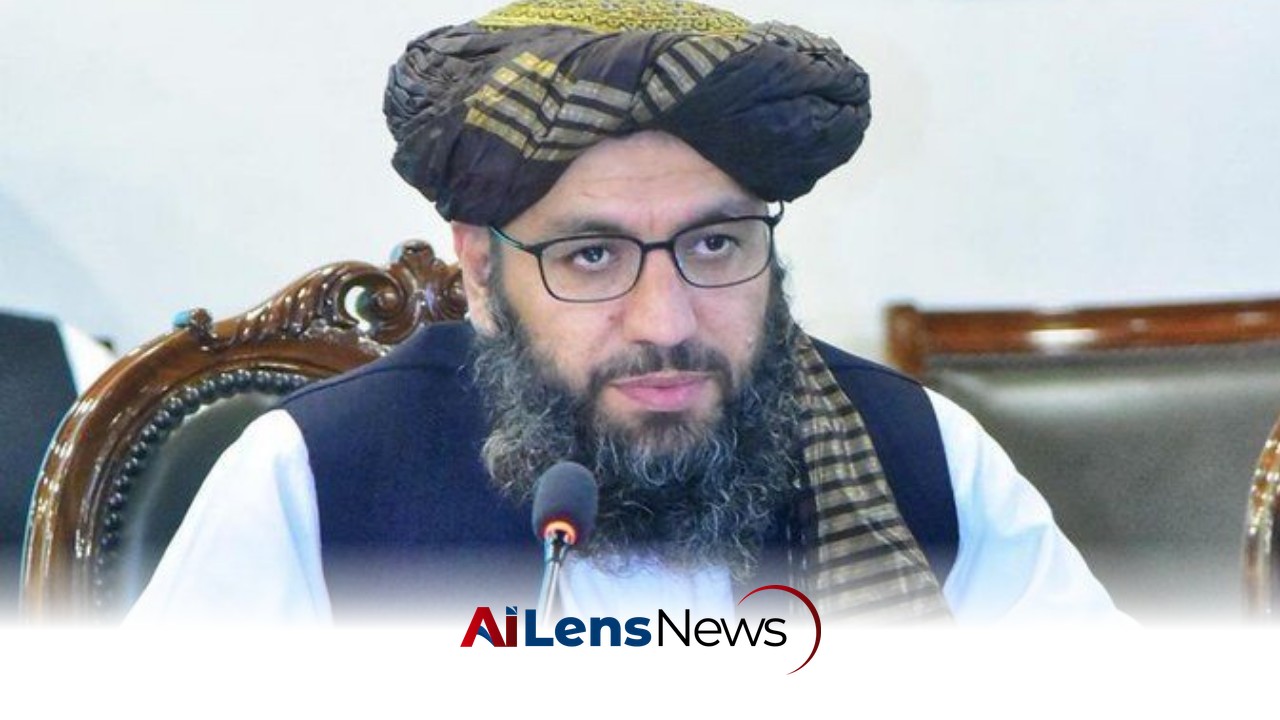


The Taliban will commemorate the fifth anniversary of their return to power in Afghanistan with a celebration at their embassy in Delhi, focusing on trade and regional security.
New Delhi, India Aug 14, 2026 ALN: As the Taliban continues to strengthen its diplomatic ties, particularly in the realms of trade and humanitarian aid, they are set to celebrate the fifth anniversary of their Victory Day in the Afghan embassy in New Delhi on Monday. This event marks a significant moment in the Taliban's history, commemorating their return to Kabul on August 15, 2021, following the withdrawal of US-led NATO forces. This day is emblematic of the Taliban's resurgence in Afghanistan and serves as a reminder of the complex geopolitical dynamics that have unfolded since their takeover.
Victory Day is an annual observance for the Taliban, symbolizing their resurgence in Afghanistan. The celebration is not just a reflection of their military success but also an assertion of their governance and political legitimacy in the region. For the Taliban, this day represents the culmination of decades of conflict, resistance, and eventual triumph over foreign military presence. It is a moment of national pride for their supporters and a critical aspect of their narrative that seeks to legitimize their rule both domestically and internationally.
The significance of this day extends beyond mere celebration; it is a tool for propaganda and a means to consolidate power within Afghanistan. By commemorating their victory, the Taliban aims to reinforce their authority and promote a sense of national unity among the Afghan populace, which has been deeply fragmented due to years of war and political instability. The observance also serves as a reminder to the international community of their resilience and determination to govern Afghanistan according to their interpretation of Islamic law.
The Taliban's engagement with various nations is increasingly pragmatic, emphasizing trade relations and humanitarian assistance. This approach aims to foster stability in Afghanistan and improve its international standing. The Taliban recognizes that to gain legitimacy on the world stage, they must demonstrate a commitment to economic development and the well-being of their citizens. As such, they are actively seeking partnerships that can provide much-needed resources and support.
Trade relations are particularly crucial for Afghanistan, a country long reliant on foreign aid and external support. The Taliban's diplomatic outreach includes efforts to establish trade agreements with neighboring countries, which could potentially open new markets for Afghan goods and create job opportunities for its citizens. Additionally, the emphasis on humanitarian aid is vital, especially in light of the ongoing economic crisis and humanitarian challenges facing the Afghan people, including food insecurity and lack of healthcare.
In this context, the Taliban's focus on trade and humanitarian aid can be seen as a strategic maneuver to alleviate the dire economic conditions in Afghanistan while simultaneously attempting to gain recognition and acceptance from the international community. By showcasing their willingness to engage in constructive dialogue and cooperation, the Taliban hopes to shift perceptions and foster a more favorable environment for foreign investment and assistance.
The upcoming celebrations have drawn mixed reactions from the international community. While some countries remain cautious about engaging with the Taliban, others see potential for dialogue and cooperation, especially concerning regional security and economic development. The international response is shaped by a variety of factors, including national interests, historical relationships with Afghanistan, and broader geopolitical considerations.
Countries such as Pakistan, China, and Russia have expressed a willingness to engage with the Taliban, recognizing the strategic importance of Afghanistan in regional stability and counterterrorism efforts. These nations view the Taliban as a key player in addressing security concerns, particularly regarding the potential resurgence of extremist groups in the region. Conversely, Western nations, particularly the United States and European countries, have taken a more cautious stance, emphasizing the need for the Taliban to uphold human rights and adhere to international norms before formalizing diplomatic relations.
The mixed international reactions highlight the complexities of engaging with the Taliban, as many countries grapple with the implications of their rule on regional security and stability. The Taliban's commitment to countering terrorism and ensuring a stable Afghanistan will be critical factors influencing future diplomatic interactions. Furthermore, the humanitarian situation in Afghanistan remains a pressing issue, with many countries advocating for support to alleviate the suffering of the Afghan people while also holding the Taliban accountable for their governance.
The Taliban's Victory Day celebrations in Delhi could pave the way for enhanced diplomatic interactions. As Afghanistan seeks to navigate its post-war landscape, the focus on trade and humanitarian efforts may influence future relations with neighboring countries. The potential for increased trade and cooperation in humanitarian aid could lead to a more stable Afghanistan, which is in the interest of regional players.
Moreover, the Taliban's ability to manage internal challenges, such as governance, security, and economic stability, will be closely scrutinized by the international community. Success in these areas could lead to a gradual normalization of relations, while failure could result in renewed isolation and economic hardship. The Taliban's approach to governance, particularly regarding human rights and the treatment of women, will also play a significant role in shaping international perceptions and engagement.
In conclusion, the Taliban's commemoration of Victory Day represents not only a significant historical moment but also a strategic move towards solidifying their position on the global stage. As they engage with nations, the implications for regional politics and security will be closely monitored. The outcome of these diplomatic efforts could have lasting effects on Afghanistan's future, influencing both its internal dynamics and its role in the broader international community.
To learn more about the latest developments in Political Controversies, stay updated with our exclusive reports and analyses on AiLensNews.

