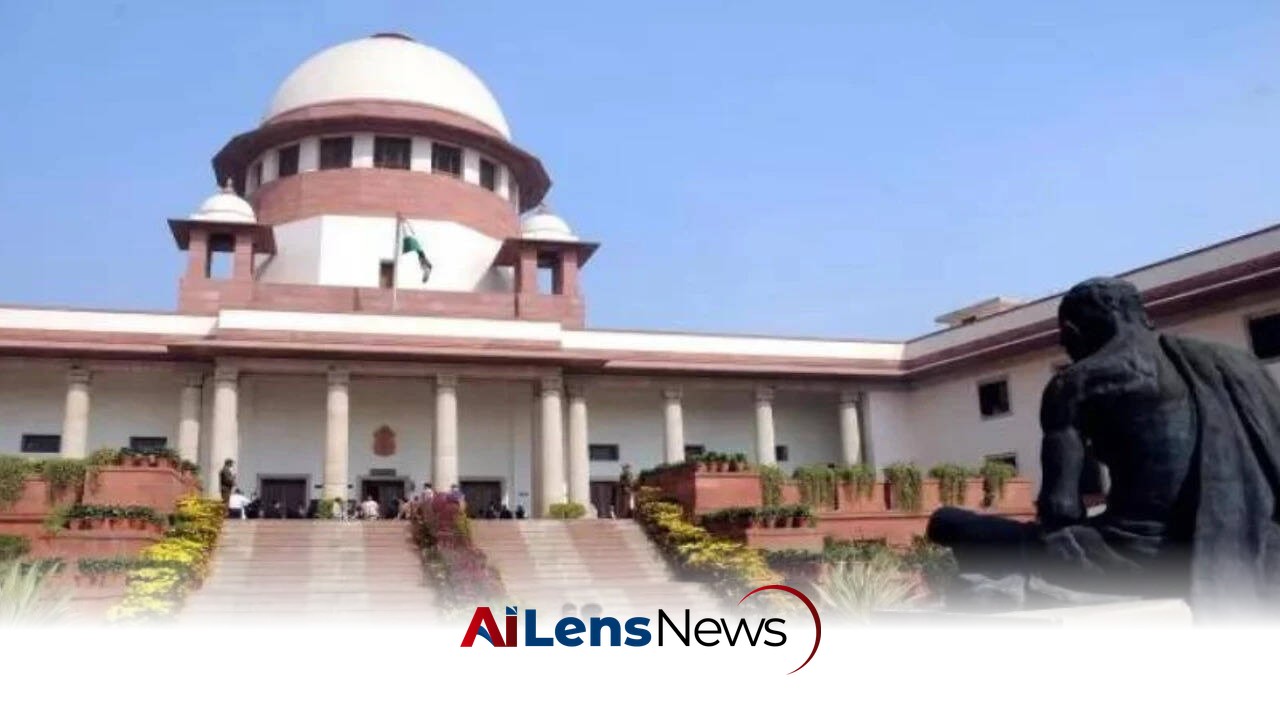


The Supreme Court has lifted a two-year ban on industries in the Taj Trapezium Zone, paving the way for employment opportunities just months before the UP assembly elections.
New Delhi, India Jul 24, 2026 ALN: In a significant ruling, the Supreme Court of has lifted a two-year-old blanket ban on the establishment of industries within the Taj Trapezium Zone. This area, which spans approximately 10,400 square kilometers across five districts in Uttar Pradesh and one in Rajasthan, is known for its proximity to the iconic Taj Mahal. The Supreme Court's decision marks a crucial turning point in the ongoing dialogue between environmental conservation and economic development.
The decision, announced on Thursday, aims to stimulate economic growth and create job opportunities in the region. The ban was initially imposed to protect the environment and preserve the cultural heritage surrounding the Taj Mahal, a UNESCO World Heritage Site. However, the court's latest ruling reflects a shift in focus towards balancing environmental concerns with economic development, highlighting the complexities involved in managing such a historically and environmentally significant area.
The lifting of the ban comes at a crucial time, as Uttar Pradesh prepares for assembly elections in the coming months. Political analysts suggest that this move could be strategically timed to bolster employment and economic prospects in the state, potentially influencing voter sentiment. The timing of the ruling raises questions about the interplay between judicial decisions and political motivations, as well as the potential for economic promises to sway public opinion in favor of the ruling party.
The blanket ban on industrial activities in the Taj Trapezium Zone was enforced to mitigate pollution and safeguard the integrity of the Taj Mahal. Environmentalists had raised concerns about the impact of industrial emissions on the monument and its surroundings. The Supreme Court's previous rulings had emphasized the importance of preserving the area’s ecological balance, which is home to diverse flora and fauna as well as several other historical monuments.
The ban was initially enacted in 1996, with the intention of curtailing pollution levels that could damage the Taj Mahal, which is made of white marble and is particularly susceptible to discoloration from pollutants. Over the years, various studies have indicated that industrial activities, including those that produce smoke and other emissions, could lead to irreversible damage to the monument. The Supreme Court had previously mandated that industries within the zone adhere to strict environmental regulations to mitigate these risks.
In addition to the direct impact on the Taj Mahal, the ban was also a response to the broader environmental challenges faced by the region, including air and water pollution. The Taj Trapezium Zone is not only a cultural landmark but also a critical ecological area that supports various species and natural habitats. The court's decisions over the years have reflected a commitment to protecting both the cultural and environmental integrity of the region.
With the ban now lifted, several industries may consider setting up operations in the region, which could lead to significant economic benefits. The local government is expected to outline guidelines to ensure that industrial activities do not compromise environmental standards. This dual focus on economic development and environmental protection will be critical in determining the long-term sustainability of any new industries that are established.
Political parties in Uttar Pradesh have begun to react to the Supreme Court's decision. Some view it as a positive step towards economic revitalization, while others express concerns about the potential environmental consequences. The ruling is expected to feature prominently in election campaigns as parties outline their visions for sustainable development. The discourse surrounding this ruling is likely to involve a range of stakeholders, including local communities, environmental activists, and industry representatives.
The ruling has the potential to reshape political alliances and strategies as parties position themselves in relation to the economic opportunities and environmental concerns that will arise from the establishment of new industries. Voter sentiment may be influenced not only by the promise of jobs and economic growth but also by the perceived commitment of political leaders to protect the environment and cultural heritage.
As the state gears up for elections, the implications of this ruling will be closely monitored. Voters will likely consider the balance between economic development and environmental preservation as they make their choices at the polls. This decision could potentially reshape the political landscape in Uttar Pradesh, with parties vying to present themselves as champions of both economic growth and environmental stewardship.
In conclusion, the Supreme Court's decision to lift the ban on industries in the Taj Trapezium Zone marks a pivotal moment for both the region's economy and its environmental policies. The coming months will reveal how this ruling influences the political landscape in Uttar Pradesh, as well as its impact on the preservation of one of the world's most famous monuments. The challenge will be to ensure that the drive for economic development does not come at the expense of the cultural and environmental heritage that the Taj Mahal represents. The balance between these competing interests will be a central theme in the ongoing discussions surrounding the future of the Taj Trapezium Zone.
To learn more about the latest developments in Political Controversies, stay updated with our exclusive reports and analyses on AiLensNews.

