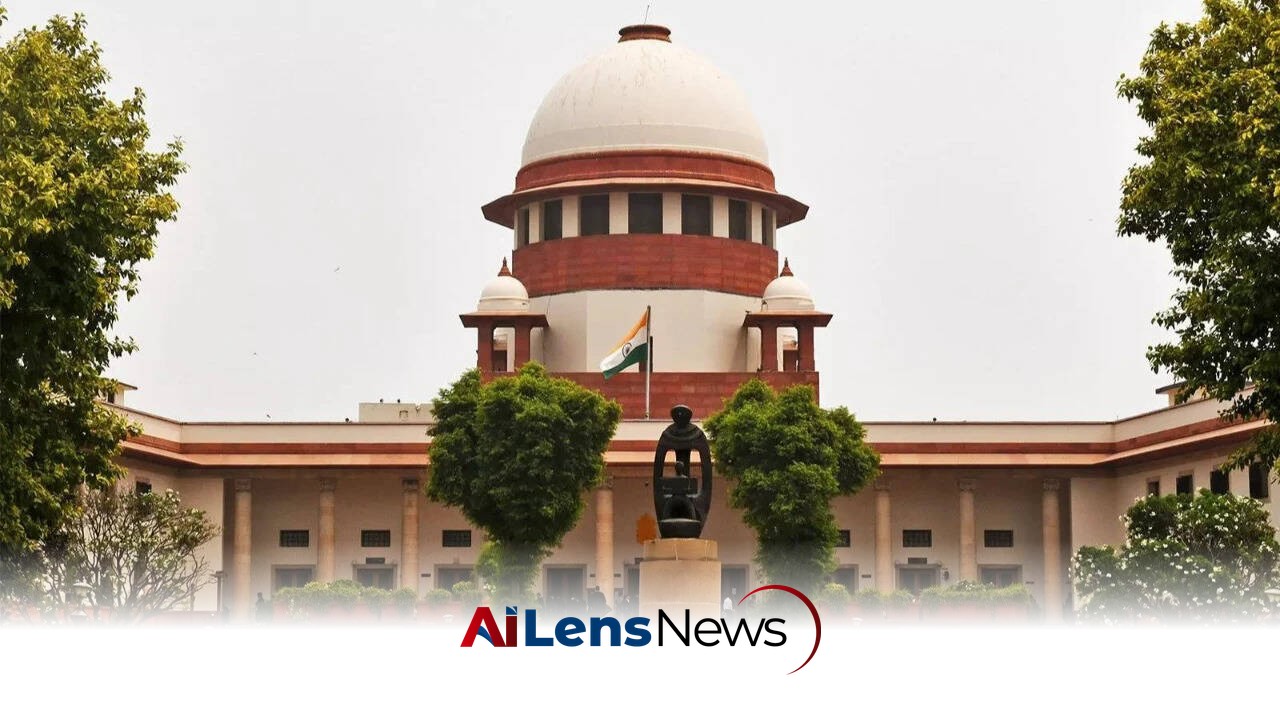


The Supreme Court has stayed a Madras High Court ruling, enabling Tamil Nadu to offer jobs to the families of those who died in the Karur stampede.
New Delhi, India Aug 15, 2026 ALN: The Supreme Court of has recently made a significant ruling that allows the Tamil Nadu government to proceed with its initiative to provide employment opportunities to the families of victims who lost their lives in the tragic Karur stampede that occurred last year. This decision comes as a relief to the bereaved families who have been grappling with the aftermath of the incident, which not only claimed lives but also left many families in dire straits. The stampede occurred during a religious event, an occasion that was meant to bring together communities in celebration and devotion. Unfortunately, the event turned tragic as a large crowd gathered, leading to chaos and the unfortunate deaths of several individuals. The incident highlighted the risks associated with mass gatherings, particularly in the context of inadequate crowd management and safety measures.
In response to this tragedy, the Tamil Nadu government proposed a scheme aimed at offering jobs to the next of kin of the deceased victims. This initiative was intended not only as a form of compensation but also as a means to help these families regain a sense of normalcy and financial stability in the wake of their loss. The proposal was viewed as a compassionate response to a devastating event, reflecting the state's commitment to supporting its citizens during a crisis.
The legal journey surrounding this initiative has been fraught with challenges. Initially, the Madras High Court had issued a ruling that quashed the Tamil Nadu government's proposal, raising questions about the legality and appropriateness of such a scheme. The court's decision created uncertainty for the affected families, who were left without clear guidance on how they would receive support after such a significant loss. The initial ruling by the Madras High Court was based on concerns regarding the procedural aspects of the job scheme and whether it fell within the legal parameters of governmental authority. This led to a situation where families who were already in distress were further burdened by legal uncertainties.
The Supreme Court's intervention, which stayed the operation of the Madras High Court's ruling, is a crucial development in this case. By reinstating the government's job offer, the Supreme Court has not only provided a lifeline to the bereaved families but has also underscored the importance of judicial oversight in matters of public welfare. The court's decision reflects a broader commitment to ensuring that citizens receive necessary assistance in the face of unforeseen tragedies. The ruling is particularly significant in a country like , where mass gatherings are common, and the need for effective crowd management and safety protocols is paramount.
The implications of the Supreme Court's ruling extend beyond the immediate relief it provides to the families of the Karur stampede victims. It serves as a reminder of the judiciary's vital role in safeguarding the rights and welfare of citizens, especially in situations where governmental actions are challenged. The ruling reinforces the idea that the state has a responsibility to support its citizens, particularly those who have suffered due to circumstances beyond their control. This case also raises important questions about the role of government in providing post-tragedy support and the legal frameworks that govern such initiatives.
Moreover, the decision may set a precedent for how similar cases are handled in the future, potentially encouraging other states to consider job schemes and support initiatives for families affected by tragic events. It highlights the need for governments to be proactive in offering assistance and for the judiciary to uphold these initiatives when they are deemed beneficial for public welfare. The ruling could inspire other regions to establish similar support mechanisms, thereby fostering a culture of accountability and compassion in public governance.
Officials from the Tamil Nadu government have expressed their relief and gratitude towards the Supreme Court's decision. They have reiterated their commitment to ensuring that the families of the victims receive the necessary support. The government plans to implement the job scheme promptly, recognizing the urgency of the situation and the importance of providing timely assistance to those affected. This swift action is critical, as the families have been dealing with the emotional and financial repercussions of their loss, and job opportunities can play a significant role in helping them rebuild their lives.
Additionally, community leaders and local organizations have welcomed the Supreme Court's ruling, viewing it as a step in the right direction for the welfare of the victims' families. There is a shared understanding that employment opportunities can play a crucial role in helping these families rebuild their lives and regain stability after such a profound loss. Many community advocates have emphasized the importance of not only providing jobs but also offering counseling and support services to help families navigate their grief and adjust to their new circumstances.
The Supreme Court's ruling marks a pivotal moment for the families affected by the Karur stampede, providing them with renewed hope and a pathway to regain stability through employment opportunities. As the Tamil Nadu government prepares to roll out the job scheme, the focus will remain on supporting those who have endured significant loss. This initiative not only addresses immediate financial needs but also serves as a crucial step towards healing and recovery.
This case serves as a reminder of the importance of compassion and support in the aftermath of tragedy. It emphasizes the need for effective crowd management and safety measures at large public gatherings to prevent such incidents from occurring in the future. As the affected families begin to navigate their new reality, the state’s commitment to their welfare will be crucial in helping them heal and move forward.
In the broader context, this ruling also highlights the ongoing challenges that governments face in addressing the needs of citizens during crises. It calls for a collaborative approach between the judiciary, government, and community organizations to ensure that adequate support systems are in place for those who are most vulnerable. The hope is that this initiative will not only provide immediate relief but also serve as a model for future responses to similar tragedies across the country. The experience of the Karur stampede can serve as a learning opportunity for policymakers, emphasizing the importance of planning and preparedness in managing large gatherings and ensuring the safety of participants.
To learn more about the latest developments in Political Controversies, stay updated with our exclusive reports and analyses on AiLensNews.

