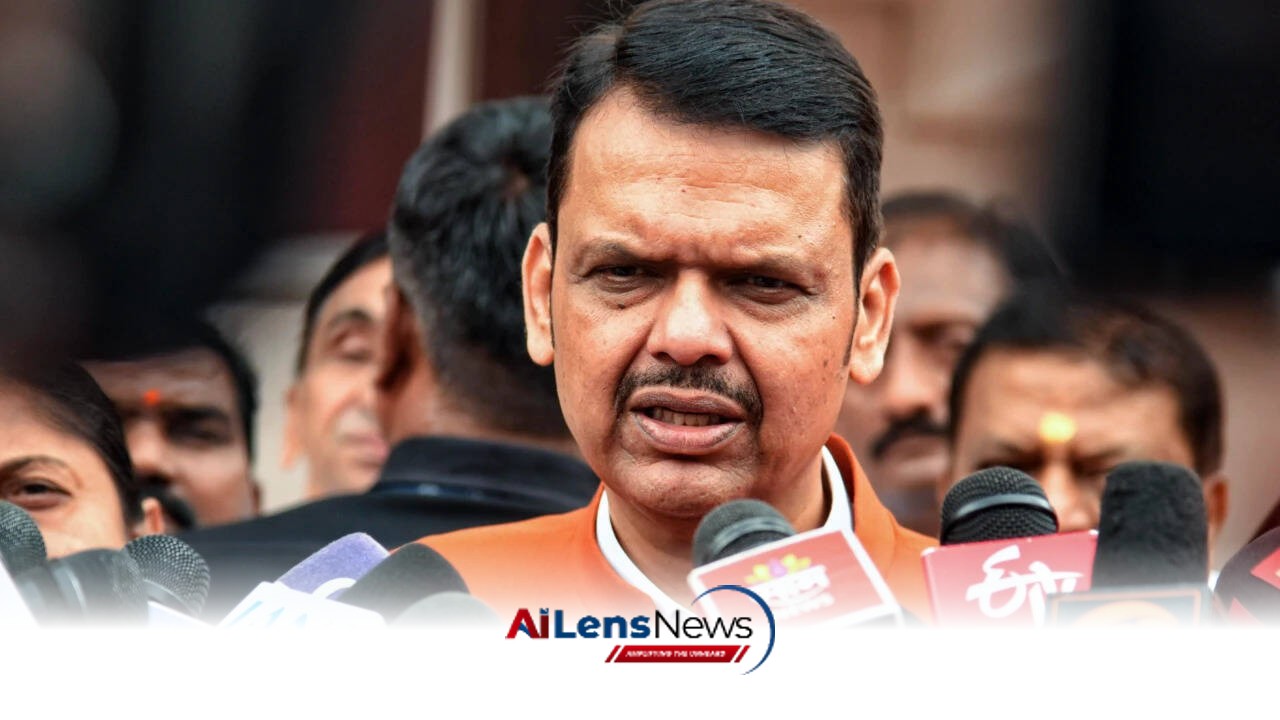



Solicitor General Tushar Mehta has urged Chief Justice Surya Kant to examine the Appellate Tribunal for Electricity's operations after Maharashtra CM Devendra Fadnavis raised concerns about bias.
New Delhi, India Aug 22, 2026 ALN: In a significant development, Solicitor General Tushar Mehta has formally requested Chief Justice Surya Kant to investigate the functioning of the Appellate Tribunal for Electricity (APTEL). This request comes on the heels of Maharashtra Chief Minister Devendra Fadnavis's recent letter to Prime Minister Narendra Modi, in which he expressed concerns regarding a perceived bias in favor of private power developers.
Devendra Fadnavis, in his communication to the Prime Minister, highlighted issues surrounding the tribunal's decisions that he believes disproportionately favor private entities over public interests. The APTEL was established to hear appeals against the orders of the Central Electricity Regulatory Commission (CERC) and the State Electricity Regulatory Commissions (SERCs). Its role is critical in ensuring that disputes in the electricity sector are resolved fairly and justly. However, Fadnavis's concerns suggest that the tribunal's current operations may not be aligned with these principles, raising alarm among various stakeholders in the energy sector.
Fadnavis's letter points to specific instances where decisions made by APTEL have seemingly favored private power developers, potentially at the expense of state-run entities and public welfare. This has led to accusations that the tribunal may be operating under a bias that prioritizes profit-driven motives over equitable access to energy resources. Such claims are particularly sensitive in a state like Maharashtra, where energy demands are high and the balance between public service and private enterprise is a critical concern.
In his appeal, Solicitor General Mehta emphasized the importance of maintaining transparency and fairness in the tribunal's proceedings. He argued that any bias in the tribunal's functioning could undermine public trust in the regulatory framework governing the energy sector. The Solicitor General's request for a review signifies a serious concern from the government regarding the integrity of the tribunal's operations. It highlights the necessity for regulatory bodies to operate without favoritism and to be accountable to the public they serve.
Moreover, the Solicitor General's call for an investigation into APTEL's functioning aligns with broader discussions about regulatory reforms in . The energy sector is undergoing significant changes, with increasing participation from private players and a push towards renewable energy sources. In this context, ensuring that regulatory bodies like APTEL operate impartially is essential for maintaining a balanced marketplace that can support both public and private interests.
The concerns raised by Fadnavis and echoed by Mehta could have far-reaching implications for the energy landscape in Maharashtra and beyond. If the tribunal is found to be operating with bias, it may necessitate reforms aimed at ensuring equitable treatment for all stakeholders, including public sector entities. Such reforms could involve revising the tribunal's operational guidelines, enhancing oversight mechanisms, or even restructuring its composition to include a more diverse range of perspectives.
Additionally, the outcome of this investigation could set a precedent for how other regulatory bodies operate in . It could lead to a broader reassessment of how regulatory frameworks are designed to balance the interests of private companies with those of public welfare. Stakeholders in the energy sector, including consumers, government entities, and private developers, are keenly observing the developments, as the implications could affect energy pricing, availability, and investment decisions across the state.
As the Chief Justice considers the Solicitor General's request, the energy sector will be closely monitoring the situation. Stakeholders are hopeful that a thorough review will lead to necessary changes that promote fairness and accountability within the tribunal. The process may involve hearings, consultations with industry experts, and gathering input from affected parties to ensure a comprehensive understanding of the issues at hand.
Furthermore, this situation could spur a larger debate about the role of regulatory bodies in , particularly in sectors that are crucial to the economy and public welfare. The outcomes may encourage other states to evaluate their own regulatory frameworks and ensure that they are not similarly vulnerable to biases or mismanagement.
In conclusion, the ongoing dialogue between state leadership and judicial authorities underscores the critical need for integrity in regulatory bodies, especially in sectors as vital as energy. The resolution of this issue could pave the way for a more balanced approach to energy regulation in , fostering an environment where both public and private interests can thrive without compromising the principles of fairness and accountability.
To learn more about the latest developments in Political Controversies, stay updated with our exclusive reports and analyses on AILensNews.

