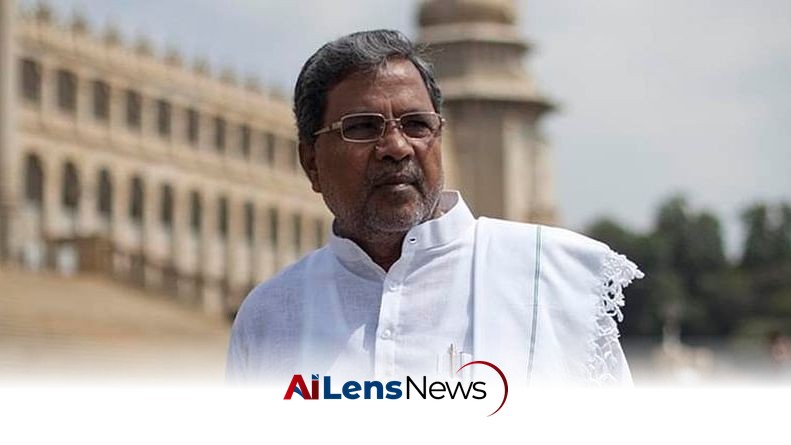


Former Karnataka Chief Minister Siddaramaiah has announced he will not run in the 2028 Assembly elections, citing age, health issues, and rising political corruption.
New Delhi, India Jul 26, 2026 ALN: Former Karnataka Chief Minister Siddaramaiah made headlines on Saturday when he announced his decision not to contest the 2028 Karnataka Assembly elections. This announcement is significant not only because of his stature in Karnataka politics but also due to the implications it holds for the Congress party and the political landscape of the state. Siddaramaiah cited several reasons for his decision, including his advancing age, health concerns, and the troubling rise of corruption in politics.
At a private gathering in Mandya district's K R Pet, Siddaramaiah, who has been a prominent figure in Karnataka politics for decades, expressed his disillusionment with the current state of political affairs. He stated, "The political field has become corrupted today. Therefore, I have decided not to contest the 2028 Assembly elections. However, I will continue to remain active in politics and stand with the people, raising my voice for their hardships and happiness." This statement encapsulates his commitment to public service despite stepping back from electoral politics.
Siddaramaiah's decision not to seek another electoral mandate is particularly poignant given his long and storied political career, which began in 1978 when he was elected as a member of the taluk board. By 2028, he will have spent nearly five decades in public service. Throughout his career, he has experienced a mix of victories and defeats, but he has consistently emphasized that he has never compromised on his principles or acted against his conscience. This steadfastness has earned him respect among his supporters and peers alike.
His announcement comes at a time when the political climate in Karnataka, and India as a whole, is increasingly influenced by factors such as money and corruption. Siddaramaiah pointed out that the expectation for candidates to pay voters rather than earn their support through genuine public service is a troubling trend that undermines the democratic process. This observation resonates with many who share concerns about the integrity of elections and the erosion of public trust in political institutions.
At 79 years old, Siddaramaiah acknowledged that age and health considerations played a critical role in his decision. By the time the next Assembly elections roll around, he will be around 82 years old, and he expressed doubt about his ability to engage in the rigorous demands of campaigning and governance with the same vigor he once had. This candid admission reflects a broader issue within Indian politics, where the aging leadership often faces questions about their capacity to effectively represent younger constituents and address contemporary challenges.
Interestingly, despite his decision to step back from contesting elections, Siddaramaiah indicated that he would remain active in public discourse and continue to advocate for the issues affecting the people of Karnataka. His commitment to public life suggests that he may play a vital role in shaping the political narrative and influencing the next generation of leaders within the Congress party.
His announcement also follows a significant transition within the Karnataka Congress party, as he recently stepped down from the chief ministerial position, handing over the reins to D K Shivakumar. This leadership transition is emblematic of the party's efforts to rejuvenate its image and connect with a broader electorate, particularly in the wake of changing political dynamics in the state. Siddaramaiah's departure from the electoral scene may open up opportunities for new leaders to emerge and take on more prominent roles within the party.
As Karnataka gears up for the 2028 elections, Siddaramaiah's absence will be felt, particularly in his Varuna Assembly constituency, where he has been a significant figure. He mentioned that despite repeated appeals from constituents to contest again, he has made a firm decision to retire from electoral politics. This decision may lead to a search for a suitable candidate to fill the void he will leave behind, which will be crucial for the Congress party's strategy moving forward.
In the broader context, Siddaramaiah's announcement raises questions about the future of political leadership in Karnataka, especially as the state faces numerous challenges, including economic development, social inequality, and the need for effective governance. The Congress party, under new leadership, will need to navigate these challenges while also addressing the concerns raised by Siddaramaiah regarding corruption and the influence of money in politics.
Moreover, Siddaramaiah's legacy as a leader who championed social justice and welfare programs will likely continue to influence political discourse in Karnataka. His tenure as chief minister from 2013 to 2018 was marked by initiatives aimed at uplifting marginalized communities and addressing issues such as poverty and education. As he steps back from electoral politics, the question remains whether the Congress party can maintain the momentum of these initiatives and continue to advocate for the values Siddaramaiah has long espoused.
The implications of Siddaramaiah's decision extend beyond his personal journey; they reflect a broader trend within Indian politics where seasoned leaders are stepping aside, making way for a younger generation. This transition is critical as the country grapples with evolving socio-economic challenges and the need for innovative governance strategies. The Congress party, in particular, will face the challenge of maintaining its relevance and appeal among younger voters who may be looking for fresh perspectives and approaches to longstanding issues.
Furthermore, Siddaramaiah's comments on corruption highlight a significant concern that resonates across various political parties in India. The growing perception of corruption can lead to voter apathy and disillusionment with the political process. As a veteran politician who has witnessed the changing dynamics of electoral politics, his insights serve as a cautionary tale for aspiring politicians about the importance of integrity and public trust.
In conclusion, Siddaramaiah's decision not to contest the 2028 Karnataka Assembly elections marks the end of an era in Karnataka politics. His reflections on corruption, health, and the changing political landscape provide valuable insights into the challenges facing the state and the need for a new generation of leaders. As he remains committed to public life, his voice will undoubtedly continue to resonate within the political sphere, influencing both current and future leaders in their pursuit of a more equitable and just society.
To learn more about the latest developments in Elections, stay updated with our exclusive reports and analyses on AiLensNews.

